
Are you an adventurer at heart, seeking to unearth the stunning remnants of ancient civilizations? The Mediterranean is a treasure trove of historic Roman cities just waiting to be explored! From grand amphitheaters to intricate mosaics, the relics of Roman ingenuity are spread across breathtaking landscapes.
This guide will take you through the top five ancient Roman ruin exploration cities in the Mediterranean. These incredible locations combine rich history with striking beauty, making them a must-visit on your next adventure!
1. Rome, Italy – Best For Iconic Landmarks
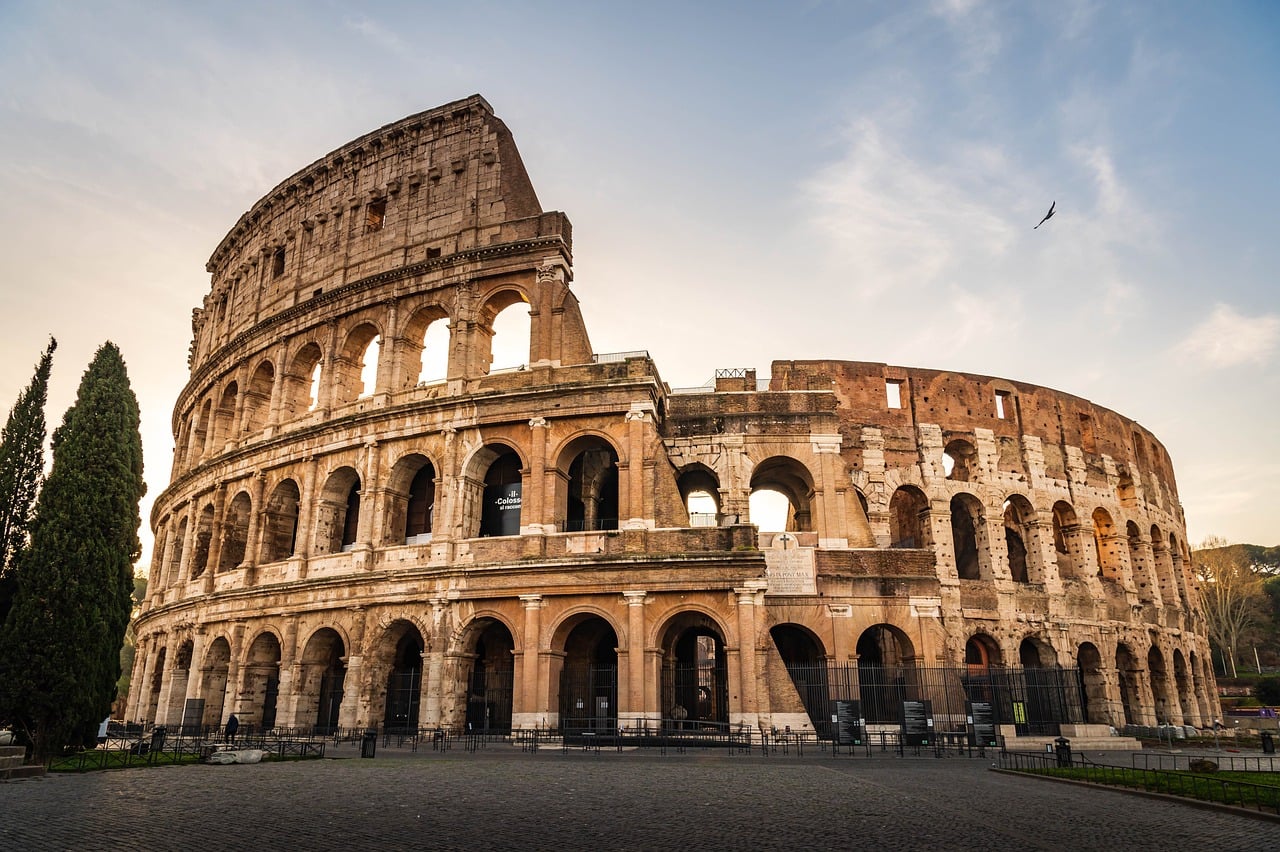
Rome, the heart of the Roman Empire, boasts some of the most famous ruins in the world. From the Colosseum to the Roman Forum, you can walk where emperors once tread. The blend of art, architecture, and history makes it an unsurpassed destination.
Key Features:
- Home to the Colosseum, a symbol of ancient Roman engineering.
- Visiting the Roman Forum provides deep insight into public life.
- Stunning architectural marvels such as the Pantheon.
Pros:
- Rich in historical context and culture.
- Variety of attractions within walking distance.
- Culinary delights and modern amenities nearby.
Cons:
- Can be crowded, especially during peak tourist seasons.
- Parking and traffic can be difficult.
- Entry fees for major attractions can add up.
2. Pompeii, Italy – Best For Preserved Ancient Life
Buried under volcanic ash for centuries, Pompeii is one of the best-preserved ancient cities. Explore streets, homes, and public spaces that offer a unique glimpse into Roman life before the eruption of Mount Vesuvius.
Key Features:
- Stunning frescoes and mosaics that showcase the art of the period.
- A well-planned city layout that reveals Roman urban planning.
- Fascinating ruins of baths, theaters, and temples.
Pros:
- A unique opportunity to see daily life in ancient Rome.
- Guided tours available for a more enriching experience.
- Surrounding landscapes are stunning and scenic.
Cons:
- Limited shade; can be hot during summer visits.
- Large tourist crowds can make it overwhelming.
- Wear comfortable footwear as there is much walking involved.
3. Ephesus, Turkey – Best For Architectural Wonders
Ephesus is famous for its gigantic structures and well-preserved theater. This city is a testament to Roman architecture and remains a pivotal archaeological site in Turkey, providing a sense of grandeur from the ancient world.
Key Features:
- The Library of Celsus – a stunning façade and one of the best-preserved ruins.
- The Great Theatre where performances once entertained thousands.
- Streets lined with ancient columns that showcase Roman urban life.
Pros:
- Accessible and often less crowded than other major sites.
- High-quality restoration allows for great photo opportunities.
- Nearby attractions include the House of the Virgin Mary.
Cons:
- Summer heat can be intense; early morning visits recommended.
- Some areas may have limited accessibility.
- Food options nearby can be limited or tourist-focused.
4. Split, Croatia – Best For Coastal Vibes
Split’s Diocletian’s Palace is a UNESCO World Heritage Site and showcases the adaptation of Roman architecture in a vibrant, modern city. Enjoy breathtaking coastal views as you walk through history.
Key Features:
- Diocletian’s Palace remains a living part of the city.
- Blend of ancient ruins and modern shops/cafés.
- A beautiful waterfront that enhances the cultural experience.
Pros:
- Idyllic coastal setting for a vacation feel.
- Excellent local cuisine available on-site.
- Rich blend of history and vibrant contemporary culture.
Cons:
- Can be busy during the tourist season.
- Some areas may have steep steps and uneven surfaces.
- Parking can be limited in the city center.
5. Carthage, Tunisia – Best For Unique Historical Perspective
Once a rival to Rome, Carthage offers a unique look at ancient Roman and Punic history. The site boasts impressive ruins, such as the Antonine Baths, showcasing the grandeur of the ancient empire.
Key Features:
- The Antonine Baths – one of the largest Roman baths built in the empire.
- Stunning views over the Mediterranean from the hilltop ruins.
- A mix of Roman and prehistoric influences at the archaeological site.
Pros:
- Less touristy, allowing for a peaceful exploration.
- Varied landscapes and fascinating history.
- Close proximity to the vibrant city of Tunis.
Cons:
- Some ruins may be less well-preserved than other sites.
- Information in English can be limited at some areas.
- Transportation to the site can be challenging without a guide.
How to Choose the Best Ancient Roman Ruin Exploration City
When planning your visit, consider what type of experience you desire. Do you prefer a bustling city like Rome, or a more serene location like Carthage? Think about your interests—architecture, history, or culinary experiences—and choose a city that aligns with those passions. Additionally, consider the season and travel logistics to enhance your adventure!
#AncientRome #CulturalTravel #MediterraneanExploration #HistoryLovers #TravelEurope #RomanRuins #ArchaeologicalSite