
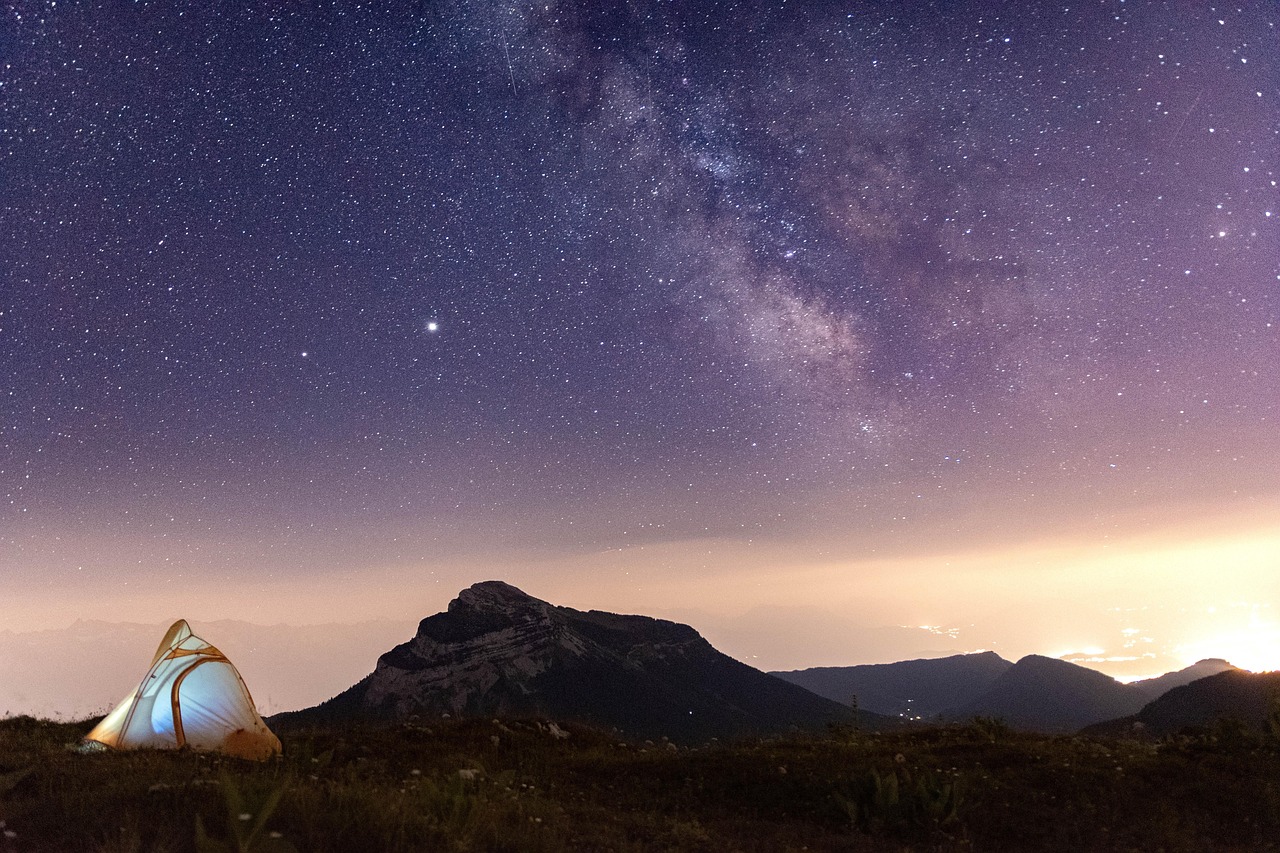
If you’re an astrophotography enthusiast looking for the perfect camping spots to capture the stunning beauty of the Milky Way, you’re in for a treat! This list highlights the best locations where you can pitch a tent, gaze up at the stars, and click breathtaking photos of our galaxy.
From national parks to remote wilderness areas, these destinations combine dark skies, stunning landscapes, and great camping facilities, making them ideal for both novice and experienced photographers. Let’s dive into the best places for your next nighttime adventure!
1. Joshua Tree National Park – Best For Stargazing Clarity
With its striking rock formations and clear desert skies, Joshua Tree is an astrophotographer’s paradise. The park is known for its minimal light pollution, making it one of the top spots for observing the Milky Way.
Key Features:
- High elevation and dry climate for clear skies
- Diverse landscapes for unique foregrounds in photos
- A variety of campgrounds with different amenities
Pros:
- Stunning rock formations for photographs
- Accessible and well-maintained campgrounds
- Rich in flora and fauna
Cons:
- Can be crowded during peak seasons
- Extreme temperatures in summer and winter
- Limited services inside the park
2. Big Bend National Park – Best For Remote Darkness
This picturesque national park in Texas boasts some of the darkest skies in the continental United States, making it perfect for astrophotography.
Key Features:
- Minimal light pollution
- Stunning desert landscapes with mountains and rivers
- Multiple campgrounds with great accessibility
Pros:
- Excellent visibility of stars and the Milky Way
- Variety of scenic viewpoints
- Less crowded compared to other parks
Cons:
- Remote location; long drive required
- Hot summers; camping may be uncomfortable
- Limited amenities in the park
3. Acadia National Park – Best For Coastal Views
Acadia offers a unique combination of mountainous terrain and ocean vistas. Campers can enjoy stargazing over the Atlantic, making it a one-of-a-kind experience for astrophotographers.
Key Features:
- Stunning views from Cadillac Mountain
- Less light pollution compared to cities
- Multiple campgrounds within the park
Pros:
- Beautiful sunrises and sunsets
- Accessible hiking trails and lookouts
- Diverse wildlife and nature experiences
Cons:
- Can be crowded during peak seasons
- Limited nighttime activities due to park regulations
- Weather can be unpredictable
4. Death Valley National Park – Best For Unmatched Night Sky
As one of the hottest places on Earth, Death Valley also boasts some of the darkest skies in North America, making it an incredible location for Milky Way photography.
Key Features:
- Lower elevation with expansive night skies
- Unique landscapes including salt flats and sand dunes
- Well-separated campgrounds for privacy
Pros:
- Unsurpassed visibility of celestial objects
- Striking contrast in landscape photos
- Variety of camping options
Cons:
- Extreme temperatures can be a challenge
- Limited water sources
- Some areas are remote
5. Glacier National Park – Best For Mountain Scenery
Known for its breathtaking mountain landscapes, Glacier National Park provides a dramatic backdrop for your Milky Way shots, making it an ideal camping destination.
Key Features:
- High elevation provides clear visibility
- Stunning mountain ranges and alpine lakes
- Numerous campgrounds with great views
Pros:
- Amazing natural scenery for photography
- Variety of photography opportunities
- Well-maintained trails leading to prime spots
Cons:
- Summer crowds can be overwhelming
- Weather can change rapidly
- Some campgrounds require reservations
6. Olympic National Park – Best For Diverse Ecosystems
This park offers a stunning variety of ecosystems, from mountains to rainforests, providing diverse backdrops for your nightly captures of the Milky Way.
Key Features:
- Dark skies with minimal light pollution
- Varied landscapes for unique photos
- Accessible campgrounds throughout the park
Pros:
- Rich biodiversity and stunning vistas
- Unique opportunities for wildlife photography
- Great hiking trails
Cons:
- Can be rainy and cloudy
- Accessibility can vary by season
- Limited cell service
7. Grand Teton National Park – Best For Dynamic Landscapes
With its rugged peaks and perfect alpine lakes, Grand Teton is a stellar spot for capturing the Milky Way reflected in the waters below.
Key Features:
- Stunning mountain ranges and clear lakes
- Well-maintained campgrounds
- Diverse photographer-friendly landscapes
Pros:
- Incredible backdrop for Milky Way photography
- Various spots to set up and shoot
- Excellent hiking opportunities during the day
Cons:
- High visitation rates during the summer
- Weather can be unpredictable
- Higher elevation may be challenging for some
8. Great Basin National Park – Best For Seclusion
Great Basin offers a serene atmosphere with minimal light pollution, ideal for astrophotography enthusiasts who prefer solitude while camping under the stars.
Key Features:
- One of the darkest locations in the USA
- Unique geological formations like spruces and ancient bristlecones
- Multiple campgrounds for varied experiences
Pros:
- Amazing clarity of stars and Milky Way
- Less crowded than popular parks
- Great hiking trails for daytime exploring
Cons:
- Remote location; long drive necessary
- Higher elevations may impact accessibility
- Limited facilities
9. Shenandoah National Park – Best For East Coast Photographers
This beautiful park in Virginia is not only known for its stunning views but also provides excellent opportunities for capturing the Milky Way.
Key Features:
- Easy access to vistas and overlooks
- Scenic Skyline Drive offers great photography spots
- Diverse wildlife and beautiful foliage
Pros:
- Beautiful natural landscapes
- Accessible campgrounds and facilities
- Less crowded than other national parks
Cons:
- Can experience light pollution from nearby cities
- Weather can be variable
- Camping permits may be needed
10. White Sands National Park – Best For Unique Backdrops
The unique white gypsum dunes of White Sands offer an ethereal setting for Milky Way photography, making it a standout location for photographers looking for something different.
Key Features:
- Stark, beautiful landscapes ideal for star photography
- Lightly traveled, providing dark skies
- Unique sand formations for interesting foregrounds
Pros:
- Incredibly unique scenery
- Accessible spots for photography
- Less light interference
Cons:
- Extreme temperatures in summer
- Limited resources within the park
- Can be challenging to navigate the sands
How to Choose the Best Camping Location for Astrophotography
When selecting a perfect campsite for astrophotography, consider factors like dark skies, accessibility, and unique landscapes. Research light pollution maps and look for locations known for minimal light interference. Additionally, evaluate campsite facilities, accessibility to hiking trails, and weather conditions to ensure an unforgettable experience capturing the beauty of the night sky.
#Astrophotography #MilkyWay #Camping #NightSkyPhotography #NatureLovers #Wilderness #ExploreTheOutdoors #Stargazing