
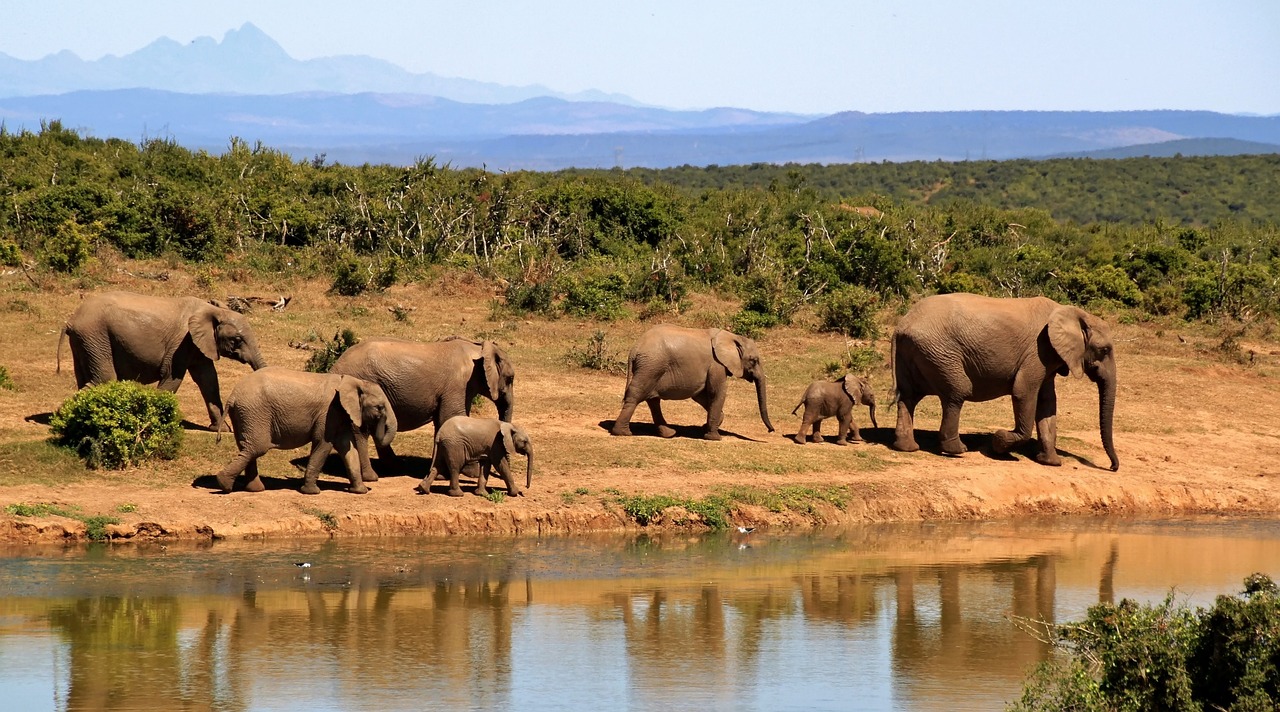
If you’re a photography enthusiast looking to capture the beauty of wildlife in action, then these safari reserves are your ideal destination. With breathtaking landscapes and abundant animals roaming freely, each location offers a unique experience that can elevate your wildlife photography skills. From thrilling predator chases to serene moments of nature, these reserves are perfect for any aspiring wildlife photographer.
In this list, you’ll discover the ten best safari reserves where you can capture mesmerizing wildlife action shots. Whether you’re a seasoned photographer or just starting, these stunning locations will exceed your expectations!
1. Maasai Mara National Reserve – Best for Iconic Wildlife Moments
Maasai Mara in Kenya is a dream for wildlife photographers, especially during the Great Migration. Here, you can witness breathtaking interactions between predators and prey in their natural habitat.
Key Features:
- Home of the Big Five: lions, leopards, elephants, buffalo, and rhinos.
- Stunning landscapes with rolling savannahs and acacia trees.
- Year-round wildlife sightings and access to local Maasai culture.
Pros:
- Excellent opportunities for action shots.
- Rich biodiversity and stunning scenery.
- Support local tribes through eco-tourism.
Cons:
- Can be crowded during peak tourist season.
- Expensive lodging options.
- Limited access during rainy seasons.
2. Serengeti National Park – Best for Dramatic Predator Action
The Serengeti in Tanzania is synonymous with wildlife photography, especially for its annual Great Migration, where millions of wildebeest and zebras traverse the plains, attracting ferocious predators.
Key Features:
- Endless plains perfect for spotting large herds.
- Acclaimed for its big cat population.
- Diverse ecosystems, from swamps to grasslands.
Pros:
- Unforgettable wildlife encounters.
- Enhanced photographic opportunities year-round.
- Educational ranger-guided tours available.
Cons:
- Long travel times between wildlife viewing spots.
- Higher risk of limited wildlife visibility in off-peak seasons.
- Must adhere to strict park regulations.
3. Kruger National Park – Best for Diverse Wildlife
Located in South Africa, Kruger National Park offers a plethora of wildlife photography opportunities, from birds to the Big Five. Its expansive area provides a rich diversity of animals to capture.
Key Features:
- Wide variety of wildlife species.
- Numerous self-driving routes and guided tours.
- Accessible year-round for photographers.
Pros:
- Affordability compared to other reserves.
- Multiple entry points and accommodations.
- Ability to explore at your own pace.
Cons:
- Potential for overexposure due to popular routes.
- Can be very hot during summer months.
- Heavy rains can affect road conditions.
4. Chobe National Park – Best for River Wildlife Shots
Situated in Botswana, Chobe National Park offers unique wildlife photography opportunities thanks to its Chobe River. Here, you’ll find elephants bathing and engaging in social behavior, perfect for capturing stunning images.
Key Features:
- Home to one of the largest elephant populations in Africa.
- Boat safaris offer different perspectives of wildlife.
- Excellent birdwatching opportunities alongside land animals.
Pros:
- Unique water-based photography options.
- Less crowded compared to other reserves.
- Beautiful sunsets near the river.
Cons:
- Limited predator sightings by the river.
- Poor accessibility during floods.
- Can be expensive for boat tours.
5. Amboseli National Park – Best for Mount Kilimanjaro Backdrops
Amboseli, with its stunning views of Mount Kilimanjaro, provides a unique opportunity to capture animals such as elephants and lions against a breathtaking landscape.
Key Features:
- Proximity to Mount Kilimanjaro sets a dramatic scene.
- Famous for its large elephant herds.
- Varied terrain and habitats enhance wildlife diversity.
Pros:
- Iconic mountain views add context to photos.
- Less dense crowds compared to other parks.
- Comfortable lodge’s proximity to wildlife.
Cons:
- Can be overcrowded during peak hours.
- Limited sunset/sunrise photography spots.
- Poor visibility during rainy seasons.
6. Etosha National Park – Best for Salt Pan Scenery
Unique for its vast salt pans, Etosha National Park in Namibia provides a stunning backdrop for wildlife photography. The park’s animals congregate around waterholes, making for spectacular action shots.
Key Features:
- Enormous saltwater pan visible from space.
- Abundant wildlife near waterholes.
- Diverse habitats from desert to woodland.
Pros:
- Incredible contrast between wildlife and landscape.
- Great lighting for photography at dawn and dusk.
- Self-drive options for personal exploration.
Cons:
- Can be challenging to navigate without a guide.
- Limited plant life in certain areas.
- Long distances between waterholes.
7. Yellowstone National Park – Best for Unique North American Wildlife
Though not an African safari, Yellowstone in the United States offers unique opportunities to capture North American wildlife in stunning natural settings, including wolves, bison, and bears.
Key Features:
- Home to diverse ecosystems and geological wonders.
- Seasonal photo opportunities, including wildlife births.
- Rich in geysers and hot springs for unique backdrops.
Pros:
- Different season brings varied wildlife activity.
- Close proximity to urban areas for easy access.
- Rich cultural history and nature experiences.
Cons:
- Heavy traffic and crowded viewing spots in summer.
- Long waits for prime wildlife viewing.
- Limited accessibility in winter months.
8. Kruger to Canyon Biosphere – Best for Diverse Landscapes
This UNESCO site in South Africa is perfect for capturing a mix of mountainous and flat landscapes teeming with wildlife. It’s an incredible location for versatile photography.
Key Features:
- Diverse habitats supporting a wide variety of species.
- Presence of both large mammals and unique bird species.
- Stunning views from the canyon offer diverse photo settings.
Pros:
- Less commercialized, providing an authentic experience.
- Guided tours enhance photography opportunities.
- Highly diverse habitats for varied photography.
Cons:
- Limited access in certain regions.
- Potential language barriers with local guides.
- Wildlife sightings may vary throughout the year.
9. Tarangire National Park – Best for Elephant Photography
Noted for its large herds of elephants and iconic baobab trees, Tarangire National Park in Tanzania offers stunning backdrops for captivating nature shots.
Key Features:
- Abundant elephant populations.
- Unique ecosystems including swamps and woodlands.
- Best visitation during the dry season enhances visibility.
Pros:
- Less crowded than nearby parks.
- Great for close-up elephant photography.
- Rich diversity of bird species.
Cons:
- Remote location requires extra travel planning.
- Limited luxury accommodations.
- Wildlife interactions can be limited outside dry season.
10. Kalahari Desert – Best for Unique Desert Wildlife
Known for its unique landscapes and adaptations of wildlife to arid conditions, the Kalahari Desert in Botswana presents stunning photographic opportunities for those willing to capture its beauty.
Key Features:
- Home to unique wildlife specially adapted to desert life.
- Breathtaking sunsets and landscapes provide stunning backgrounds.
- Inclusion of cultural insights from the San people.
Pros:
- Exceptional solitude for focused photography.
- Unique light and angles for photographic experimentation.
- Diverse animal sightings in a unique environment.
Cons:
- Hot temperatures can affect comfort during shoots.
- Wildlife can be further apart due to desert conditions.
- Limited access to modern amenities in remote areas.
How to Choose the Right Safari Reserve for Wildlife Photography
When selecting a safari reserve, consider the specific wildlife you hope to capture, the types of landscapes you wish to photograph, and the time of year. Understanding your photography goals will guide your decision, as some reserves are better for certain animals or seasonal events. Always research accommodations and tour options to ensure a rewarding photography adventure!
#WildlifePhotography #SafariReserves #ActionShots #NatureLovers #PhotographyTips #TravelPhotography #ExploreAfrica