
Unravel the secrets of ancient civilizations with the enigmatic megalithic stone circles that dot our planet. These archaeological wonders have puzzled researchers and adventurers alike for centuries, offering insight into early human life, astronomy, and ritual practices. The stories told by these stones are captivating, inviting you to explore their mysteries.
In this guide, we’ll unveil seven of the most intriguing megalithic stone circle sites around the world. Whether you’re a history buff, an archaeology enthusiast, or just curious about our planet’s past, these locations promise to ignite your imagination and satisfy your wanderlust.
1. Stonehenge – Best For Ancient Astronomy Insights
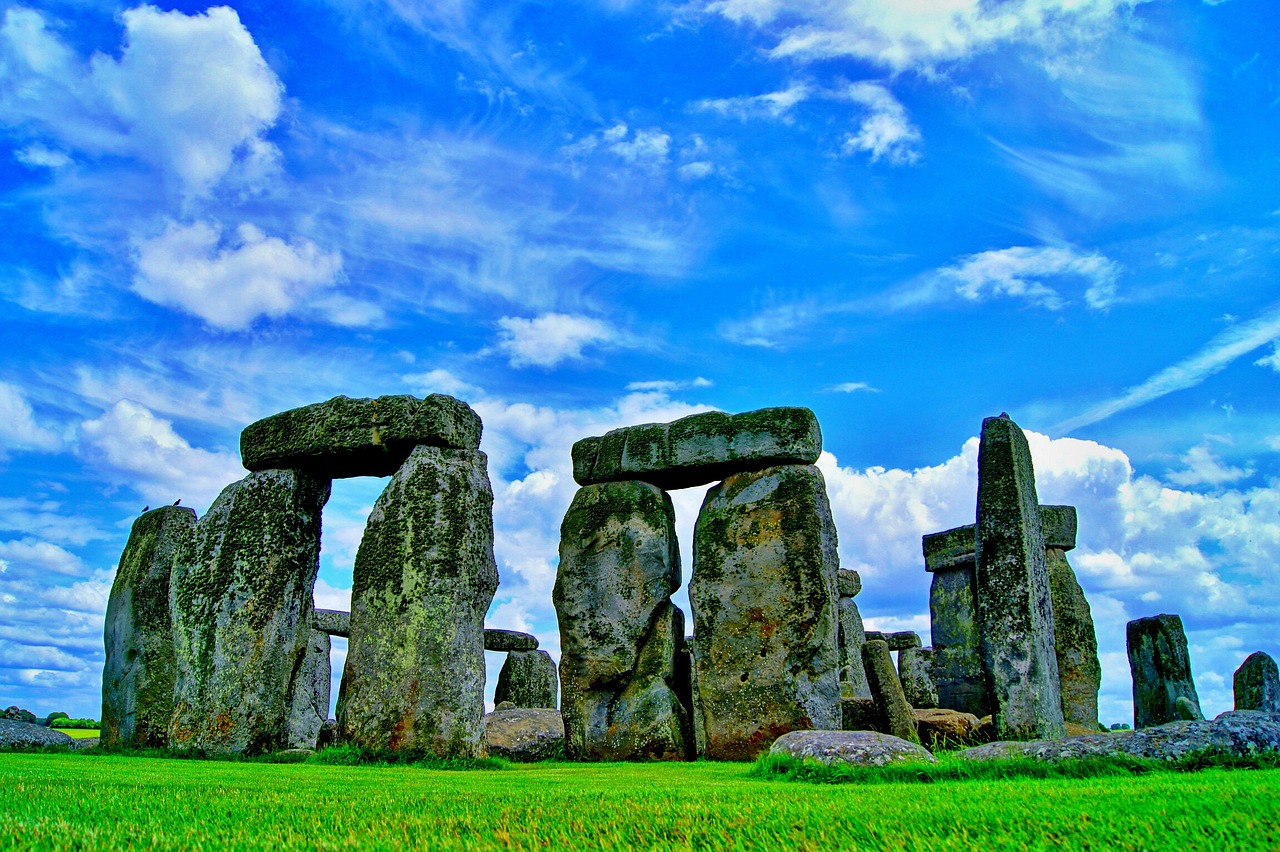
Perhaps the most famous stone circle in the world, Stonehenge in England aligns perfectly with the movements of the sun, suggesting it was a site for astronomical observation and ritual. Its construction dates back to around 3000 BC, making it a testament to prehistoric ingenuity.
Key Features:
- Constructed with massive sarsen stones and bluestones
- Alignment with the summer and winter solstices
- Rich in archaeological findings from surrounding burial mounds
Pros:
- Iconic status and easily accessible
- Rich historical context
- Controversial theories spark ongoing research
Cons:
- Involves large crowds, especially in summer
- Limited access to the stones themselves
- Snippets of history may feel commercialized
2. Avebury – Best For Exploring a Larger Complex
Avebury features the largest stone circle in Europe and offers a more immersive experience than Stonehenge. Visitors can walk among the stones and explore the vast landscape that includes additional monuments such as long barrows and henge earthworks.
Key Features:
- Encloses a village, making it unique
- Multiple stone circles with fascinating carvings
- Surrounding landscape filled with Neolithic sites
Pros:
- Less crowded than Stonehenge
- Allows for closer engagement with the stones
- Educational pathways to explore
Cons:
- Weather-dependent activities
- Area can become muddy
- Limited facilities nearby
3. Callanish Stones – Best For Scenic Island Views
Set against the stunning backdrop of the Isle of Lewis in the Outer Hebrides, the Callanish Stones are an impressive collection of upright stones arranged in a cross shape. Their location and layout align with lunar cycles, hinting at their role in ancient rituals.
Key Features:
- Set on a remote, picturesque landscape
- Comprises 13 stones oriented toward the moon
- Accompanied by other neolithic structures
Pros:
- Scenic beauty of the Hebrides
- Accessibility to other nearby ancient sites
- Serene atmosphere for reflection
Cons:
- Remote location may require travel logistics
- Weather can be unpredictable
- Limited amenities in the area
4. The Ring of Brodgar – Best For Rich Mythology
Located in Orkney, Scotland, the Ring of Brodgar is a massive henge that dates back to around 2500 BC. Surrounded by water and a landscape imbued with legends, this stone circle is immersed in Neolithic history and ancient folklore.
Key Features:
- Impressive size, with 60 original stones
- Part of a UNESCO World Heritage Site
- Rich mythology connected to ancient rituals
Pros:
- Enchanting landscape enhances the visit
- Less commercialized than other sites
- Abundant wildlife nearby
Cons:
- Can be difficult to reach via public transport
- Limited shelter from seasonal weather
- Some stones are eroding
5. Maeshowe – Best For Ancient Art
This Neolithic chambered cairn in Orkney is not a stone circle but is closely related to them through its ceremonial purpose. Known for its Viking graffiti and exceptional alignment with the winter solstice sun, Maeshowe offers high historical significance.
Key Features:
- Intricate passage and chamber structures
- Viking inscriptions dating back to the 12th century
- Illuminated by the setting sun during winter solstice
Pros:
- Unique combination of Neolithic and Viking history
- Fascinating archaeological discoveries
- Guided tours provide in-depth information
Cons:
- Small group sizes limit access
- Timed entry requirements
- Occasional crowding during peak season
6. Goseck Circle – Best For Early European Architecture
Believed to be the oldest known solar observatory in central Europe, the Goseck circle in Germany was constructed around 4900 BC. Its circular formation and gates align with the solstices, giving insight into early European architectural practices.
Key Features:
- Innovative design for solar observations
- Surrounded by a triangular earthwork
- Established during the early Neolithic period
Pros:
- Less visited, providing a quiet experience
- Reveals advanced understanding of astronomy
- Well-preserved archaeological site
Cons:
- Remote location may require transportation planning
- Limited visitor facilities
- Information boards only in German
7. Ales Stenar – Best For Coastal History
Located in Sweden, Ales Stenar is a megalithic site resembling a ship, with stones arranged in a 68-meter long formation. Positioned over the beautiful Baltic Sea, this site combines natural beauty with ancient maritime beliefs.
Key Features:
- Unique ship-like formation
- Possibly served as a grave marker or ceremonial site
- Stunning seaside views
Pros:
- Urban setting with good access
- Less crowded compared to other stone circles
- Historical significance related to Viking culture
Cons:
- Site somewhat affected by coastal erosion
- Limited commercial amenities nearby
- Weather can affect visibility
How to Choose Your Next Megalithic Adventure
When exploring megalithic stone circles, consider what experience you’re seeking. Are you captivated by ancient astronomy, mythology, or artistry? Your choice of destination should reflect those interests. Also, deliberate on how accessible the site is and what additional activities or attractions may enhance your visit. Each location has its own story and charm waiting to be uncovered.
#MegalithicSites #StoneCircles #AncientMysteries #ArchaeologyLovers #CulturalHeritage #HistoricalSites #TravelHistory