
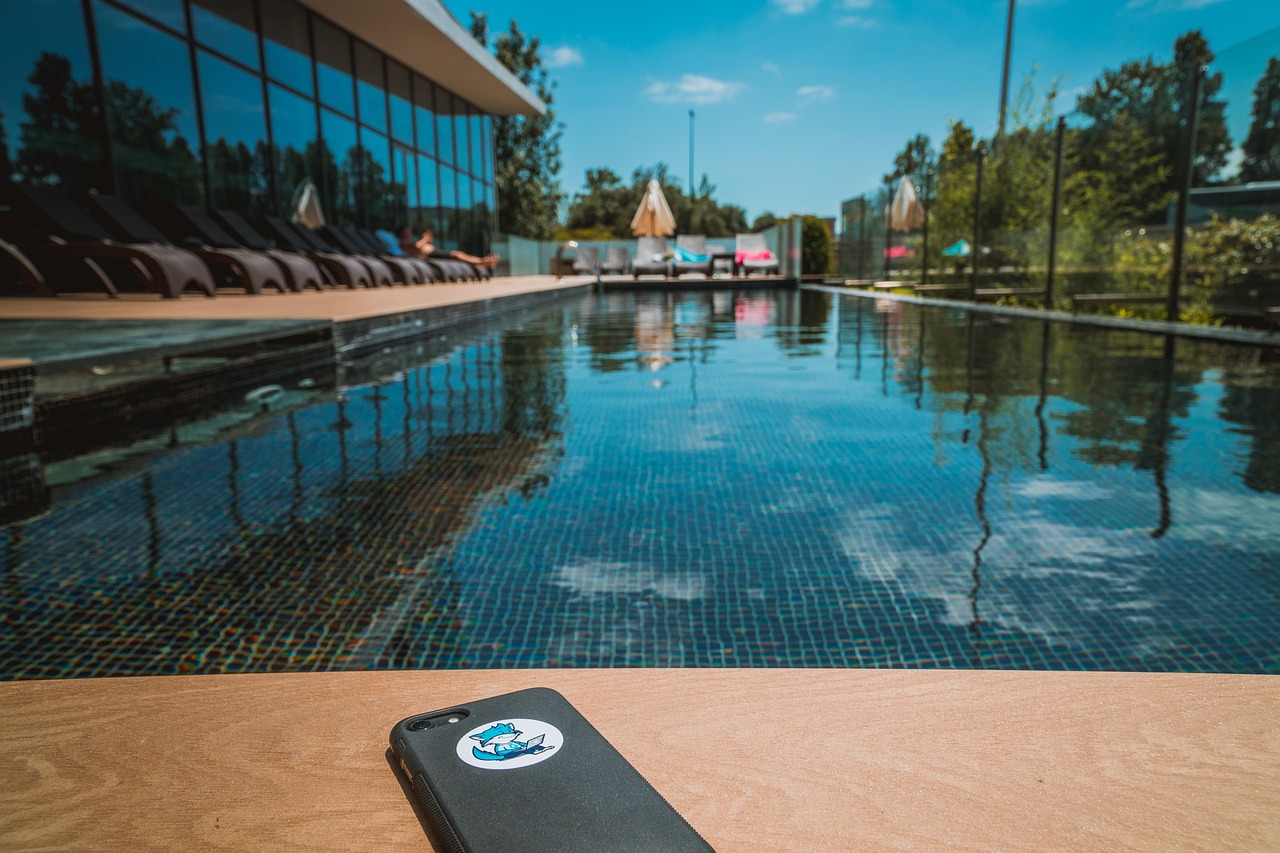
Feeling overwhelmed by constant notifications and endless scrolling? You’re not alone. In today’s digital age, it’s all too easy to lose track of time and forget how to enjoy real-life experiences. Implementing digital detox habits can help you regain control of your free time and improve your well-being.
This article explores ten actionable habits that can help you disconnect from your devices and reconnect with yourself and the world around you. Get ready to reclaim your time and live a more fulfilling life!
1. Scheduled Screen Breaks – Best for Reducing Eye Strain
Taking scheduled breaks from your screen can help alleviate eye strain and boost productivity. By setting a timer, you allow your mind and body to rest, keeping you fresh and engaged.
Key Features:
- Improves concentration.
- Enhances creativity.
- Reduces fatigue.
Pros:
- Simple to implement.
- Cuts down on overusage.
- Can be added to daily routines.
Cons:
- Requires discipline to stick to the schedule.
- May feel difficult at first.
2. App Limitations – Best for Managing Usage Time
Utilizing app limitations can help you control the amount of time spent on distracting apps. This method keeps you aware of your digital consumption throughout the day.
Key Features:
- Tracks daily app usage.
- Encourages mindful usage.
- Allows customization of limits.
Pros:
- Promotes self-regulation.
- Easy to set up.
- Encourages focus on important tasks.
Cons:
- May feel restrictive.
- Requires commitment to follow through.
3. Digital-Free Zones – Best for Increasing Social Interaction
Creating digital-free zones in your home, like the dining room or bedroom, fosters deeper relationships with family and friends. It encourages face-to-face conversations and connection.
Key Features:
- Enhances personal interactions.
- Facilitates better communication.
- Encourages mindfulness during meals.
Pros:
- Strengthens social bonds.
- Reduces distractions during important moments.
- Creates a calmer environment.
Cons:
- May require family buy-in.
- Can be challenging to enforce initially.
4. Mindful Mornings – Best for Starting Your Day Right
Incorporating mindful practices like meditation or journaling into your morning routine sets a positive tone for the day and reduces dependence on digital devices.
Key Features:
- Encourages self-reflection.
- Promotes mental clarity.
- Fosters gratitude.
Pros:
- Boosts overall mood.
- Enhances focus throughout the day.
- Creates a better work-life balance.
Cons:
- Requires time commitment.
- May be difficult for beginners.
5. Tech-Free Evenings – Best for Better Sleep Quality
Designating tech-free evenings allows you to wind down and prepare for quality sleep. Studies have shown that reducing screen time before bed can significantly improve sleep quality.
Key Features:
- Enhances sleep hygiene.
- Promotes relaxation.
- Encourages healthier nighttime routines.
Pros:
- Improves overall well-being.
- Creates space for hobbies.
- Allows for enhanced family time.
Cons:
- Requires adjustment period.
- May miss out on social media interactions.
6. Device-Free Hobbies – Best for Rediscovering Passions
Engaging in hobbies that don’t involve screens—like painting, gardening, or reading—allows you to rediscover passions and enjoy downtime without digital noise.
Key Features:
- Enhances creativity.
- Reduces stress levels.
- Increases satisfaction in free time.
Pros:
- Stimulates the mind.
- Encourages physical activity.
- Fosters a sense of accomplishment.
Cons:
- May require initial investment.
- Can feel daunting to start something new.
7. Social Media Detox – Best for Mental Clarity
Taking a break from social media not only frees up time but also improves mental clarity and emotional well-being. A few days offline can work wonders!
Key Features:
- Reduces anxiety.
- Provides mental space.
- Enhances focus on real-life connections.
Pros:
- Improved mood.
- Encourages self-discovery.
- Greater appreciation for offline interactions.
Cons:
- May feel disconnected from friends.
- Initial withdrawal can be tough.
8. Mindful Consumption – Best for Quality Over Quantity
Focusing on the quality of content you consume rather than quantity leads to a more fulfilling digital experience. Curate your feed to include positive, inspiring influences.
Key Features:
- Improves mood and perspective.
- Encourages thoughtful engagement.
- Reduces exposure to negativity.
Pros:
- Promotes mental well-being.
- Encourages critical thinking.
- Creates a more enjoyable online experience.
Cons:
- Requires conscious effort to avoid distractions.
- Can feel overwhelming to curate at first.
9. Digital Minimalism – Best for Simplifying Your Life
Adopting a digital minimalist approach helps declutter your digital space. If it doesn’t serve a clear purpose, consider letting it go!
Key Features:
- Reduces digital clutter.
- Enhances focus.
- Promotes intentional living.
Pros:
- Simplifies your digital life.
- Freeing up mental space.
- Encourages intentionality.
Cons:
- May involve emotionally difficult decisions.
- Requires consistent upkeep.
10. Technology Timeouts – Best for Overall Well-being
Implementing technology timeouts allows you to step back from devices completely for a set period each week. This not only benefits your mental health but also nurtures relationships.
Key Features:
- Allows for physical and mental relaxation.
- Enhances creativity and inspiration.
- Strengthens in-person connections.
Pros:
- Boosts mental health.
- Reduces burnout.
- Encourages exploration of the world around you.
Cons:
- May require adjustments in daily schedules.
- Can be difficult to stick to initially.
How to Choose the Right Digital Detox Habit for You
When selecting a digital detox habit, consider your personal lifestyle and challenges. Start with small changes that are most manageable for you, like scheduling screen breaks or incorporating mindful mornings. Gradually build on these habits to create a routine that helps you reclaim your free time effectively.
#DigitalDetox #MindfulLiving #ScreenTime #SelfCare #WellnessJourney #MentalHealthMatters #LimitScreenTime #ProductivityHacks