
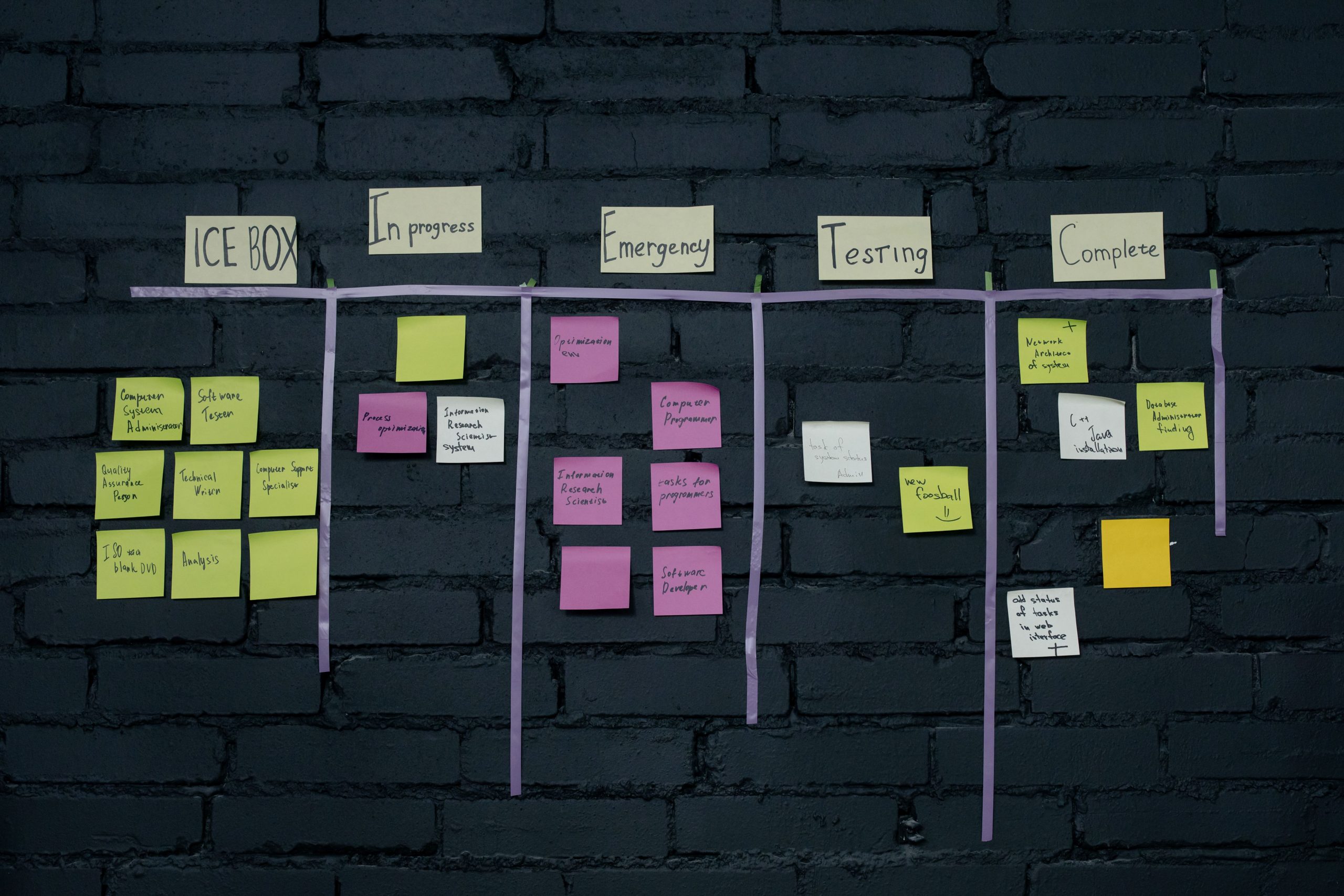
Agile sprint planning is crucial for product teams aiming to deliver high-quality products efficiently. Selecting the right framework can streamline your workflow, enhance collaboration, and ultimately boost the success of your product. If you’re overwhelmed with options, don’t worry! Here’s a curated list of the best agile sprint planning frameworks that will elevate your team’s productivity.
Whether you’re a seasoned product manager or just starting with Agile practices, these frameworks will provide the structure and flexibility your team needs to excel. Let’s dive into the best options available!
1. Scrum – Best For Structured Sprint Cycles
Scrum is one of the most popular frameworks for agile practices. It promotes iterative progress through well-defined roles and responsibilities, making it ideal for teams that thrive in structured environments.
Key Features:
- Clear roles: Product Owner, Scrum Master, Development Team
- Time-boxed sprints: Typically 2-4 weeks
- Daily stand-ups for quick status updates
Pros:
- Increases team accountability
- Best for projects with shifting requirements
- Encourages continuous improvement
Cons:
- Requires full team commitment
- Can become too regimented for creative teams
- May require training to implement effectively
2. Kanban – Best For Flexibility and Flow
Kanban focuses on visualizing work and optimizing flow. This framework is perfect for teams that require flexibility since it allows for continuous delivery without fixed sprints.
Key Features:
- Visual workflow management with boards
- Continuous delivery model
- Work-in-progress limits
Pros:
- Highly adaptable to changing priorities
- Encourages team collaboration
- Easy to implement in existing workflows
Cons:
- Can lack formal structure
- May lead to tasks ballooning without deadlines
- Requires discipline to manage effectively
3. Lean – Best For Eliminating Waste
The Lean framework is all about efficiency, aiming to minimize waste while maximizing customer value. It’s ideal for teams that want to streamline their processes and deliver faster.
Key Features:
- Focus on value stream mapping
- Emphasizes continuous improvement
- Encourages fast feedback cycles
Pros:
- Increases efficiency and productivity
- Promotes a culture of innovation
- Helps identify and remove unproductive tasks
Cons:
- Can be challenging to implement in larger teams
- Requires a cultural shift in mindset
- Risk of overemphasis on efficiency at the expense of quality
4. XP (Extreme Programming) – Best For High-Quality Software
Extreme Programming (XP) is tailored for software development, emphasizing customer satisfaction and high-quality delivery through technical excellence. Perfect for teams looking for rigorous programming practices.
Key Features:
- Frequent releases in short development cycles
- Emphasis on test-driven development
- Close collaboration with stakeholders
Pros:
- Increases code quality through peer reviews
- Provides continuous feedback from customers
- Encourages team discipline
Cons:
- Requires a high degree of commitment
- Can overwhelm non-technical stakeholders
- May lead to burnout without proper breaks
5. Crystal – Best For Team-Specific Customization
The Crystal framework acknowledges that every team operates differently. It promotes tailored approaches based on unique team requirements, making it ideal for varied project dynamics.
Key Features:
- Focuses on people and interactions
- Customizable processes based on team size
- Regular reflection and adaptation
Pros:
- Highly adaptable to team needs
- Encourages open communication
- Promotes a human-centered approach
Cons:
- May lack structure for some teams
- Requires strong commitment and feedback
- Not as widely recognized as other frameworks
6. Feature-Driven Development (FDD) – Best For Large Teams
Feature-Driven Development is optimal for larger teams focused on delivering tangible, client-valued features efficiently. It maintains a clear focus and structure while promoting regular progress tracking.
Key Features:
- Feature-centric project management
- Regular builds every two weeks
- Focus on client engagement
Pros:
- Clear goals and deliverables
- Helps with large project management
- Intensive client involvement ensures stakeholder satisfaction
Cons:
- Potentially limited for small teams
- Requires extensive planning upfront
- Can become bureaucratic
7. DSDM (Dynamic Systems Development Method) – Best For Time-Boxing
DSDM is a robust agile framework that focuses on ensuring projects are delivered on time and within budget. It’s perfect for teams looking to squeeze the most value from their time-boxed sprints.
Key Features:
- Time and budget constraints in mind
- Extensive user involvement
- Iterative approach with regular reviews
Pros:
- Ensures on-time delivery
- Prioritizes functionality
- Encourages extensive collaboration
Cons:
- Can be complex for new teams
- Requires time to become proficient
- May lead to pressure on delivery timelines
8. SAFe (Scaled Agile Framework) – Best For Large Organizations
SAFe is designed for enterprises looking to implement agile practices across multiple teams. It helps streamline coordination and fosters alignment on larger projects.
Key Features:
- Scalable framework for large projects
- Emphasizes alignment between teams
- Includes roles, responsibilities, and practices
Pros:
- Facilitates cross-team collaboration
- Suitable for large organizations
- Provides clear guidance and consistency
Cons:
- Can be overwhelming to implement
- Requires training for effective application
- May lead to a loss of agility in smaller teams
9. Scrumban – Best For Teams in Transition
Scrumban is a hybrid framework combining elements of Scrum and Kanban, making it ideal for teams transitioning from Scrum to Kanban or vice versa. It offers flexibility while maintaining structure.
Key Features:
- Visual task management with Kanban boards
- Ability to plan sprints or work continuously
- Focuses on workflow optimization
Pros:
- Adapts to changing project needs
- Promotes a balance of planning and flow
- Easy to implement for teams familiar with either method
Cons:
- Can blur the lines between Scrum and Kanban
- May require discipline to avoid chaos
- Less established guidance compared to standalone frameworks
10. Agile Unified Process (AUP) – Best For Software Development
The Agile Unified Process is a framework tailored for software development that incorporates Agile principles while using iterative and incremental development methods.
Key Features:
- Combines Agile with Unified Process elements
- Focuses on architecture and design
- Iterative approach to development
Pros:
- Provides a structured yet flexible approach
- Integrates well with traditional methodologies
- Encourages thorough documentation without overwhelming
Cons:
- May be complex for non-technical teams
- Requires tactical planning
- Can be cumbersome if not managed properly
How to Choose the Right Agile Sprint Planning Framework
Choosing the right agile sprint planning framework largely depends on your team size, project requirements, and workflow preferences. Consider the nature of your projects, the level of collaboration needed, and how flexible you want your processes to be. Start by identifying your core challenges, such as inefficiencies, lack of structure, or unclear roles, and match these with a framework that addresses those pain points. Remember, the goal is to find a system that enhances your team’s productivity without overwhelming them.
#Agile #SprintPlanning #Scrum #Kanban #ProductTeams #SoftwareDevelopment #ProductManagement #AgileFrameworks