
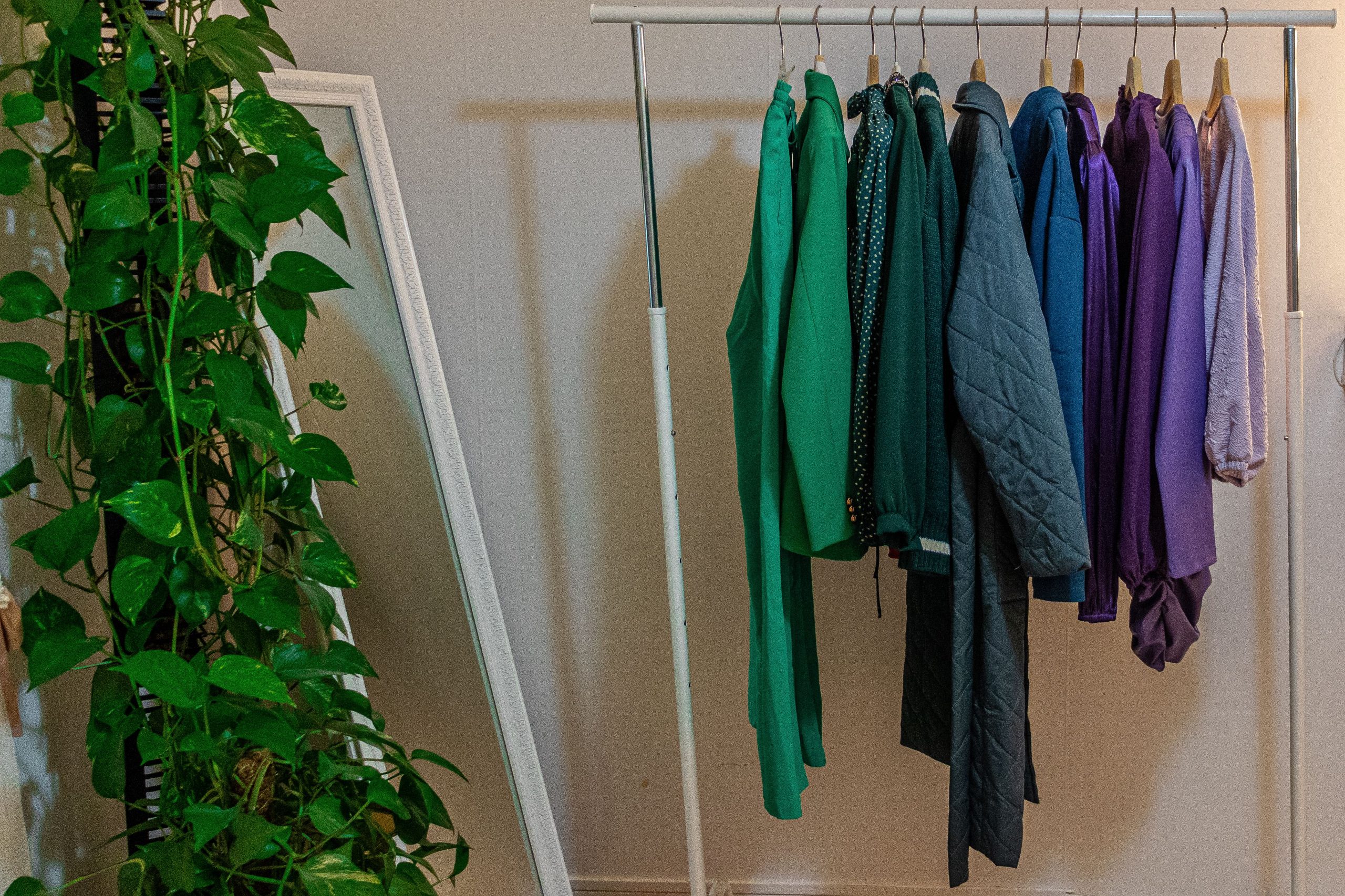
Are you tired of fast fashion and looking for a way to cultivate a wardrobe that’s both stylish and sustainable? You’re in the right place! With a little intention and creativity, you can make eco-friendly choices that not only benefit the planet but also elevate your personal style.
This article will share seven actionable ways to build a sustainable wardrobe, helping you make conscious decisions that prioritize environmental impact over trends.
1. Thrift Shopping – Best For Unique Finds
Thrift shopping is a treasure hunt where you can discover one-of-a-kind pieces while reducing waste. Local thrift stores and online platforms often house hidden gems that tell their own story.
Key Features:
- Affordable pricing.
- Diverse selection of styles.
- Supports local charities and communities.
Pros:
- Reduces textile waste.
- You find unique fashion items.
- Affordable compared to new clothes.
Cons:
- Time-consuming to find the right pieces.
- Sizes and styles may vary greatly.
- Less control over the quality of materials.
2. Invest in Quality – Best For Long-Lasting Pieces
Opt for high-quality clothing made from sustainable materials. While they may cost more upfront, investing in durable items means they will last longer, ultimately saving you money and reducing waste.
Key Features:
- Eco-friendly materials like organic cotton or Tencel.
- Classic designs that never go out of style.
- Support for ethical brands.
Pros:
- Saves money in the long run.
- Less frequent need to shop.
- Promotes responsible manufacturing.
Cons:
- Higher initial investment.
- Limited availability in mainstream stores.
- May require more care (dry cleaning, etc.).
3. Embrace Minimalism – Best For Simplified Choices
Adopting a minimalist wardrobe can streamline your style and reduce decision fatigue. Focus on versatile pieces that can be mixed and matched for various occasions.
Key Features:
- Fewer clothing items.
- Versatile pieces for different looks.
- Easy to maintain and organize.
Pros:
- Reduces clutter.
- Easier to make outfits.
- Promotes thoughtful purchases.
Cons:
- Adjustment period for some.
- Fewer options can feel restrictive initially.
- Requires constant reflection on personal style.
4. Swap Clothes – Best For Fresh Styles
Organize a clothing swap with friends or join community swap events to refresh your wardrobe without spending a dime. This is a fun way to get new items and declutter simultaneously.
Key Features:
- Involves trading clothes with others.
- Community-focused events.
- Great way to make fashion sustainable.
Pros:
- Zero cost to refresh your wardrobe.
- Promotes social interactions.
- Reduces overall clothing waste.
Cons:
- Limited availability depending on your network.
- Quality of items can vary.
- Can become repetitive if done frequently.
5. Choose Eco-Friendly Brands – Best For Conscious Consumers
Research and support brands that prioritize sustainability and ethical practices. Choosing eco-friendly brands ensures that your purchase dollars support environmentally responsible manufacturing.
Key Features:
- Commitment to ethical sourcing.
- Transparent supply chains.
- Use of sustainable materials.
Pros:
- Peace of mind with purchases.
- Encourages more brands to adopt sustainable practices.
- Generally higher quality products.
Cons:
- Can be pricier than fast fashion.
- Limited selections in traditional stores.
- Availability may vary by location.
6. Upcycle Old Clothes – Best For Unique Customization
Transform your old clothes into something new and stylish through upcycling. With a bit of creativity, you can breathe new life into forgotten garments.
Key Features:
- Creative repurposing of items.
- Unique, personalized clothing.
- Fun DIY activity.
Pros:
- Reduces textile waste significantly.
- Fosters creativity and individuality.
- Can be a cost-effective way to get new clothes.
Cons:
- Time-intensive process.
- Requires sewing or design skills.
- Results may vary depending on effort.
7. Rent Clothes – Best For Special Occasions
For events or special occasions, renting clothes is a fantastic way to wear designer items while minimizing waste. This option allows you to enjoy high-quality pieces without the long-term commitment.
Key Features:
- Access to luxury fashion at a fraction of the price.
- Environmentally friendly long-term approach.
- Convenience of return services.
Pros:
- Great for special occasions without waste.
- Variety of styles available.
- Often includes cleaning services.
Cons:
- Rental fees can add up if not managed.
- Limited availability in certain areas.
- Potential for damage fees.
How to Choose
To build a sustainable wardrobe, consider your personal style, budget, and lifestyle needs. Look for versatile pieces, prioritize quality over quantity, and select brands and practices that reflect your values. Embrace innovation by upcycling and swapping, ensuring your wardrobe remains fresh and eco-friendly.
#SustainableFashion #EcoFriendlyWardrobe #ThriftShopping #Minimalism #ClothingSwap #WearItOut #Upcycling #ConsciousConsumer