
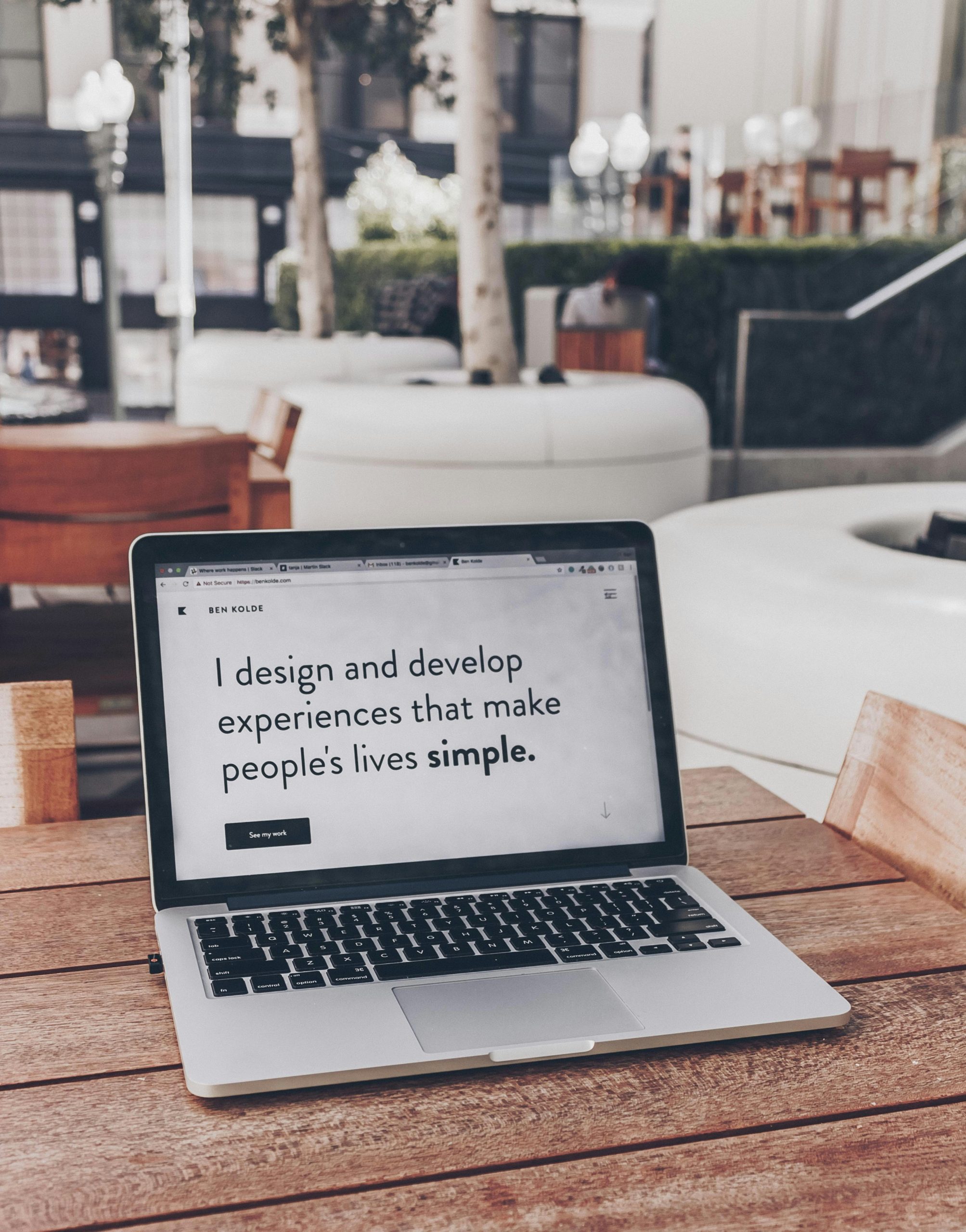
As a freelancer, your portfolio website is your digital business card—an essential tool for attracting clients. Yet, many struggle to create a site that genuinely showcases their skills and personality. If you’re looking to elevate your online presence and make a memorable impression on potential clients, you’ve come to the right place!
In this article, we’ll explore the ten best freelance portfolio website design strategies that will help you stand out in a crowded marketplace. Let’s dive in!
1. Showcase Your Best Work – First Impressions Matter
Your work is your calling card. Showcasing your best projects prominently is crucial for attracting clients. By curating a selection of top-quality pieces, you can immediately grab attention and communicate your style and expertise.
Key Features:
- High-quality images of your work
- Detailed project descriptions
- Clear navigation to different categories
Pros:
- Highlights your skills effectively
- Engages visitors quickly
- Sets a professional tone
Cons:
- May require continuous updates
- Could overwhelm if too many pieces are included
2. Use a Clean and Professional Layout – Simplicity is Key
A cluttered website can leave visitors confused. A clean, minimalist design helps clients focus on your work without distractions, enhancing their overall experience.
Key Features:
- Whitespace around elements
- Consistent font styles and sizes
- Intuitive navigation structure
Pros:
- Enhances readability
- Builds trust through professionalism
- Improves user experience
Cons:
- May feel too sterile if not personalized
- Less room for showcasing creativity
3. Add Testimonials – Build Trust and Credibility
Client testimonials act as social proof and can greatly influence potential clients’ decisions. Including real feedback showcases your professionalism and reliability.
Key Features:
- Highlight positive client comments
- Include names and photos for authenticity
- Organize by project type if applicable
Pros:
- Enhances credibility
- Encourages new clients to reach out
- Helps to humanize your brand
Cons:
- Can seem disingenuous if overly polished
- Requires regular updates as you gain new clients
4. Optimize for Mobile – Reach Clients Anywhere
With an increasing number of users browsing on mobile devices, your website must be mobile-friendly. A responsive design ensures that visitors have a seamless experience regardless of their device.
Key Features:
- Responsive design elements
- Fast loading times on all devices
- Clickable buttons and links for easy navigation
Pros:
- Improves user experience on any device
- Boosts SEO rankings
- Increases engagement and conversion rates
Cons:
- Development can be more time-consuming
- May require additional testing and revisions
5. Include a Clear Call to Action – Guide Clients to the Next Step
A clear call to action (CTA) is essential for directing potential clients on what to do next. Whether it’s contacting you, subscribing to a newsletter, or checking out your services, make it easy for them!
Key Features:
- Prominent placement of CTA buttons
- Concise and inviting language
- Multiple CTAs throughout the site
Pros:
- Increases inquiries and conversions
- Provides clear direction for visitors
- Can be tailored to your target market
Cons:
- Overuse can seem pushy
- Must regularly assess effectiveness
6. Use Quality Imagery – Visual Appeal is Critical
High-quality images can make or break a portfolio website. Using clear, professional images not only enhances your brand but also helps your work stand out.
Key Features:
- Professional photography or graphics
- Consistent visual theme
- Optimized images for quick loading
Pros:
- Captivates visitors’ attention
- Enhances overall professionalism
- Conveys your artistic vision
Cons:
- Can be costly if outsourced
- Requires careful selection to avoid clutter
7. Incorporate an About Page – Share Your Story
Clients love to know who they are working with. An engaging About page helps humanize your brand and makes you more relatable.
Key Features:
- Your background and experience
- A friendly tone with personal anecdotes
- Professional headshot
Pros:
- Builds a connection with potential clients
- Highlights your unique qualifications
- Encourages trust and rapport
Cons:
- Can be difficult to write authentically
- Risks being overlooked if too vague
8. Regularly Update Your Portfolio – Keep It Fresh
A stale portfolio can deter potential clients. Regular updates with new projects showcase your continued growth and evolving skills.
Key Features:
- Time frame for additions or updates
- Highlight recent and relevant work
- Assess analytics for top-performing pieces
Pros:
- Keeps content relevant and engaging
- Reflects your current abilities
- Shows commitment and professionalism
Cons:
- Time-consuming to keep track of updates
- May require redesigns as styles change
9. Utilize SEO Strategies – Get Found Online
To attract clients organically, your website needs to be optimized for search engines. Incorporating SEO strategies helps improve visibility and drive traffic to your site.
Key Features:
- Keyword research relevant to your services
- Meta descriptions for all pages
- Optimized images with alt text
Pros:
- Increases organic traffic
- Enhances brand awareness
- Builds authority in your niche
Cons:
- Can be complex for beginners
- Requires continual learning to stay updated
10. Add a Blog – Share Your Expertise
Creating a blog allows you to demonstrate your knowledge and skills regularly. It’s also a great way to engage with your audience and improve your site’s SEO.
Key Features:
- Topics relevant to your niche
- Regular posting schedule
- Engagement through comments and shares
Pros:
- Establishes your authority and expertise
- Enhances connection with visitors
- Drives traffic through valuable content
Cons:
- Time-consuming to maintain
- Requires consistent quality updates
How to Choose the Right Strategy for Your Portfolio
When selecting which strategies to implement, consider your target audience, the type of work you do, and your personal brand. Focus on creating a site that reflects who you are while addressing the needs of potential clients. Regularly review the performance of your website through analytics and make adjustments as necessary to keep your portfolio engaging and effective.
#FreelanceTips #PortfolioDesign #WebDesignStrategies #FreelanceLife #AttractClients #CreativePortfolio #FreelancerSuccess