
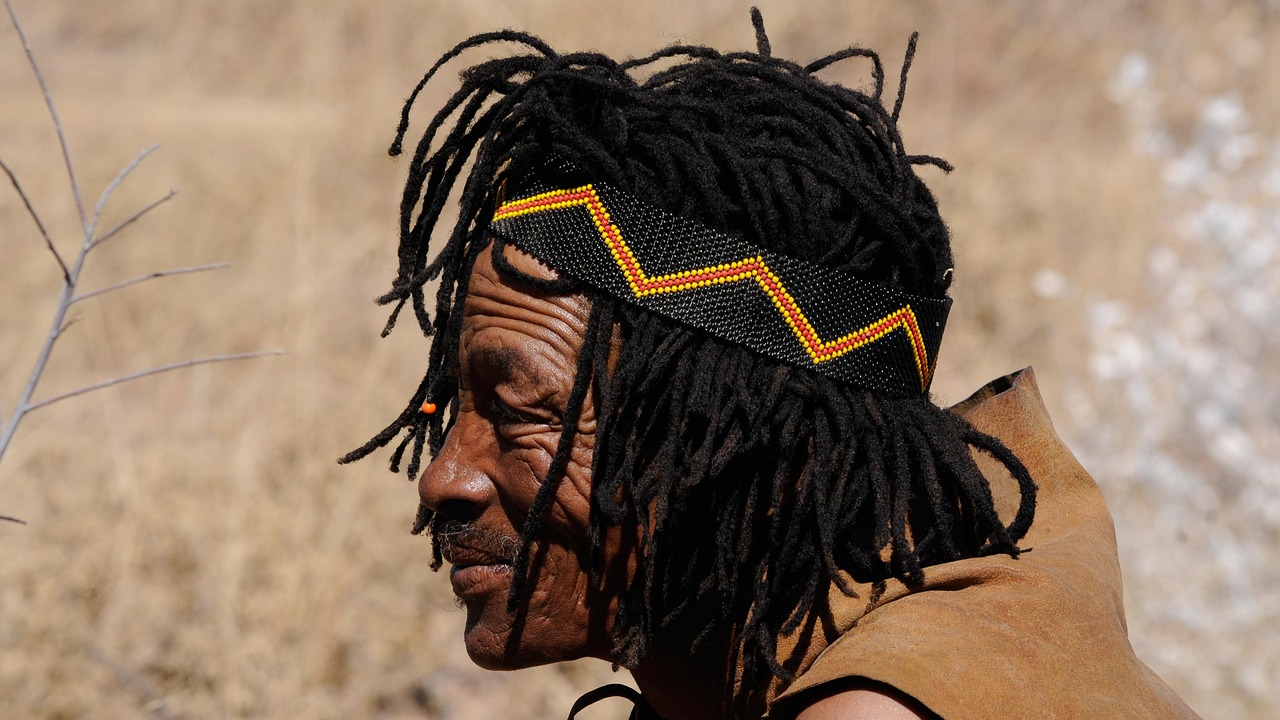
Indigenous fasting and seasonal cleanse traditions have been practiced for generations, offering profound insights into holistic health and spirituality. These rituals not only purify the body but also deepen the connection to nature and culture. If you’re seeking a way to rejuvenate your spirit while honoring ancient wisdom, exploring these traditions could be the perfect path for you.
This listicle dives into seven remarkable indigenous fasting and cleansing practices, outlining their unique benefits and significance. Whether you aim for physical detoxification or a spiritual journey, you’ll find the perfect guide here.
1. Native American Vision Quest – Best for Spiritual Clarity
The Vision Quest is a rite of passage among many Native American tribes, traditionally involving fasting and secluded reflection in nature. This powerful journey seeks spiritual guidance and personal insight.
Key Features:
- Involves spending time alone in nature
- Fasting to enhance spiritual clarity
- Engagement with cultural rituals and symbols
Pros:
- Deepens self-understanding
- Fosters a connection with nature
- Provides a supportive community experience
Cons:
- Physically demanding
- May take time for preparation
- Can bring forth emotional challenges
2. Aboriginal Bush Tucker Cleanse – Best for Nutritional Reconnection
Utilizing the natural bounty of the Australian bush, this cleanse encourages foraging and eating native plants. It focuses on reconnecting with the land through sustainable practices.
Key Features:
- Focuses on seasonal and sustainable foods
- Encourages mindfulness and respect for nature
- Involves learning about indigenous plants
Pros:
- Supports environmental sustainability
- Enhances culinary skills
- Promotes healthy eating habits
Cons:
- Can require extensive knowledge of local flora
- Time-consuming for foraging
- Requires access to suitable environments
3. Sami Seasonal Fasts – Best for Body-Mind Reset
The Sami people of Scandinavia incorporate seasonal fasting aligned with their environment. These fasts correspond with natural cycles, promoting a holistic lifestyle and deep spiritual reflection.
Key Features:
- Aligns fasting practices with seasonal changes
- Focus on natural rhythms and the environment
- Encourages physical and mental renewal
Pros:
- Promotes overall well-being
- Strengthens cultural practices
- Encourages sustainable living
Cons:
- Requires deep understanding of seasonal cycles
- May not suit everyone’s lifestyle
- Can be challenging without community support
4. Andean Cleanse – Best for Detoxification
The Andean cleanse, practiced in the highlands of South America, focuses on the use of local herbs and diet changes to detoxify the body and promote vitality.
Key Features:
- Utilizes indigenous herbs and plants
- Involves dietary shifts toward natural foods
- Emphasizes the importance of community support
Pros:
- Improves digestion and vitality
- Strengthens community bonds
- Offers cultural education
Cons:
- May require access to specific herbs
- Can be a prolonged process
- Requires commitment to dietary changes
5. African Harvest Festivals – Best for Cultural Renewal
Many African cultures celebrate harvest seasons with fasting and feasting to give thanks and renew spiritual health. This approach fosters gratitude and communal ties.
Key Features:
- Combines fasting with rituals of thanksgiving
- Encourages community and participation
- Promotes the sharing of harvest bounty
Pros:
- Strengthens community relationships
- Encourages gratitude and reflection
- Offers a vibrant cultural experience
Cons:
- May not be accessible outside specific communities
- Could involve significant preparation
- Relies on participation and collaboration
6. Maori Hangi Detox – Best for Culinary Experience
The Maori people of New Zealand practice the Hangi, a traditional meal cooked underground. Though not a fast in the typical sense, it’s a communion with the earth through food and community.
Key Features:
- Involves traditional cooking methods using earth
- Focuses on communal dining
- Celebrates cultural heritage through food
Pros:
- Encourages community building
- Promotes appreciation of indigenous foodways
- Provides a holistic culinary experience
Cons:
- Requires specific preparation and equipment
- Time-consuming process
- May not be feasible in all locations
7. Indigenous Chinese Qi Gong – Best for Energy Balance
The ancient practice of Qi Gong in indigenous Chinese traditions emphasizes breath control and movement, often combined with fasting for mental clarity and energy balance.
Key Features:
- Integrates breathing, posture, and meditation
- Supports physical health and mental clarity
- Can be practiced individually or in groups
Pros:
- Enhances vitality and energy flow
- Improves mental focus
- Promotes overall health
Cons:
- Requires regular practice for effectiveness
- May be difficult for beginners
- Can take time to see results
How to Choose the Right Fast or Cleanse
When selecting an indigenous fasting or seasonal cleanse tradition, consider your personal goals, physical health, and spiritual needs. Research the cultural significance and preparation requirements of each tradition to ensure you approach it with respect and integrity. It’s essential to listen to your body and choose a practice that resonates with you and aligns with your lifestyle.
#IndigenousTraditions #Fasting #SeasonalCleanse #HolisticHealth #CulturalHeritage #WellnessJourney #Detox #Mindfulness