
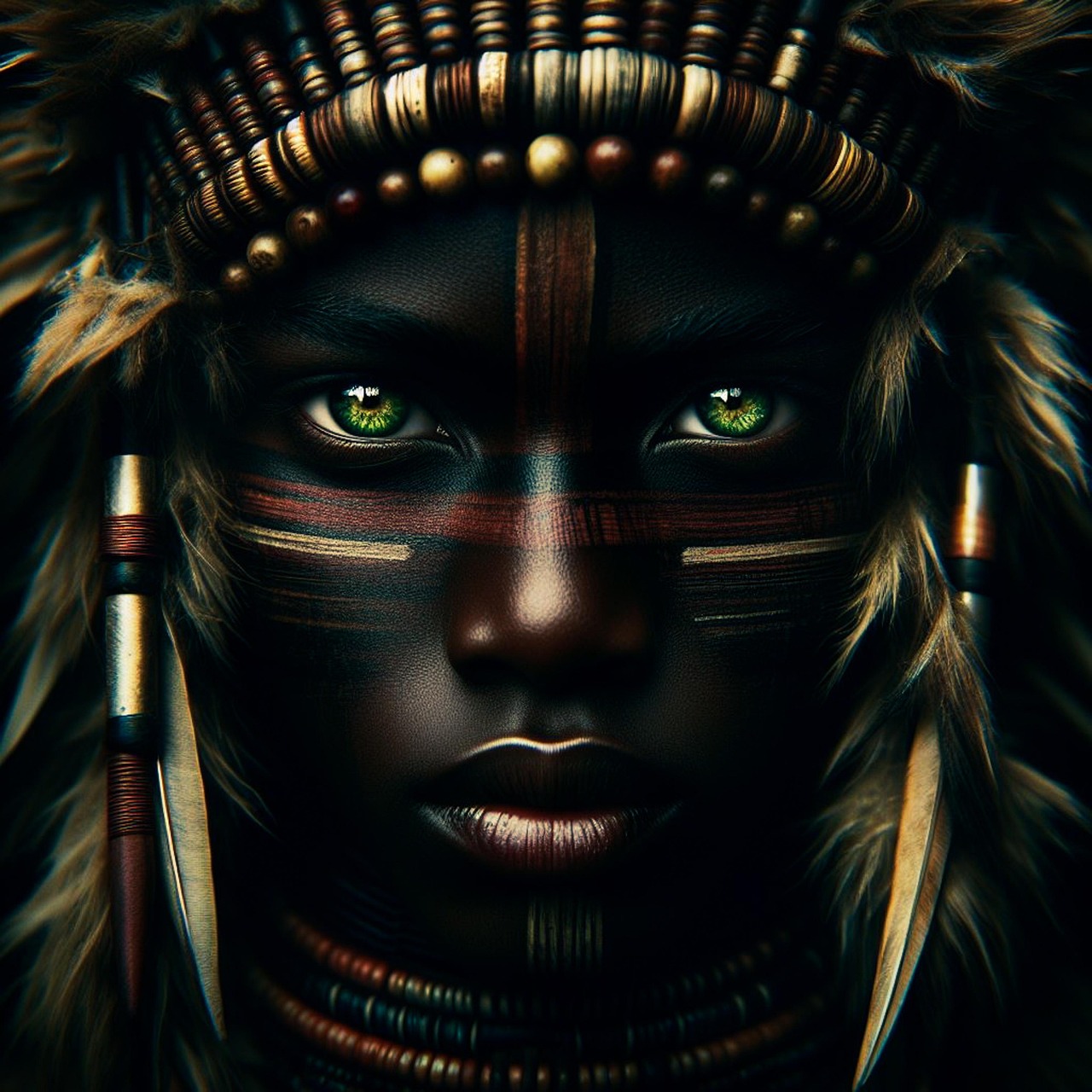
If you’re a documentary lover or an anthropology enthusiast, you know that few things can rival the impact of beautifully crafted ethnographic films. These cinematic masterpieces transport you into the heart and soul of tribal cultures, revealing deep truths about human connections and societal structures. Here’s a curated list of the top 7 ethnographic and tribal documentaries that you must watch!
Each of these films not only captivates with stunning visuals but also offers profound insights into the cultures they portray. Whether you’re seeking inspiration or education, this list is bound to enrich your understanding of the diverse tapestry of human life across the globe.
1. Nanook of the North – Best For Pioneering Ethnographic Cinema
This classic from 1922 by Robert Flaherty is often hailed as the first-ever feature-length documentary. It chronicles the life of an Inupiat family living in the Arctic, showcasing their struggles and triumphs in a harsh environment.
Key Features:
- Groundbreaking use of documentary storytelling.
- Breathtaking cinematography of the Arctic landscape.
- Introduces audiences to indigenous Arctic life.
Pros:
- Innovative for its time; sets a standard for documentaries.
- Engaging depiction of survival and adaptability.
- Rich in cultural detail.
Cons:
- Some scenes were staged, raising authenticity debates.
- Pacing may feel slow for modern audiences.
- Limited representation of contemporary Inupiat life.
2. The Act of Killing – Best For Challenging Perspectives
This 2012 documentary, directed by Joshua Oppenheimer, invites former Indonesian death squad leaders to reenact their real-life killings. The film confronts viewers with the stark reality of humanity’s darkest sides.
Key Features:
- Unique approach blending reenactment with documentary.
- Unflinching exploration of guilt and denial.
- Powerful commentary on historical atrocities.
Pros:
- Provokes deep emotional responses.
- Highly original and artistic presentation.
- Rich in socio-political context.
Cons:
- Can be disturbing and unsettling for viewers.
- Length may be off-putting to some.
- May require background knowledge for full impact.
3. The Salt of the Earth – Best For Artistic Representation
Directed by Wim Wenders and Juliano Ribeiro Salgado, this documentary focuses on the life and work of photographer Sebastião Salgado. It beautifully intertwines human suffering with the resilience of the earth.
Key Features:
- Stunning visuals showcasing nature and human struggle.
- Deep exploration of issues like migration and poverty.
- Captures the beauty of ancient cultures.
Pros:
- Evocative visual storytelling.
- Emotionally gripping narratives.
- Balances art with earnest socio-political inquiry.
Cons:
- Fast-paced editing may disorient some viewers.
- Cultural references may require additional context.
- Not strictly a traditional ethnographic film.
4. Baraka – Best For Visual Poetry
This non-narrative documentary directed by Ron Fricke combines stunning imagery from around the world with a soulful soundtrack. It focuses on the relationship between humanity and nature, showcasing various cultures and rituals.
Key Features:
- No dialogue—purely visual storytelling.
- Immersive soundscape enhancing the experience.
- Incredibly diverse footage from all over the globe.
Pros:
- Enchanting and meditative experience.
- Universal themes, connecting cultures and nature.
- Visually mesmerizing artistic masterpiece.
Cons:
- Lacks a traditional narrative structure.
- May confuse viewers looking for dialogue.
- Specific scenes may not resonate universally.
5. Happy People: A Year in the Taiga – Best For Local Perspectives
This documentary by Dmitry Vasiliev captures the daily lives of trappers in Siberia’s remote Taiga region. It’s an intimate look at the simplicity and beauty of rural life.
Key Features:
- Authentic portrayal of indigenous lifestyles.
- Focus on survival in extreme conditions.
- Captivating insights into a unique cultural identity.
Pros:
- Heartwarming and relatable stories.
- Visually stunning landscapes of Siberia.
- Highlights the resilience of human spirit.
Cons:
- Pacing may feel slow for some viewers.
- Limited narrative depth on broader issues.
- Subtitles might distract from visuals.
6. The Gleaners and I – Best For Social Commentary
This film, directed by Agnès Varda, explores the lives of those who scavenge for food and materials in France. It presents a unique perspective on waste, sustainability, and resourcefulness.
Key Features:
- Innovative visual style integrated with personal narrative.
- Uplifts marginalized voices in society.
- Provokes thought about consumerism and waste.
Pros:
- Engages with environmental issues in a personal way.
- Charming and reflective storytelling.
- Blends documentary with an art-house style.
Cons:
- May not appeal to traditional documentary fans.
- Some thematic elements can be dark.
- Less focus on specific cultures compared to other entries.
7. The Other Side of Everything – Best For Political Insight
This documentary film by Mila Turajlić tells the story of a family living in a Belgrade apartment that is at the heart of political upheaval. It delves deep into personal and national histories.
Key Features:
- Explores personal stories against a backdrop of political history.
- Rich in emotional depth and personal narratives.
- Offers insights into modern Serbia’s struggles.
Pros:
- Thought-provoking and deeply personal.
- Provides a unique perspective on political themes.
- Strong character development.
Cons:
- Narrative may feel fragmented to some viewers.
- Requires understanding of Serbian history for full impact.
- Elements of personal experience may not resonate with everyone.
How to Choose Your Ethnographic and Tribal Documentaries
When selecting the perfect ethnographic documentary, consider what themes resonate with you. Are you looking for cultural insights, political perspectives, or stunning visuals? Pay attention to the film’s narrative style as well—choose between traditional storytelling or non-narrative formats to enhance your viewing experience.
#documentaryfilms #ethnographicfilms #tribaldocumentaries #culturalscience #filmrecommendations #visualstorytelling #documentarylover