
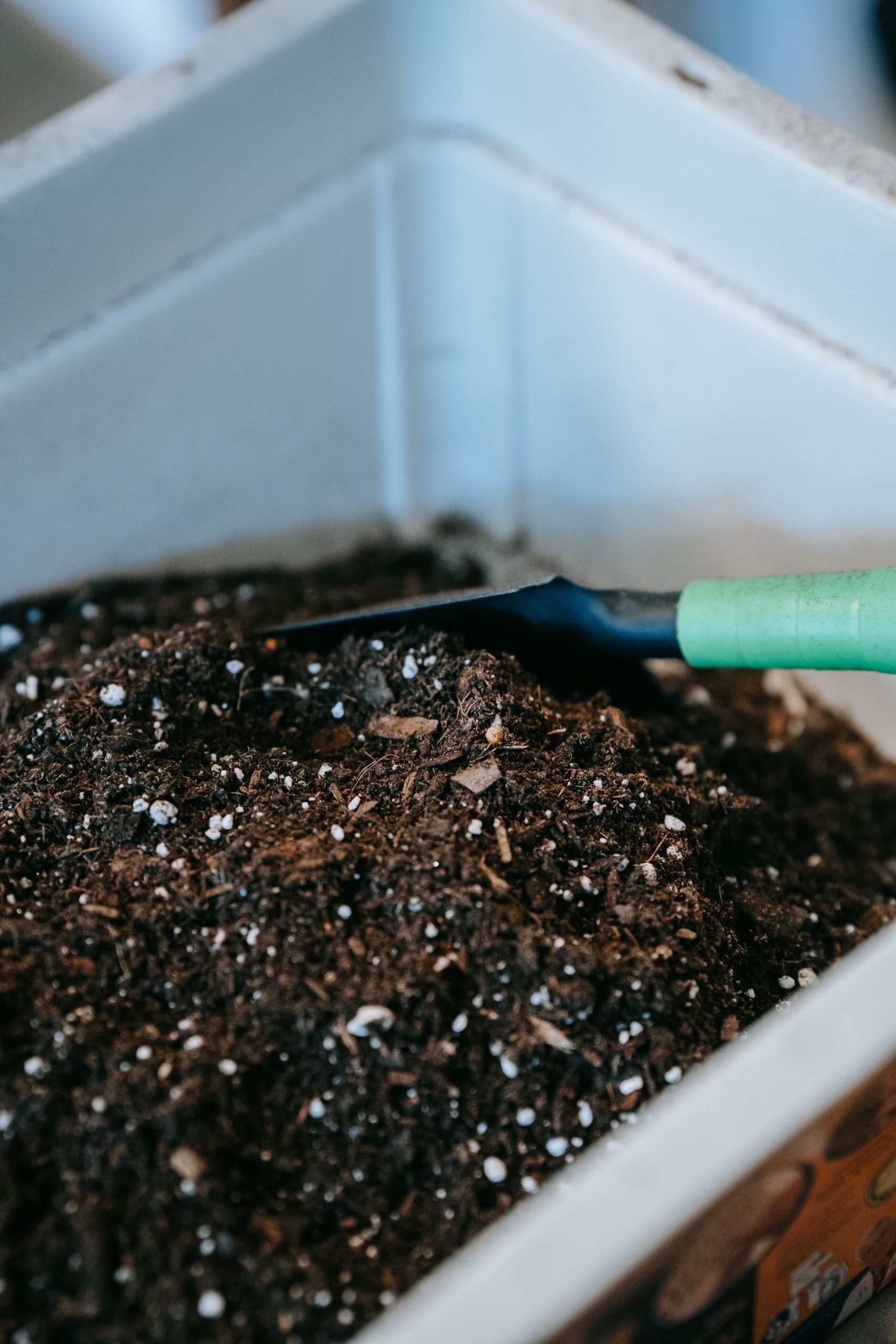
Are you an urban apartment dweller eager to reduce your waste but unsure how to compost in a limited space? Indoor composting might be the answer you’ve been searching for! With the right tips and techniques, you can transform your kitchen scraps into nutrient-rich compost without the mess and odor.
This article will guide you through the top five indispensable tips for successful indoor composting, making it easy to contribute to a healthier planet—even from the comfort of your apartment! Let’s get started!
1. Choose the Right Compost Bin – Best For Space Efficiency
The first step in successful indoor composting is selecting a compost bin that suits your space. Look for compact, odor-free options that fit seamlessly into your kitchen.
Key Features:
- Compact design suitable for small spaces
- Odor control technology
- Easy access for daily use
Pros:
- Low maintenance
- Reduces kitchen waste effectively
- Available in various designs
Cons:
- Some models can be relatively expensive
- May require regular emptying
2. Balance Greens and Browns – Best For Efficient Composting
Key Features:
- Provides a balanced diet for microbes
- Speeds up decomposition
- Prevents odors and pests
Pros:
- Easy to manage and maintain
- Reduces unwanted smells
- Encourages diverse microbial activity
Cons:
- Requires attention to proper ratios
- Learning curve for beginners
3. Use Worms – Best For Space-Saving and Efficiency
Vermicomposting, or worm composting, allows you to produce high-quality compost quickly and in a small space. Red wigglers are incredibly efficient at breaking down scraps and provide nutrient-rich worm castings!
Key Features:
- Compact and odor-free
- Produces nutrient-dense vermicompost
- Minimal maintenance required
Pros:
- Great for small apartments
- Highly effective composting method
- Educational and fun for all ages
Cons:
- Requires some knowledge about worm care
- Initial setup can be daunting
4. Keep It Moist – Best For Optimal Decomposition
Key Features:
- Ensures an active compost environment
- Prevents mold growth
- Promotes healthy microbial activity
Pros:
- Boosts decomposition rate
- Prevents odors from arising
- Easy to check and maintain
Cons:
- Requires constant monitoring
- Too much moisture can lead to problems
5. Educate Yourself – Best For Making Informed Choices
Key Features:
- Access to reliable composting resources
- Networking opportunities with fellow composters
- Increased confidence in composting practices
Pros:
- Improved compost quality
- Helps in troubleshooting problems
- Encourages community involvement
Cons:
- Can be overwhelming with too much information
- Time-consuming to learn
How to Choose the Right Indoor Composting Method for You
When selecting an indoor composting method, consider the space available, your lifestyle, and your comfort with maintenance. Whether you prefer a simple compost bin, vermicomposting with worms, or educated practices to manage the process, there’s a method that suits every urban dweller. Start small and grow from there!
#IndoorComposting #UrbanGardening #SustainableLiving #CompostTips #ApartmentLiving #GreenThumb #WasteReduction