
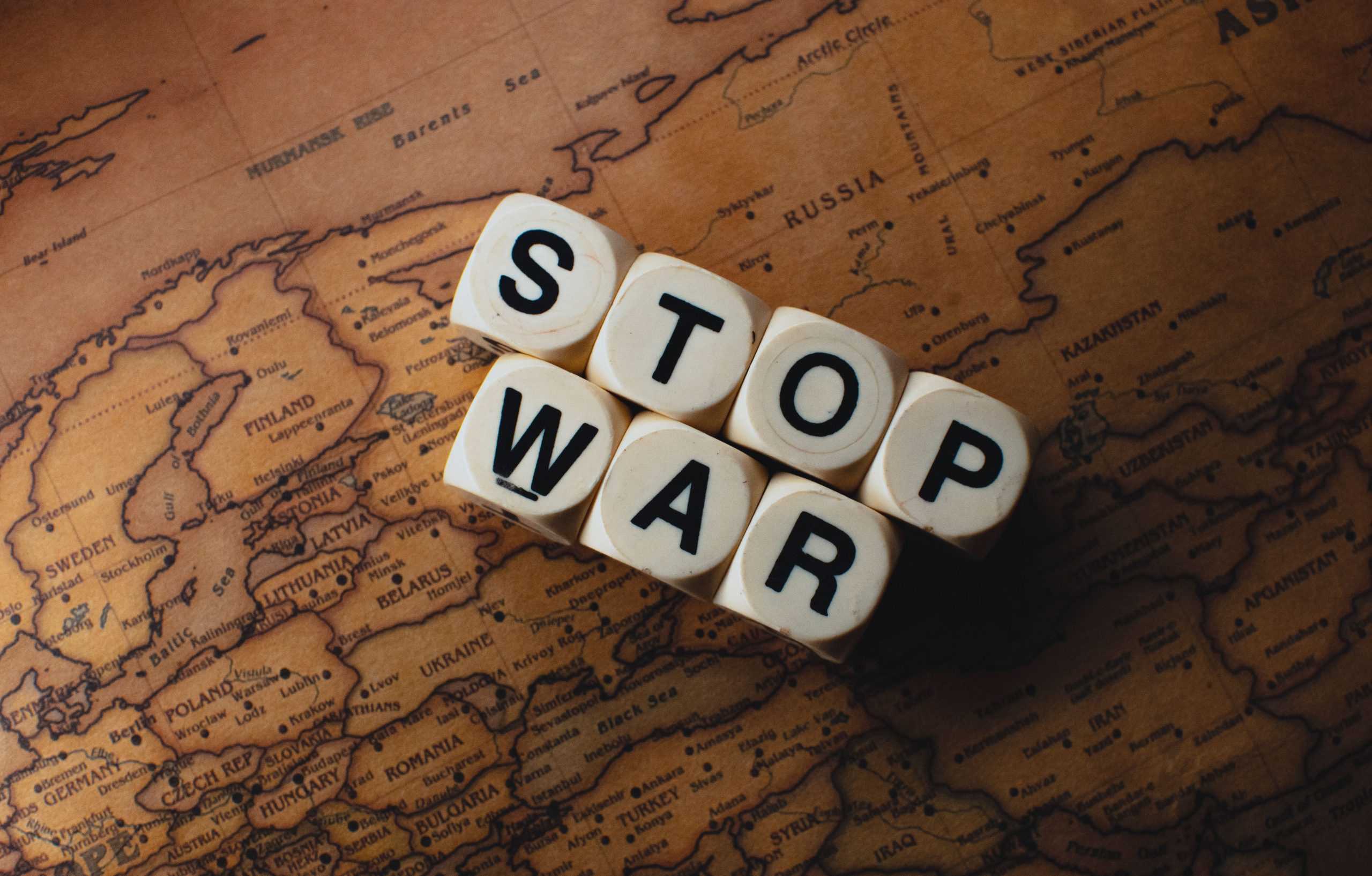
In an increasingly interconnected world, diplomatic strategies play a crucial role in resolving international conflicts. Whether it’s territorial disputes, trade wars, or humanitarian crises, the right diplomatic approach can pave the way for peace and collaboration among nations. Discover the most effective strategies—these may just change the game!
This listicle explores the top ten diplomatic strategies that have proven successful in resolving international tensions. By understanding and utilizing these methods, countries can navigate complex relationships and foster a more peaceful globe.
1. Mediation – Best for Facilitating Dialogue
Mediation involves a neutral third party who helps conflicting parties communicate and find common ground. This strategy is particularly effective when tensions are high, and direct dialogue is challenging.
Key Features:
- Neutral facilitator to guide discussions
- Encourages open communication
- Creates a safe space for cooperation
Pros:
- Increases the likelihood of a peaceful resolution
- Enhances relationships between parties
- Cost-effective compared to military interventions
Cons:
- May not work with unwilling parties
- Can be time-consuming
- Outcomes are not always binding
2. Diplomacy through Trade – Best for Economic Rewards
Leveraging economic ties can be an effective way to resolve conflicts. Countries that engage in robust trade relationships are often less likely to enter into disputes.
Key Features:
- Mutual economic benefits
- Incentives for cooperation
- Long-term interdependence
Pros:
- Strengthens economic bonds
- Reduces tensions through collaboration
- Encourages stable relationships
Cons:
- Possible economic imbalances
- Not effective against all types of conflicts
- Risk of dependency on trade
3. Track II Diplomacy – Best for Informal Engagement
Track II diplomacy refers to unofficial dialogue and problem-solving activities between individuals or groups. This strategy often allows for honest discussion without the constraints of formal negotiations.
Key Features:
- Involves civil society participants
- Fosters informal communication
- Encourages mutual understanding
Pros:
- More flexible and adaptive than official processes
- Builds friendships and trust
- Can be more creative in solution-finding
Cons:
- May lack political legitimacy
- Not always taken seriously by governments
- Results can be hard to formalize
4. Conflict Resolution Workshops – Best for Building Skills
These workshops aim to equip participants with the skills to resolve conflicts amicably. They often include role-playing and exercises to simulate real-life scenarios.
Key Features:
- Interactive learning environment
- Focus on communication and negotiation skills
- Promotes lasting behavioral change
Pros:
- Empowers individuals with tools for future conflicts
- Encourages collaboration and teamwork
- Can involve diverse stakeholders
Cons:
- May not address deeper political issues
- Can be costly to implement
- Success depends on participant commitment
5. Public Diplomacy – Best for Shaping Perceptions
Public diplomacy involves governments communicating directly with foreign populations to influence their perceptions and garner support. This strategy can help create a favorable environment for negotiation.
Key Features:
- Utilizes social media and traditional channels
- Engages with citizens directly
- Focuses on building a positive image
Pros:
- Increases transparency and trust
- Shapes public opinion favorably
- Encourages grassroots support for diplomacy
Cons:
- Can backfire if mismanaged
- May take time to see results
- Requires ongoing engagement and resources
6. Peacekeeping Missions – Best for Immediate Relief
Peacekeeping involves deploying international forces to maintain peace and security in conflict zones. These missions can provide immediate relief and prevent further violence.
Key Features:
- Presence of neutral international forces
- Focus on stabilizing affected regions
- Coordination with local authorities
Pros:
- Helps to protect civilians
- Restores order and security
- Often backed by international consensus
Cons:
- Can be costly and require substantial resources
- May face resistance from conflicting parties
- Long-term effectiveness is uncertain
7. High-Level Summits – Best for Breaking Deadlocks
Top-level meetings between heads of state can break impasses in negotiations. These summits often attract global attention and can lead to significant breakthroughs.
Key Features:
- Direct engagement between leaders
- Media coverage to hold parties accountable
- Potential for landmark agreements
Pros:
- Raises the profile of issues
- Facilitates quick decision-making
- Provides a platform for high-stakes negotiations
Cons:
- Can be overshadowed by political drama
- Outcomes may not reflect grassroots concerns
- High expectations can lead to disappointment
8. Cultural Diplomacy – Best for Building Connections
Cultural diplomacy employs cultural exchange as a means of improving international relations. By showcasing arts, traditions, and values, countries can foster understanding and friendship.
Key Features:
- Exchange programs and collaborations
- Focus on shared histories and values
- Promotes people-to-people connections
Pros:
- Humanizes nations and builds empathy
- Encourages long-term relationships
- Enhances mutual respect and tolerance
Cons:
- May be viewed as superficial
- Can require significant investment
- Results may take time to manifest
9. Conflict Analysis – Best for Informed Decision-Making
Employing comprehensive analysis of the conflicts allows policymakers to make informed decisions. Understanding the root causes and dynamics is crucial for effective resolution.
Key Features:
- In-depth examination of conflicts
- Utilizes data and case studies
- Assesses stakeholder interests
Pros:
- Leads to tailored resolution strategies
- Prevents missteps in negotiations
- Enhances strategic planning
Cons:
- Can be time-consuming
- Requires expertise and resources
- Risk of over-analysis leading to inaction
10. Peace Treaties – Best for Formal Agreements
At the conclusion of a conflict, formal peace treaties lay the foundation for lasting resolution. They outline the terms of peace and provisions for cooperation moving forward.
Key Features:
- Legally binding agreements
- Defined roles and responsibilities
- Involvement of international stakeholders
Pros:
- Provides a framework for post-conflict recovery
- Strengthens mutual commitments
- Can lead to further negotiations on other issues
Cons:
- Implementation can be challenging
- May require continuous monitoring
- Parties may have differing interpretations
How to Choose the Right Diplomatic Strategy
Identifying the appropriate diplomatic strategy requires understanding the specific context of the conflict, the parties involved, and the desired outcomes. Consider the unique characteristics of each option, and align them with the goals of all stakeholders for the best chance at successful resolution.
#DiplomaticStrategies #ConflictResolution #InternationalRelations #Peacekeeping #Mediation #PublicDiplomacy #CulturalDiplomacy #HighLevelSummits