
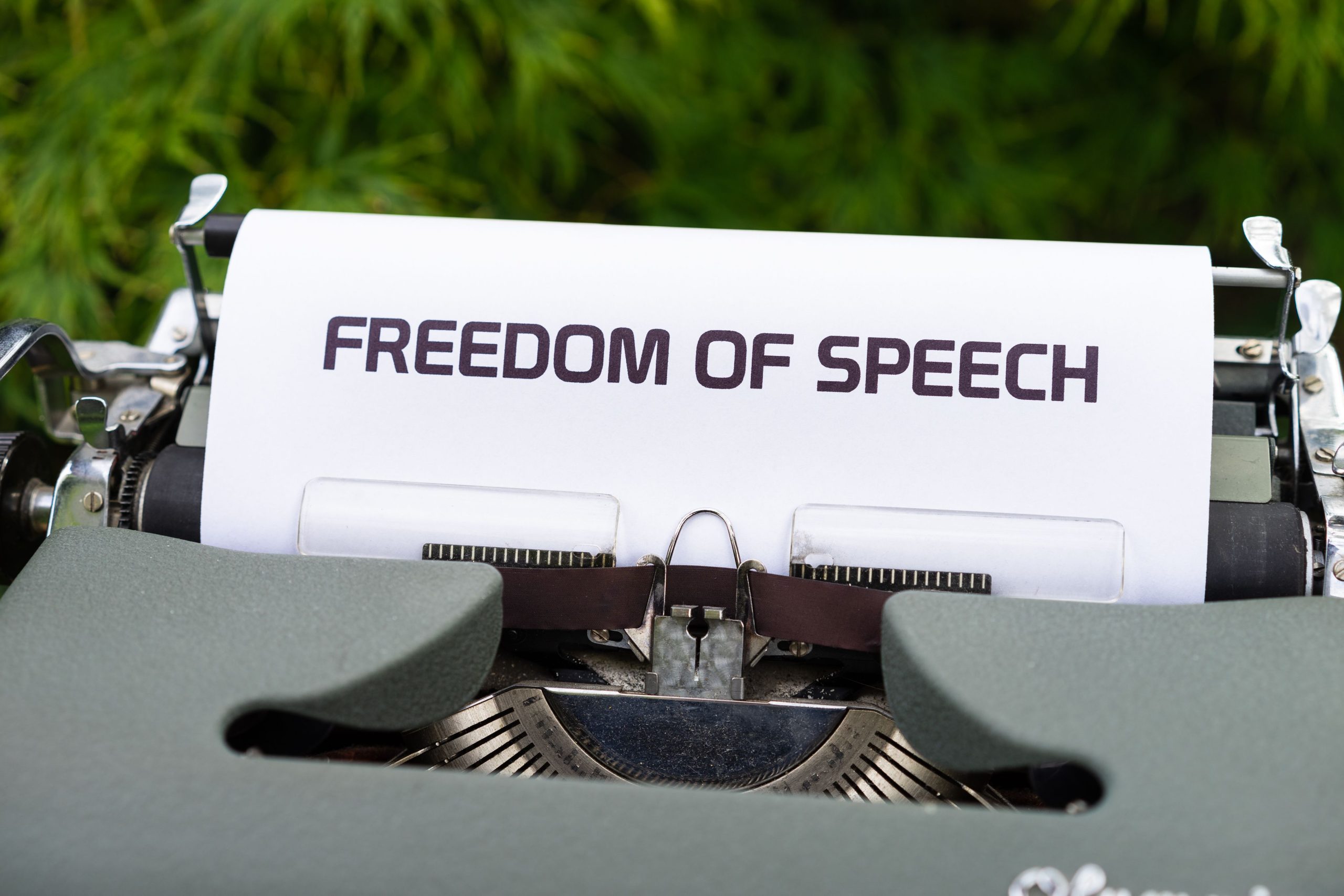
Freedom of speech is a fundamental right that fuels numerous debates within society, politics, and philosophy. Understanding its philosophical underpinnings can empower you to advocate for your views effectively. In this article, we explore the eight best philosophical arguments that highlight the importance of freedom of speech and its role in a thriving democracy.
Whether you’re a student, a professional, or just a curious individual, these arguments will help you appreciate the value of free expression and why it should be protected. Let’s dive into these compelling perspectives!
1. The Marketplace of Ideas – Promoting Truth
The “Marketplace of Ideas” theory, articulated by John Stuart Mill, suggests that free speech allows for the testing of ideas in a competitive environment. This process helps to uncover truth and promote knowledge.
Key Features:
- Facilitates discussion and debate.
- Encourages the pursuit of truth.
- Allows faulty ideas to be challenged and improved.
Pros:
- Encourages critical thinking.
- Stimulates social and political progress.
- Empowers marginalized voices.
Cons:
- Not all ideas lead to beneficial outcomes.
- Can legitimize harmful ideologies.
- Requires a well-informed public to function effectively.
2. Individual Autonomy – Self-Determination
Freedom of speech is closely tied to individual autonomy, asserting that people should have the right to express themselves without interference. This autonomy is essential for personal growth and self-identification.
Key Features:
- Promotes self-expression.
- Supports the development of personal identity.
- Encourages responsibility for one’s own words.
Pros:
- Enhances personal development.
- Builds self-confidence.
- Enables creativity and innovation.
Cons:
- May lead to excessive self-indulgence.
- Can clash with social norms.
- May result in harmful speech with societal repercussions.
3. Social Progress – Catalyst for Change
Freedom of speech serves as a catalyst for social change, allowing individuals to challenge injustices and propose alternatives. Historical movements often hinged upon the ability to express dissent.
Key Features:
- Facilitates activism and social justice movements.
- Encourages public discourse on societal issues.
- Provides a platform for marginalized communities.
Pros:
- Fosters equality and inclusivity.
- Inspires collective action.
- Increases awareness of important issues.
Cons:
- Can incite conflict among opposing views.
- May disrupt social harmony.
- Can lead to misinformation or hysteria.
4. Empowerment – Giving Voice to the Voiceless
Freedom of speech empowers individuals and groups who may be marginalized or silenced in society. It ensures that diverse perspectives are heard and valued.
Key Features:
- Reduces inequality in public discourse.
- Allows for a more democratic representation of ideas.
- Encourages the protection of minority rights.
Pros:
- Raises awareness of systemic issues.
- Encourages community engagement.
- Fosters a pluralistic society.
Cons:
- Can lead to dissenting opinions overshadowing majority views.
- Risk of sensationalism in media.
- Potential unfounded grievances may arise.
5. Democratic Engagement – Informed Citizenry
A healthy democracy relies on informed citizens who can express their views freely. Freedom of speech enables participation in governance and helps hold authorities accountable.
Key Features:
- Supports transparency in government.
- Facilitates informed voting decisions.
- Promotes civic responsibility.
Pros:
- Strengthens democratic institutions.
- Encourages public dialogue and debate.
- Enhances the legitimacy of government authority.
Cons:
- Potential for manipulation of facts.
- Risk of polarization within the electorate.
- Disinformation can undermine trust in institutions.
6. Moral Responsibility – Accountability for Speech
The argument for freedom of speech emphasizes moral responsibility. Individuals should be accountable for their words and the impact they have on society.
Key Features:
- Encourages thoughtful communication.
- Promotes ethical discourse.
- Discourages irresponsible speech.
Pros:
- Fosters integrity in public discussion.
- Raises awareness of consequences of speech.
- Encourages constructive dialogue.
Cons:
- Define what constitutes irresponsible speech.
- Can lead to self-censorship.
- Potentially limits creative expression.
7. Counteracting Government Power – Safeguarding Freedom
Freedom of speech acts as a check on government power, allowing citizens to voice dissent and critique authority without fear of retaliation.
Key Features:
- Protects against tyranny.
- Promotes transparency in leadership.
- Encourages political engagement.
Pros:
- Upholds civil liberties.
- Encourages accountability among leaders.
- Strengthens democratic values.
Cons:
- Can lead to disrespect for authority.
- May intensify political polarization.
- Torward extremism if unchecked.
8. The Right to Offend – Protecting Insensitive Speech
Defending the right to offend is pivotal in preserving freedom of speech. It accentuates the necessity of allowing all viewpoints, including those that may be uncomfortable or unpopular.
Key Features:
- Challenges societal norms.
- Promotes resilience in individuals.
- Encourages discourse about sensitive topics.
Pros:
- Encourages diverse viewpoints.
- Benefits societal progress by confronting taboos.
- Supports a robust exchange of ideas.
Cons:
- Can harm marginalized groups.
- May perpetuate stereotypes or discrimination.
- Can lead to societal discord.
How to Choose Your Stance on Freedom of Speech
When considering your perspective on freedom of speech, reflect on the following points:
– Evaluate the balance between free speech and potential harm.
– Think about the implications of gatekeeping information.
– Advocate for responsible expression while honoring diverse viewpoints.
#FreedomOfSpeech #Philosophy #SocialJustice #MarketplaceOfIdeas #DemocraticEngagement #Empowerment #CivicResponsibility #MoralPhilosophy