
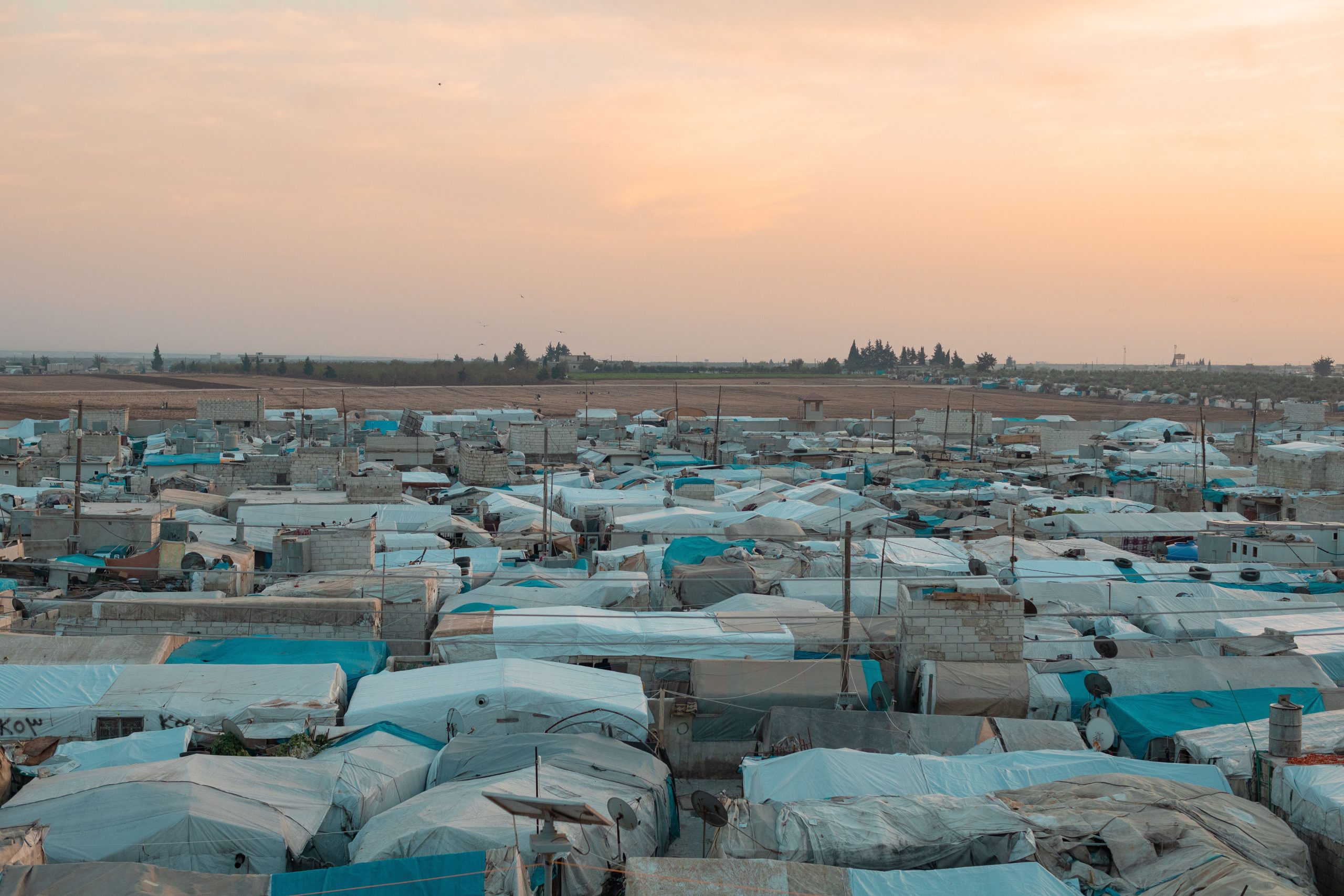
Refugee crises have become one of the pressing challenges of our time, demanding immediate and effective responses from nations around the globe. Each continent has implemented unique policies to address the influx of displaced individuals, showcasing various approaches to humanitarian aid and integration. This article explores six of the most impactful refugee crisis management policies worldwide, presenting innovative solutions that could inspire future strategies.
Whether you’re a policy maker, an activist, or simply interested in global humanitarian efforts, understanding these policies is essential. Dive into these examples to discover best practices that can enhance refugee management systems everywhere.
1. Canada’s Multi-Year Immigration Plan – Best For Long-Term Settlement
Canada’s Multi-Year Immigration Plan is a pioneering approach to integrating refugees into the fabric of society. This policy focuses not just on immediate resettlement, but on creating a sustainable future for refugees. By offering a comprehensive strategy for various facets like housing, job training, and education, Canada sets a strong example of a welcoming society.
Key Features:
- Focus on long-term immigration goals.
- Comprehensive support services for refugees.
- Community involvement in refugee integration.
Pros:
- Increases refugee self-sufficiency.
- Fosters social cohesion.
- Bolsters the economy through skilled labor.
Cons:
- Requires sustained government investment.
- Can face political opposition.
- Slow initial implementation may deter some refugees.
2. Germany’s Asylum Act – Best For Efficient Processing
Germany’s Asylum Act has been recognized for its streamlined processing of asylum applications. This policy allows for quicker decision-making, ensuring that those in need can receive protection and assistance without prolonged waiting periods. By adapting to changing circumstances, Germany aims to efficiently provide humanitarian relief while maintaining public order.
Key Features:
- Rapid processing of applications.
- Clear guidelines for asylum seekers.
- Incorporation of legal frameworks for support.
Pros:
- Minimizes uncertainty for refugees.
- Reduces backlog in the asylum system.
- Promotes economic contributions from newcomers.
Cons:
- May disrupt local communities.
- Overburdened resources can lead to challenges.
- Potential for strained public opinion.
3. Uganda’s Refugee Policy – Best For Inclusivity
Uganda’s progressive refugee policy stands out for its commitment to inclusivity, allowing refugees to live in settlements while maintaining the right to work, access education, and health services. This policy emphasizes community engagement and empowerment, turning refugee settlements into vibrant hubs of productivity and resilience.
Key Features:
- Right to work and establish businesses.
- Access to public services.
- Community participation in decision-making.
Pros:
- Empowers refugees economically.
- Enhances social tie formation.
- Reduces dependence on humanitarian aid.
Cons:
- Resource limitations can impact effectiveness.
- Potential strain on local infrastructure.
- Requires ongoing support from international partners.
4. Australia’s Offshore Processing Policy – Best For Border Management
Australia’s Offshore Processing Policy offers a controversial but effective approach to managing refugee intake and minimizing illegal maritime arrivals. By processing asylum seekers offshore, Australia aims to deter dangerous boat journeys while ensuring that refugees are safely and securely housed.
Key Features:
- Deterrent against risky boat journeys.
- Structured approach to border management.
- Partnerships with other nations for processing.
Pros:
- Reduces life-threatening maritime risks.
- Streamlines refugee processing.
- Enhances national security.
Cons:
- Criticism over human rights violations.
- Can lead to indefinite detention issues.
- Limited public support due to humanitarian concerns.
5. Sweden’s Integration Policy – Best For Cultural Cohesion
Sweden’s Integration Policy embraces a holistic approach that focuses on language acquisition, education, and job integration. By fostering cultural understanding and providing social programs, Sweden aims to create a cohesive community that celebrates diversity and promotes participation among refugees.
Key Features:
- Emphasis on language and job training.
- Comprehensive support for families and communities.
- Cultural awareness programs for locals.
Pros:
- Encourages active participation from refugees.
- Strengthens community ties.
- Promotes mutual appreciation of different cultures.
Cons:
- High implementation costs.
- Political challenges over immigration debates.
- Pressure on public services can arise.
6. Lebanon’s Refugee Response Plan – Best For Rapid Aid Delivery
Lebanon’s Refugee Response Plan highlights the urgency of providing immediate support to Syrian refugees amid a protracted crisis. The policy focuses on humanitarian aid and emergency services, working closely with local communities and international organizations to deliver necessary resources efficiently.
Key Features:
- Rapid deployment of humanitarian aid.
- Collaboration with NGOs for service delivery.
- Community-centric approach to support.
Pros:
- Addresses urgent humanitarian needs quickly.
- Builds strong partnerships for resource sharing.
- Encourages community resilience.
Cons:
- Challenging local economic conditions.
- Infrastructure strains from high refugee numbers.
- Dependency on international funding.
How to Choose the Best Practices for Refugee Management
When evaluating refugee management policies, consider factors such as adaptability, resource allocation, community involvement, and the balance between humanitarian needs and security concerns. Each region may face unique challenges, and a blend of various approaches can often yield the most constructive outcomes for refugees and host communities alike.
#RefugeeCrisis #HumanitarianAid #RefugeePolicy #GlobalResponsibility #IntegrationSuccess #SupportRefugees #MigrationManagement