
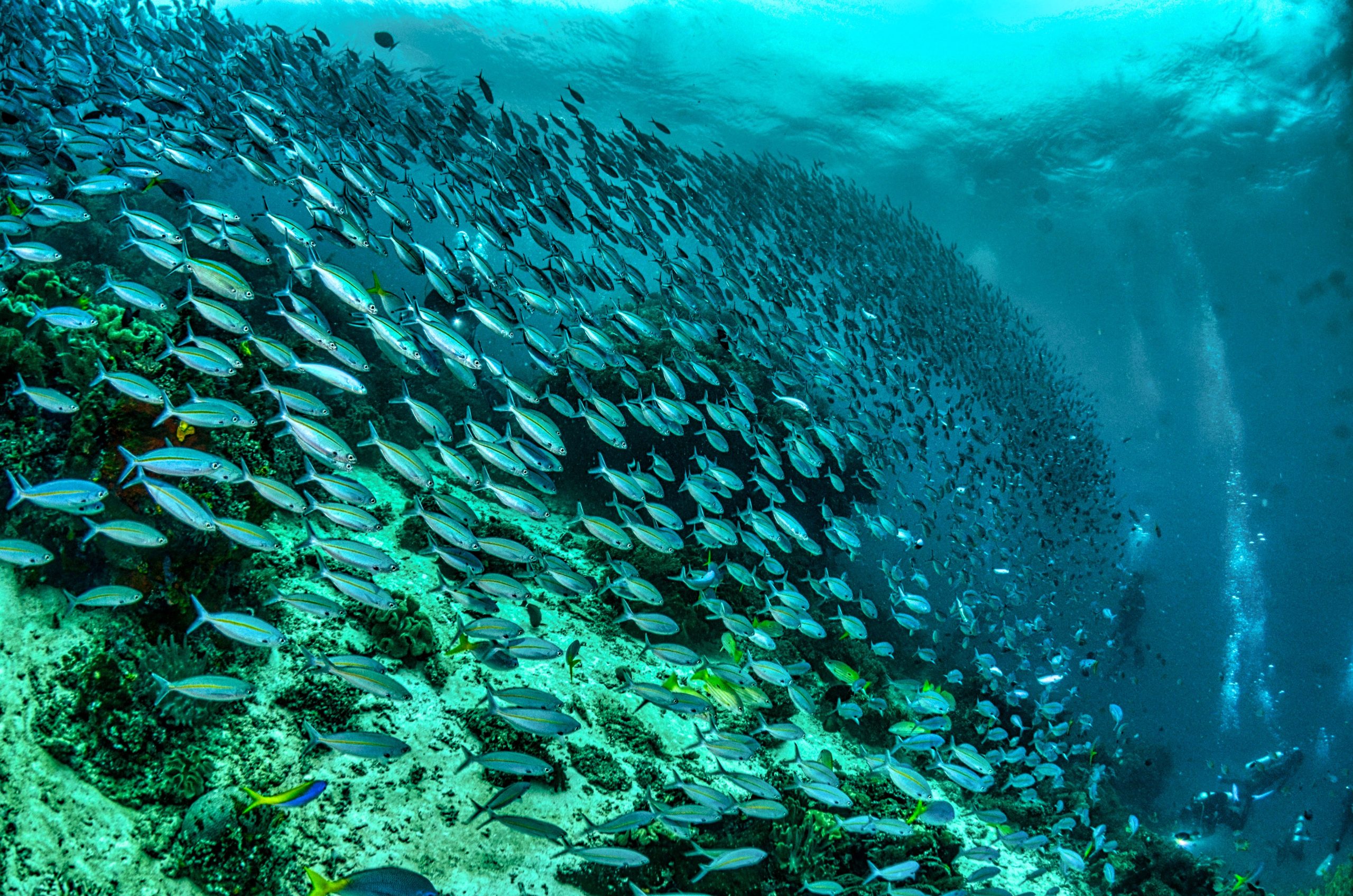
With the ever-growing threat to our oceans and marine ecosystems, understanding the frameworks that protect these vital resources is more important than ever. From international treaties to regional agreements, these frameworks play a crucial role in preserving marine biodiversity and combating threats like pollution and overfishing. Dive in to discover the top six ocean and marine life protection treaties shaping the future of our seas!
1. United Nations Convention on the Law of the Sea (UNCLOS) – Best For Global Governance
The United Nations Convention on the Law of the Sea (UNCLOS) stands as the backbone of international ocean law. Established in 1982, this treaty provides guidelines for the use of oceans and their resources, ensuring maritime rights and responsibilities among nations.
Key Features:
- Defines various maritime zones and territorial waters.
- Addresses navigation rights, resource management, and conservation.
- Facilitates dispute resolution between countries.
Pros:
- Comprehensive framework for ocean governance.
- Promotes sustainable use of ocean resources.
- Encourages international cooperation.
Cons:
- Not all countries are signatories.
- Enforcement can be challenging.
- Can be complex and lengthy in legal terms.
2. Convention on Biological Diversity (CBD) – Best For Ecosystem Protection
The Convention on Biological Diversity (CBD) is a groundbreaking treaty that emphasizes the preservation of biodiversity, including marine ecosystems. With objectives focused on sustainable development, the CBD encourages nations to create effective policies to protect marine life.
Key Features:
- Promotes conservation of marine and coastal biodiversity.
- Encourages sustainable marine resource exploitation.
- Facilitates access to genetic resources and fair sharing of benefits.
Pros:
- Addresses both terrestrial and marine biodiversity.
- Encourages public participation and awareness.
- Supports financial mechanisms for biodiversity projects.
Cons:
- Implementation can vary by country.
- Requires substantial funding for projects.
- Enforcement measures are often weak.
3. Regional Seas Programme – Best For Regional Collaboration
The Regional Seas Programme, initiated by the United Nations Environment Programme (UNEP), aims to protect the marine environment of specific regions. By fostering collaboration among countries that share marine ecosystems, it addresses regional challenges such as pollution and habitat destruction.
Key Features:
- Focuses on specific marine regions like the Mediterranean and Caribbean.
- Creates legally binding regional treaties.
- Encourages sustainable development initiatives.
Pros:
- Tailored solutions for regional issues.
- Fosters collaboration among neighboring countries.
- Enhances local capacity for marine protection.
Cons:
- Limited funding and resources.
- Varying commitment levels from countries.
- Challenges in data sharing and coordination.
4. The Paris Agreement – Best For Climate Change Mitigation
While mainly focused on climate change, the Paris Agreement significantly influences marine ecosystems. By reducing carbon emissions and limiting global warming, the treaty indirectly protects the oceans from acidification and other climate-related threats.
Key Features:
- Sets targets for reducing greenhouse gas emissions.
- Encourages nations to develop climate action plans.
- Supports climate finance and technology transfer.
Pros:
- Addresses climate change, a major threat to oceans.
- Encourages global unity and action on climate issues.
- Flexible approach for countries based on capabilities.
Cons:
- Relies on voluntary commitments from countries.
- Limited binding enforcement mechanisms.
- Progress can be slow and inconsistent.
5. Convention on International Trade in Endangered Species (CITES) – Best For Species Protection
CITES is an international agreement aimed at ensuring that international trade in wild animals and plants does not threaten their survival. This treaty plays a critical role in protecting endangered marine species from over-exploitation.
Key Features:
- Regulates trade of endangered marine species like sea turtles and sharks.
- Requires permits for international trade of listed species.
- Monitors trade statistics and health of species.
Pros:
- Helps protect threatened marine biodiversity.
- Fosters international cooperation in species protection.
- Increases awareness and advocacy for endangered species.
Cons:
- Enforcement may vary by region.
- Could hurt local economies relying on marine trade.
- Limited resources for monitoring and compliance.
6. The Ocean Conservancy’s Trash Free Seas® Program – Best For Pollution Prevention
This innovative program addresses the growing concern of marine debris, particularly plastic pollution. By mobilizing communities and advocating for policies to reduce ocean trash, the Trash Free Seas® Program aims to protect marine life from the dangers of waste.
Key Features:
- Coordinates global clean-up events to remove ocean debris.
- Advocates for policies reducing plastic usage.
- Engages communities and empowers local leaders.
Pros:
- Directly combats ocean pollution.
- Involves community engagement and education.
- Collaborates with businesses and governments for impactful change.
Cons:
- More focus on clean-up than prevention.
- Limited resources for broader systemic change.
- Progress might be slow and localized.
How to Choose the Right Framework for Marine Protection
When selecting or supporting marine protection frameworks, consider factors such as the specific threats facing marine life in your region, the level of international cooperation, and the effectiveness of enforcement mechanisms. Understanding the cultural and economic contexts of different areas can also guide which treaties or programs require more emphasis or funding.
#MarineLifeProtection #OceanConservation #SustainableOceans #MarineBiodiversity #TreatyFrameworks #ProtectOurSeas #PlasticPollutionSolutions