
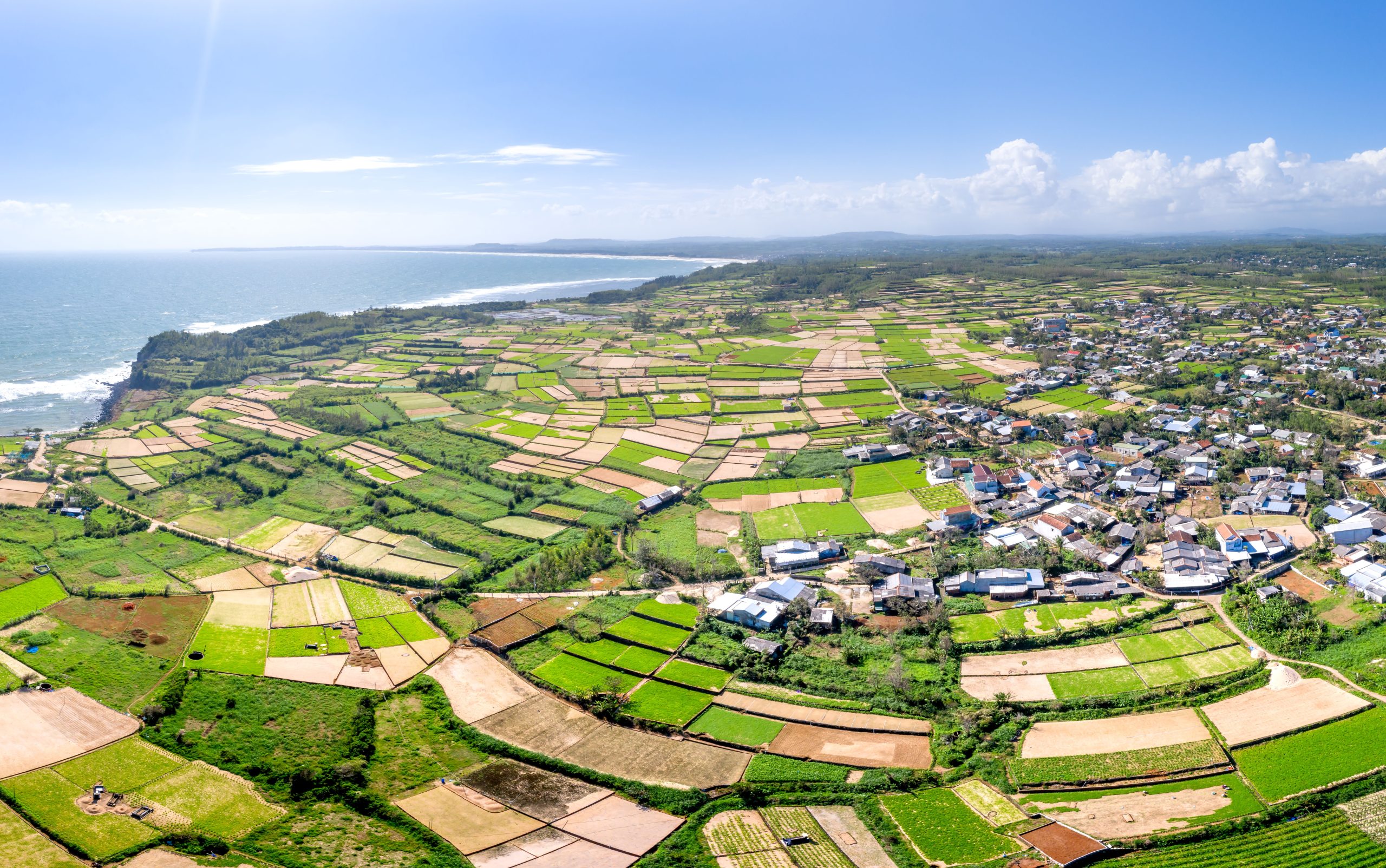
In a world increasingly challenged by climate change and food insecurity, sustainable agriculture and land use policies have never been more crucial. These strategies not only protect the environment but also enhance food security while promoting economic resilience. If you’re looking to understand how specific policies can lead to a greener future, you’ve come to the right place!
This list details the most impactful sustainable agriculture and land use policies that are making waves globally. Let’s dive in and discover how these initiatives are paving the way for a sustainable tomorrow!
1. Organic Farming Incentives – Best For Promoting Chemical-Free Agriculture
Organic farming incentives encourage farmers to adopt practices that eliminate synthetic inputs, emphasizing biodiversity and ecological balance.
Key Features:
- Financial assistance for transitioning to organic practices.
- Support for organic certification processes.
- Training and resources for sustainable farming methods.
Pros:
- Improves soil health and biodiversity.
- Reduces chemical runoff and pollution.
- Meets the growing demand for organic products.
Cons:
- Higher initial costs for farmers.
- Certification processes can be lengthy and complex.
- Market competition from conventional farms.
2. Agroforestry Programs – Best For Enhancing Crop Diversity
Agroforestry programs combine agriculture and forestry practices, promoting diversified land use while improving ecosystem services.
Key Features:
- Integration of trees into crop and livestock farming systems.
- Increased carbon sequestration capabilities.
- Incentives for sustainable land management.
Pros:
- Boosts biodiversity and soil health.
- Provides additional income from timber and non-timber products.
- Can improve resilience against climate change impacts.
Cons:
- Requires long-term planning and investment.
- Complex interactions among species need management.
- Not suitable for all geographic regions.
3. Conservation Easements – Best For Land Preservation
Conservation easements are legal agreements that restrict land development rights, ensuring ecosystem protection and biodiversity conservation.
Key Features:
- Voluntary agreements between landowners and conservation organizations.
- Tax incentives for landowners to restrict development.
- Ensures long-term protection of natural habitats.
Pros:
- Preserves wildlife habitats and open spaces.
- Offers financial benefits to landowners.
- Enhances community access to natural resources.
Cons:
- Potential limitations on landowner rights.
- Can complicate land transfer and sales.
- Initial setup can be time-consuming and complex.
4. Sustainable Irrigation Practices – Best For Water Conservation
Sustainable irrigation practices focus on efficient water management, reducing waste and ensuring that crops receive the necessary hydration without over-extraction from water sources.
Key Features:
- Implementation of drip and precision irrigation systems.
- Use of rainwater harvesting techniques.
- Training for farmers on water-efficient practices.
Pros:
- Reduces water wastage and promotes conservation.
- Increases crop yields sustainably.
- Enhances resilience against drought conditions.
Cons:
- Requires investment in technology.
- Training may be needed for effective implementation.
- Dependence on reliable water sources.
5. Crop Rotation Guidelines – Best For Soil Quality Improvement
Crop rotation guidelines encourage farmers to alternate different crops, naturally enhancing soil fertility and disrupting pest cycles.
Key Features:
- Establishing planting schedules for various crops.
- Recommending cover crops to protect soil.
- Education on pest management benefits of rotation.
Pros:
- Improves soil health and nutrients.
- Reduces reliance on chemical fertilizers.
- Enhances biodiversity in farming systems.
Cons:
- Requires planning and knowledge of crop compatibility.
- May limit short-term yield in some years.
- Labor-intensive during the transition period.
6. Integrated Pest Management (IPM) – Best For Reducing Pest Damage
Integrated Pest Management (IPM) strategies combine biological, cultural, physical, and chemical tools to minimize pest damage sustainably.
Key Features:
- Monitoring pest populations and natural enemies.
- Selective application of pesticides only when necessary.
- Encouragement of pest-resistant crop varieties.
Pros:
- Decreases chemical pesticide use.
- Protects beneficial organisms.
- Ensures safer food production practices.
Cons:
- Requires careful monitoring and assessment.
- May involve higher initial costs for management resources.
- Effectiveness can vary based on pest types.
7. Community-Supported Agriculture (CSA) – Best For Local Food Accessibility
Community-Supported Agriculture (CSA) initiatives link farmers directly with consumers, allowing communities to support local agriculture and gain access to fresh produce.
Key Features:
- Subscription-based model for regular produce delivery.
- Community engagement in farming practices.
- Educational opportunities around sustainable farming.
Pros:
- Strengthens local economies and food systems.
- Reduces carbon footprint from food transportation.
- Fosters community relationships and engagement.
Cons:
- Upfront costs for consumers.
- May involve odd produce or limited choices.
- Seasonality can affect availability.
8. Land Use Planning Regulations – Best For Urban Sustainability
Land use planning regulations guide sustainable development within urban areas, ensuring that agricultural land is preserved amidst growth pressures.
Key Features:
- Encouragement of mixed-use and green space developments.
- Protection of agricultural land through zoning regulations.
- Community input in land use decision-making.
Pros:
- Promotes balanced urban development.
- Helps maintain access to local food supplies.
- Encourages responsible use of land resources.
Cons:
- Can lead to conflicts between developers and conservationists.
- Implementation may vary across regions.
- Requires ongoing community and political support.
How to Choose the Right Policy for Your Needs
When selecting sustainable agriculture and land use policies, consider the specific objectives you aim to achieve, the local environmental context, and community needs. Evaluate the potential economic impacts and the technical support available for implementation. Collaborating with local stakeholders and experts can enhance the effectiveness of these policies.
#SustainableAgriculture #LandUsePolicy #EcoFriendlyFarming #FoodSecurity #GreenFuture #Agroforestry #OrganicFarming #CommunitySupportedAgriculture