
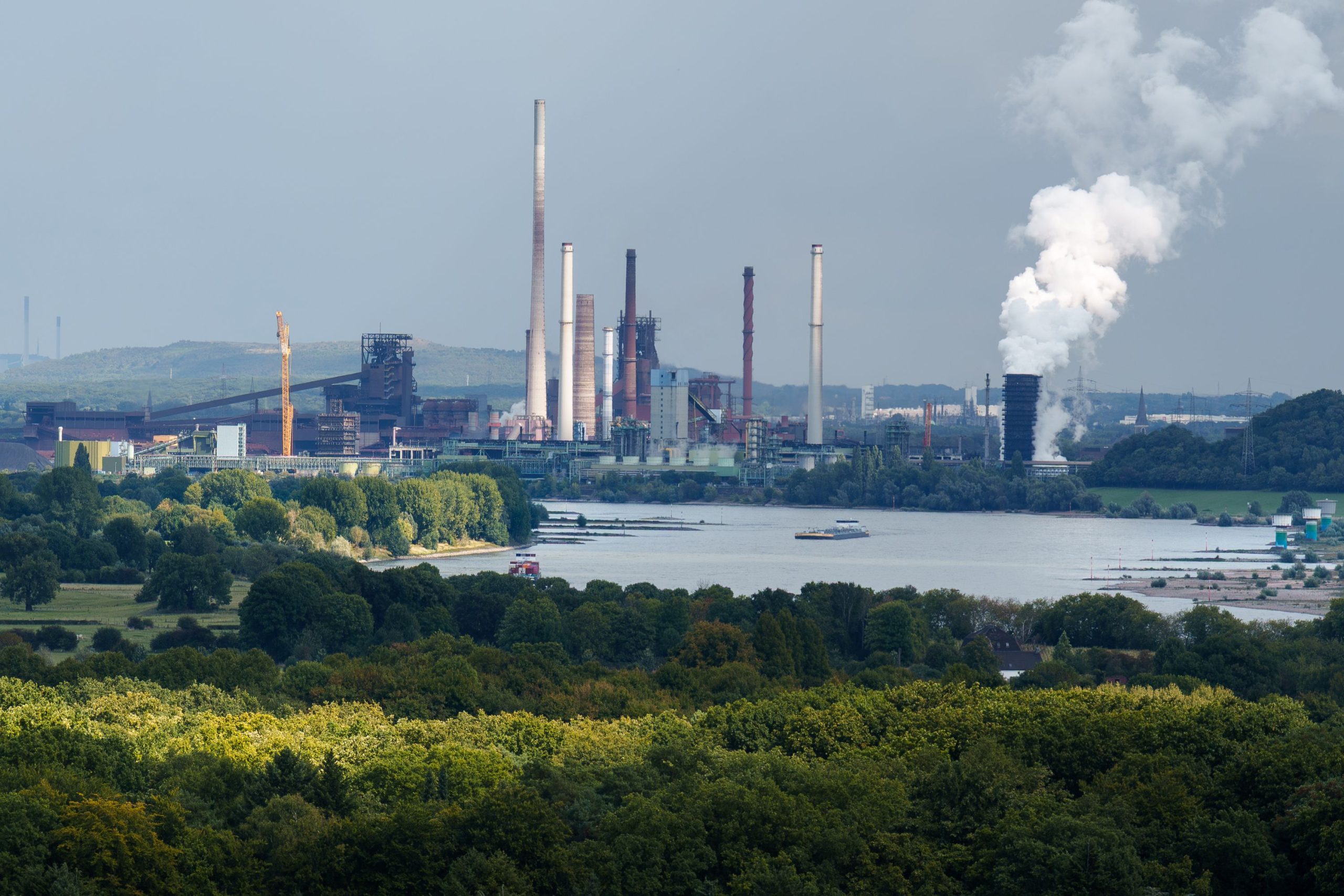
In today’s world, maintaining air quality in industrial zones is critical for both environmental sustainability and public health. With rising pollution levels, industries must adhere to strict air quality regulation standards to mitigate health risks. Understanding these standards is not just vital for compliance, but also essential for fostering a healthier environment.
This article highlights the top five air quality regulation standards that industrial zones must follow, ensuring you stay informed about best practices and are equipped with the knowledge necessary to advocate for cleaner air standards.
1. National Ambient Air Quality Standards (NAAQS) – Best for Comprehensive Protection
The NAAQS, established by the Clean Air Act, sets limits on six major pollutants to protect public health and the environment. These standards are crucial for industrial zones as they ensure that air quality does not pose health risks to nearby communities.
Key Features:
- Established limits on pollutants like PM2.5, ozone, and sulfur dioxide.
- Regularly reviewed and updated based on scientific research.
- Applicable across a variety of geographical areas and industrial sectors.
Pros:
- Protects public health and the environment.
- Encourages industries to improve emissions control technologies.
- Offers communities a voice in air quality monitoring and reporting.
Cons:
- Compliance can be costly for small industries.
- Strict regulations may limit industrial growth in some areas.
2. Occupational Safety and Health Administration (OSHA) Standards – Best for Worker Safety
OSHA standards focus on protecting workers from hazardous air pollutants in industrial environments. These regulations are essential for ensuring that employees are not exposed to dangerous levels of toxic substances during their work.
Key Features:
- Limits permissible exposure levels for various workplace pollutants.
- Employers are required to monitor air quality regularly.
- Offers training requirements for workers to handle hazardous materials safely.
Pros:
- Improves workplace health and safety.
- Reduces the risk of workplace-related illnesses.
- Fosters a culture of safety within industrial workplaces.
Cons:
- Requires ongoing compliance costs for monitoring and training.
- Periodic inspections can disrupt operational flow.
3. European Union (EU) Ambient Air Quality Directive – Best for International Standards
The EU Ambient Air Quality Directive provides a comprehensive framework for air quality management within European member states. This directive establishes common standards that industrial zones must comply with, promoting cleaner air across regions.
Key Features:
- Sets strict limits on air pollutants, including nitrogen dioxide and particulate matter.
- Mandatory air quality assessments conducted every five years.
- Encourages public access to air quality information.
Pros:
- Promotes harmonization of air quality standards across Europe.
- Empowers citizens with information about air quality in their areas.
- Supports innovation in pollution control technologies.
Cons:
- Compliance may be more stringent than in other regions, impacting businesses.
- Implementation can vary significantly among member states.
4. State Implementation Plans (SIPs) – Best for Localized Solutions
SIPs are state-level plans required by the EPA to ensure compliance with national air quality standards. They are tailored to local conditions, making them an essential aspect of air quality management in industrial zones.
Key Features:
- Customizable strategies that address specific air quality problems in each state.
- Involves public participation in the development and review process.
- Regular updates to reflect changes in emissions and technology.
Pros:
- Addresses local air quality issues effectively.
- Encourages community involvement and public awareness.
- Provides a framework for achieving state-specific goals.
Cons:
- Can lead to inconsistencies between state plans.
- Requires continuous evaluation to remain effective.
5. ISO 14001 Environmental Management System – Best for Continuous Improvement
ISO 14001 provides a framework for organizations to manage their environmental responsibilities, including air quality management. Adopting this standard helps industrial zones achieve continual environmental improvement through systematic processes.
Key Features:
- Framework for establishing an effective environmental management system.
- Focus on compliance with legal and regulatory requirements.
- Encourages proactive measures for environmental risk management.
Pros:
- Enhances company reputation and stakeholder trust.
- Promotes operational efficiency and cost savings.
- Fosters a sustainable corporate culture.
Cons:
- Initial certification costs can be high for smaller organizations.
- Requires regular audits and updates to maintain certification.
How to Choose the Right Air Quality Regulation Standard
When selecting an air quality regulation standard for your industrial zone, consider the specific pollutants you need to manage, the size and scale of your operations, and the local environmental context. It’s essential to assess both compliance costs and potential health impacts to determine which standards will be most beneficial for your operations and community.
#AirQuality #IndustrialStandards #PollutionControl #Sustainability #EnvironmentalManagement #CleanAir #OSHA #NAAQS