
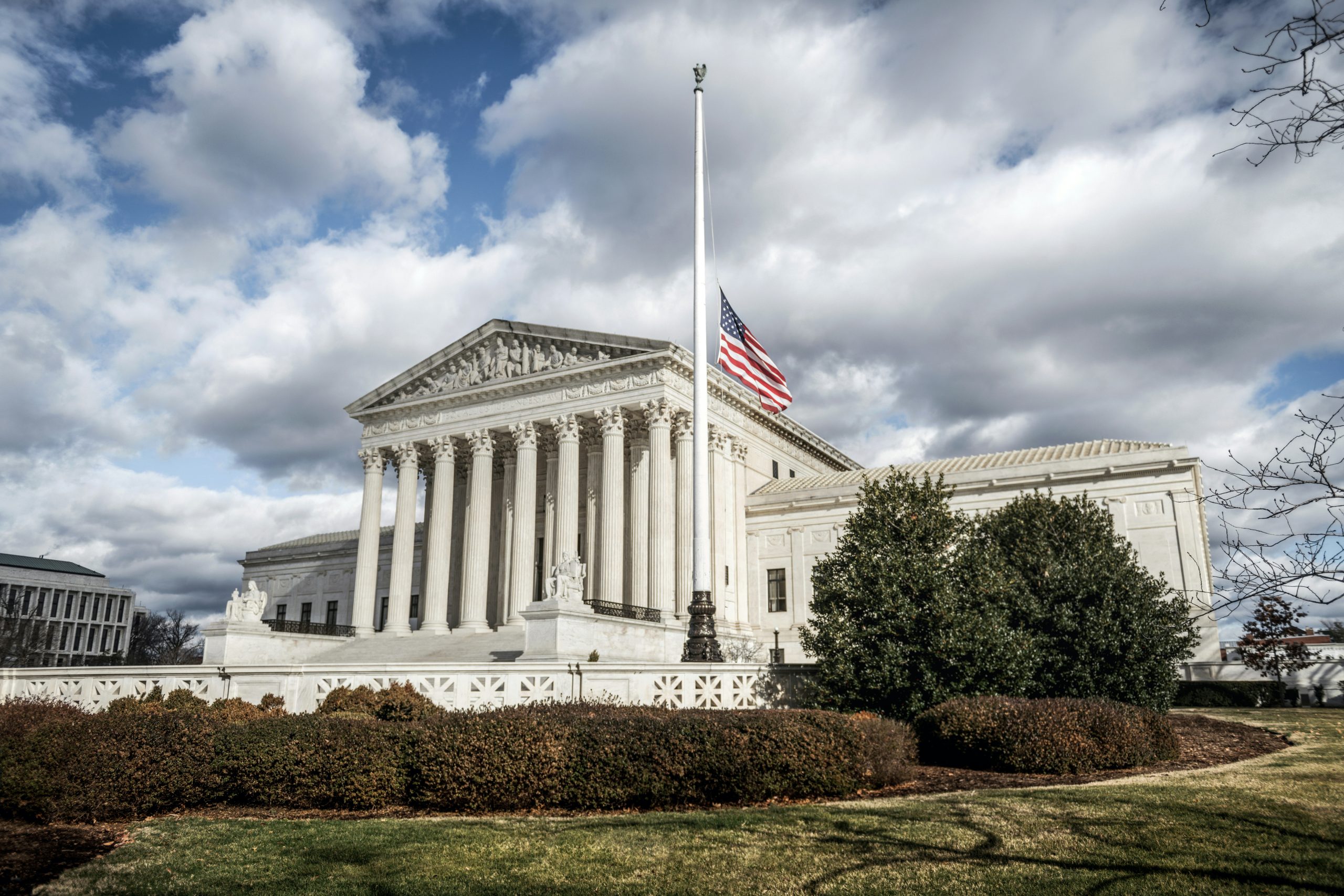
As the world increasingly values the importance of free speech, the need for robust legal defense frameworks has never been more crucial. These frameworks help protect individuals advocating for their rights and beliefs, even in the face of opposition. Whether you are a journalist, activist, or simply a passionate citizen, understanding the legal defenses available to support freedom of expression is vital.
In this article, we’ll explore the top ten legal defense frameworks that empower individuals and organizations to stand up for their right to express themselves freely. Let’s dive in!
1. The First Amendment (USA) – Best For Absolute Protection
The First Amendment of the U.S. Constitution guarantees the right to freedom of speech, press, assembly, and petition. This framework is the bedrock of American civil liberties, ensuring individuals can freely express their thoughts without government interference.
Key Features:
- Prohibits Congress from making laws that infringe on free speech.
- Protects various forms of expression, including art and media.
- Facilitates public discourse and differing viewpoints.
Pros:
- Robust protection against censorship.
- Endorses diverse opinions and expressions.
- Strong judicial enforcement via the Supreme Court.
Cons:
- Limited protection in instances of hate speech.
- Government exceptions often diminish applicability.
- Requires ongoing court challenges to expand protections.
2. Article 19 of the Universal Declaration of Human Rights – Best For Global Coverage
Article 19 emphasizes the universal right to freedom of opinion and expression globally. Its framework has been adopted by many nations, promoting a worldwide standard for free speech.
Key Features:
- Affirms everyone’s right to seek, receive, and impart information.
- Serves as a foundation for human rights organizations worldwide.
- Fosters a cooperative international approach to freedom of expression.
Pros:
- Compels countries to uphold human rights laws.
- Encourages accountability for violations.
- Provides a global platform for advocacy.
Cons:
- Implementation varies widely between nations.
- Lack of enforcement mechanisms leads to ambiguity.
- May be overlooked by oppressive regimes.
3. ECHR Article 10 – Best For European Protection
The European Convention on Human Rights (ECHR) Article 10 protects freedom of expression across Europe by establishing that everyone has the right to hold opinions and communicate ideas without interference.
Key Features:
- Applies to any form of expression, including online communication.
- Involves the European Court of Human Rights for dispute resolution.
- Encourages member states to foster free expression environments.
Pros:
- Strong legal backing from the ECHR.
- Residential protections for journalists and activists.
- Boosts public debate across member states.
Cons:
- Requires extensive legal knowledge to navigate.
- Implementation can be inconsistent.
- National interests may clash with regional rulings.
4. African Charter on Human and Peoples’ Rights – Best For African Context
This charter offers a comprehensive framework for protecting human rights, including freedom of expression, across African nations. It emphasizes cultural and collective rights alongside individual liberties.
Key Features:
- Recognizes freedom of expression within a cultural context.
- Encourages accountability for governments violating rights.
- Supports the development of communication infrastructures.
Pros:
- Consideration for regional cultural nuances.
- Encourages community-level ownership of rights.
- Facilitates regional solidarity for free speech.
Cons:
- Governments may selectively enforce it.
- Challenges persist in lack of resources for implementation.
- Inconsistent regional cooperation can hinder progress.
5. Canadian Charter of Rights and Freedoms – Best For Comprehensive Protection
This charter guarantees freedom of thought, belief, opinion, and expression. It serves as a powerful shield against arbitrary government restrictions, promoting a vibrant democratic dialogue.
Key Features:
- Comprehensive coverage of free speech rights.
- Protection for various forms of expression, including art.
- Explicit recognition of the right to peaceful assembly.
Pros:
- Highly enforceable in Canadian courts.
- Strong public support for civil liberties.
- Encourages social movements and activism.
Cons:
- Judicial interpretations may limit protections.
- Provincial regulations can create inconsistencies.
- Some areas of free speech remain contentious.
6. The Delhi Declaration on Freedom of Expression – Best For South Asia
This declaration focuses on ensuring freedom of expression within the South Asian region, aiming to create a collaborative environment to enhance press freedoms and citizen rights.
Key Features:
- Brings together various stakeholders to promote free speech.
- Aims to unify laws within South Asian nations.
- Encourages the protection of journalists.
Pros:
- Fosters regional cooperation among nations.
- Provides a foundational legal structure.
- Elevates discussions on common concerns.
Cons:
- Lack of enforcement mechanisms can hinder impact.
- Political differences may stall collaboration.
- Implementation is reliant on national governments.
7. Inter-American Convention on Human Rights – Best For Latin America
This convention aims to promote and protect human rights and fundamental freedoms in the Americas, with a particular emphasis on freedom of expression as a critical right.
Key Features:
- Promotes international oversight of freedom of expression.
- Emphasizes accountability for governments limiting rights.
- Facilitates dialogue on human rights violations.
Pros:
- Supports regional human rights organizations.
- Provides avenues for redress and accountability.
- Strengthens citizen rights across member states.
Cons:
- Enforcement relies on voluntary compliance.
- Variation in national laws can limit effectiveness.
- Political will is necessary for progress.
8. The Freedom of Information Act (USA) – Best For Transparency
The Freedom of Information Act (FOIA) allows citizens to request access to federal agency records, ensuring government transparency and accountability throughout the U.S.
Key Features:
- Empowers the public to access government information.
- Includes exceptions to protect sensitive information.
- Encourages civic involvement and public scrutiny.
Pros:
- Enhances governmental transparency.
- Supports investigative journalism and research initiatives.
- Accessible to all citizens.
Cons:
- Process can be lengthy and bureaucratic.
- Exemptions can lead to denied requests.
- Underutilization by the public.
9. The Digital Millennium Copyright Act (DMCA) – Best For Online Expression
The DMCA safeguards both copyright holders and users of online platforms, balancing rights and enabling free expression within the digital landscape.
Key Features:
- Establishes a framework for copyright enforcement online.
- Protects users from unwarranted takedowns.
- Encourages responsible sharing and creative content development.
Pros:
- Promotes a fair balance between copyright and free expression.
- Fosters innovation in digital content.
- Offers legal recourse for content creators.
Cons:
- May still lead to abuse and overreach in copyright claims.
- Complex legal requirements can intimidate users.
- Unclear guidelines can create confusion.
10. The Right to Information Act (India) – Best For Empowering Citizens
The Right to Information Act in India empowers citizens to seek information from public authorities, reinforcing accountability and fostering a culture of transparency in governance.
Key Features:
- Empowers citizens to request information from public officials.
- Mandates timely responses from authorities.
- Promotes active citizen engagement in governance.
Pros:
- Boosts democracy by enhancing transparency.
- Enables informed citizenry and public participation.
- Supports public watchdog systems.
Cons:
- Officials may resist disclosure.
- Misuse can occur in sensitive cases.
- Potential for bureaucratic delays.
How to Choose the Right Legal Defense Framework
Selecting the appropriate legal defense for freedom of expression largely depends on your location, specific needs, and the context of the expression in question. Consider the following:
- Assess the legal protections available in your country or region.
- Understand the scope and limitations of each framework.
- Determine the specific needs for expression—whether artistic, political, or journalistic.
Stay informed and vigilant to ensure your voice is heard and protected!
#FreedomOfExpression #LegalFramework #HumanRights #PressFreedom #CivilLiberties #Advocacy #DigitalRights #SocialJustice