
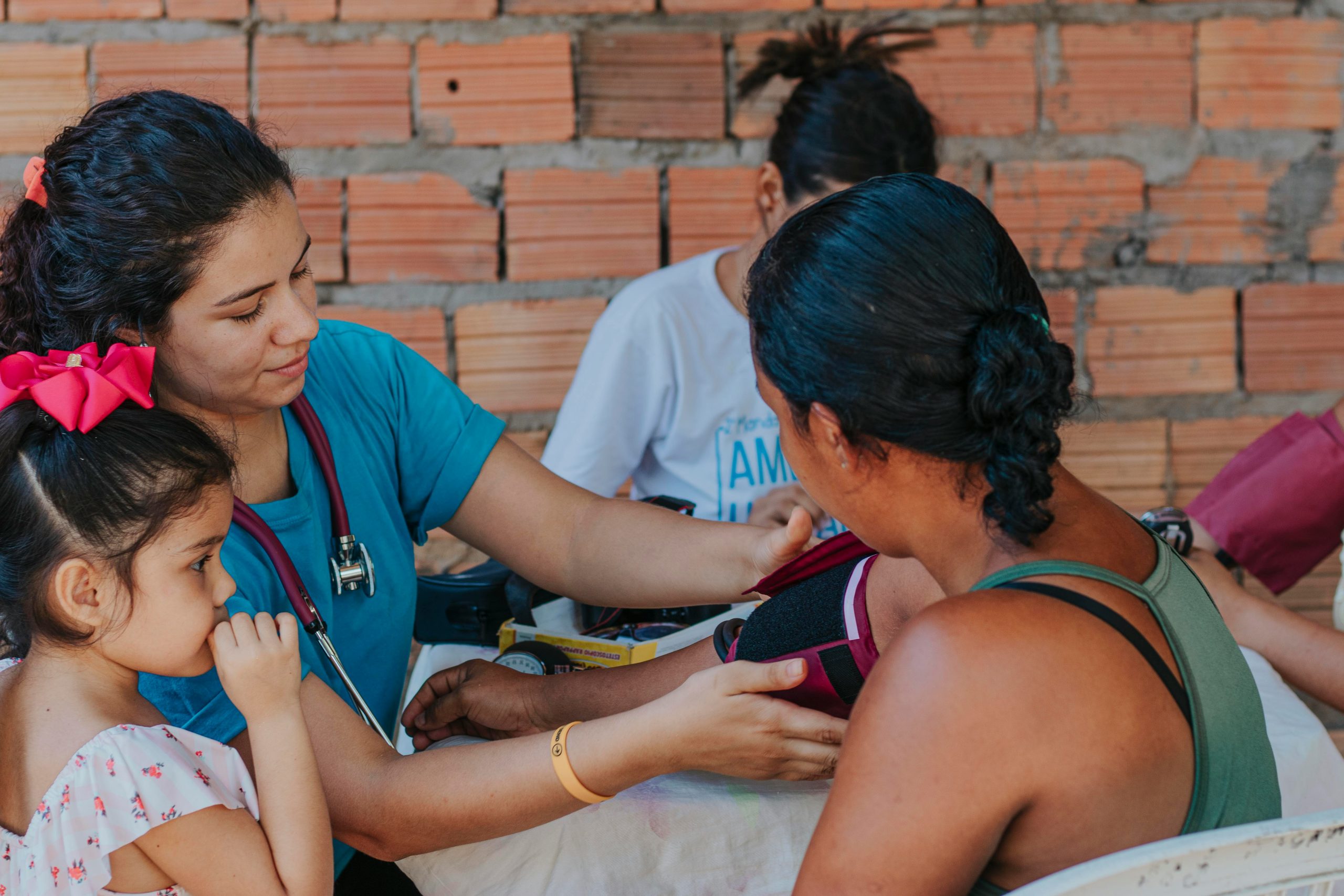
Maternal and child health is crucial for building a healthier society, yet millions worldwide still lack access to vital care. Innovative policy initiatives are making a significant impact, improving outcomes for mothers and children everywhere. This list highlights the most effective programs that prioritize healthcare for women and children, aiming for healthier futures.
From expanding healthcare access to enhancing education and support services, these initiatives are setting new standards in maternal and child health. Dive into these standout policies that are changing lives and paving the way for future generations.
1. The Maternal and Child Health Services Block Grant – Best For Funding Local Health Programs
This initiative allocates federal funds to states, enabling them to create tailored maternal and child health programs that address specific community needs.
Key Features:
- Flexibility in funding allocation.
- Focus on community-based programs.
- Emphasis on preventive services.
Pros:
- Enhances local healthcare response.
- Encourages community involvement.
- Targets high-risk populations effectively.
Cons:
- Funding can be inconsistent.
- Limited by state budgets.
- Requires strong local leadership.
2. The Nurse-Family Partnership – Best For First-Time Mothers
This evidence-based program connects low-income first-time mothers with registered nurses who provide home visits, offering guidance and support throughout pregnancy and early parenthood.
Key Features:
- Personalized prenatal and child care education.
- Long-term support through infancy.
- Focus on improving maternal and child health outcomes.
Pros:
- Reduces preterm births and improves child health.
- Empowers mothers through education.
- Strengthens family bonds.
Cons:
- Limited to eligible participants.
- Requires adequate funding and staffing.
- Potential stigma for participants.
3. WIC Program (Women, Infants, and Children) – Best For Nutritional Support
The WIC program provides resources for low-income pregnant women, new mothers, and young children, ensuring access to nutritious food and education about healthy habits.
Key Features:
- Nutritional education and counseling.
- Access to food vouchers and resources.
- Collaboration with healthcare providers.
Pros:
- Immediate nutritional support.
- Improves pregnancy outcomes.
- Supports breastfeeding initiatives.
Cons:
- Eligibility criteria can be strict.
- Limited resources in some areas.
- Potential administrative hurdles.
4. Community Health Worker Initiatives – Best For Local Health Engagement
Community health workers play a vital role in bridging gaps in healthcare by providing education, support, and navigation help for families, focusing on underserved populations.
Key Features:
- Peer-based support systems.
- Accessibility within communities.
- Focus on preventive care and education.
Pros:
- Builds trust within communities.
- Increases healthcare access.
- Adaptable to local needs.
Cons:
- Needs strong training and support.
- Funding can be sporadic.
- Requires community buy-in.
5. Telehealth Services for Maternal Care – Best For Accessibility
Telehealth innovations have made it possible for expectant mothers to access medical advice and care from the comfort of their homes, significantly improving access to prenatal and postnatal services.
Key Features:
- Remote consultations with healthcare professionals.
- Increased flexibility in appointment scheduling.
- Integration with digital health tools.
Pros:
- Reduces travel strain for mothers.
- Improves follow-up care accessibility.
- Encourages regular monitoring.
Cons:
- Requires reliable internet access.
- Some services may not be covered by insurance.
- Potential technical difficulties.
6. The Baby-Friendly Hospital Initiative – Best For Breastfeeding Support
This global initiative promotes breastfeeding as the healthiest option for infants, supporting hospitals in adopting practices that facilitate breastfeeding and maternal education.
Key Features:
- Ten Steps to Successful Breastfeeding.
- Staff training and education.
- Family-centered care practices.
Pros:
- Boosts breastfeeding rates significantly.
- Improves infant health outcomes.
- Enhances maternal confidence.
Cons:
- Requires commitment from healthcare staff.
- Not all facilities are qualified.
- Possible pushback from formula companies.
7. Safe Motherhood Programs – Best For Improving Maternal Health Standards
Targeting high maternal mortality rates, these programs implement policies for safe pregnancy and delivery, focusing on emergency medical care for mothers and outreach services.
Key Features:
- Education on maternal health risks.
- Access to emergency obstetric care.
- Advocacy for women’s health rights.
Pros:
- Directly targets preventable maternal deaths.
- Empowers women and communities.
- Increases awareness and education.
Cons:
- Requires long-term funding and commitment.
- Implementation can be challenging in rural areas.
- Dependency on local healthcare systems.
8. Global Health Initiatives – Best For International Collaboration
Global health initiatives foster partnerships among countries to address maternal and child health on a worldwide scale, sharing best practices and resources for enhanced care delivery.
Key Features:
- International collaboration and funding.
- Focus on best practices and knowledge sharing.
- Crisis response for maternal and child health issues.
Pros:
- Strengthens global health systems.
- Facilitates exchange of resources and information.
- Adds a layer of accountability among countries.
Cons:
- Coordination can be complex.
- Varied health systems can lead to inequities.
- Dependency on international support.
How to Choose the Right Initiative for Your Community
When selecting the best maternal and child health initiative for your community, consider the specific needs of the population, available resources, and the potential for sustainable impact. Implementing initiatives that foster community involvement and address prevalent issues can lead to more effective and lasting change.
#MaternalHealth #ChildHealth #HealthInitiatives #WomenEmpowerment #GlobalHealth #CommunityHealth #BreastfeedingSupport #PublicHealth