
Are you ready to explore the fascinating world of chemistry through some jaw-dropping demonstrations? These top five chemistry experiments not only illustrate extraordinary chemical reactions but also make learning engaging and fun. Perfect for classrooms or home experiments, these demos will leave you amazed and inspired!
From explosive reactions to color changes, each demonstration showcases the magic of chemistry in a unique way. Get your lab coats ready, and let’s dive into the most astonishing chemistry displays!
1. The Elephant Toothpaste – Best For A Spectacular Foamy Eruption
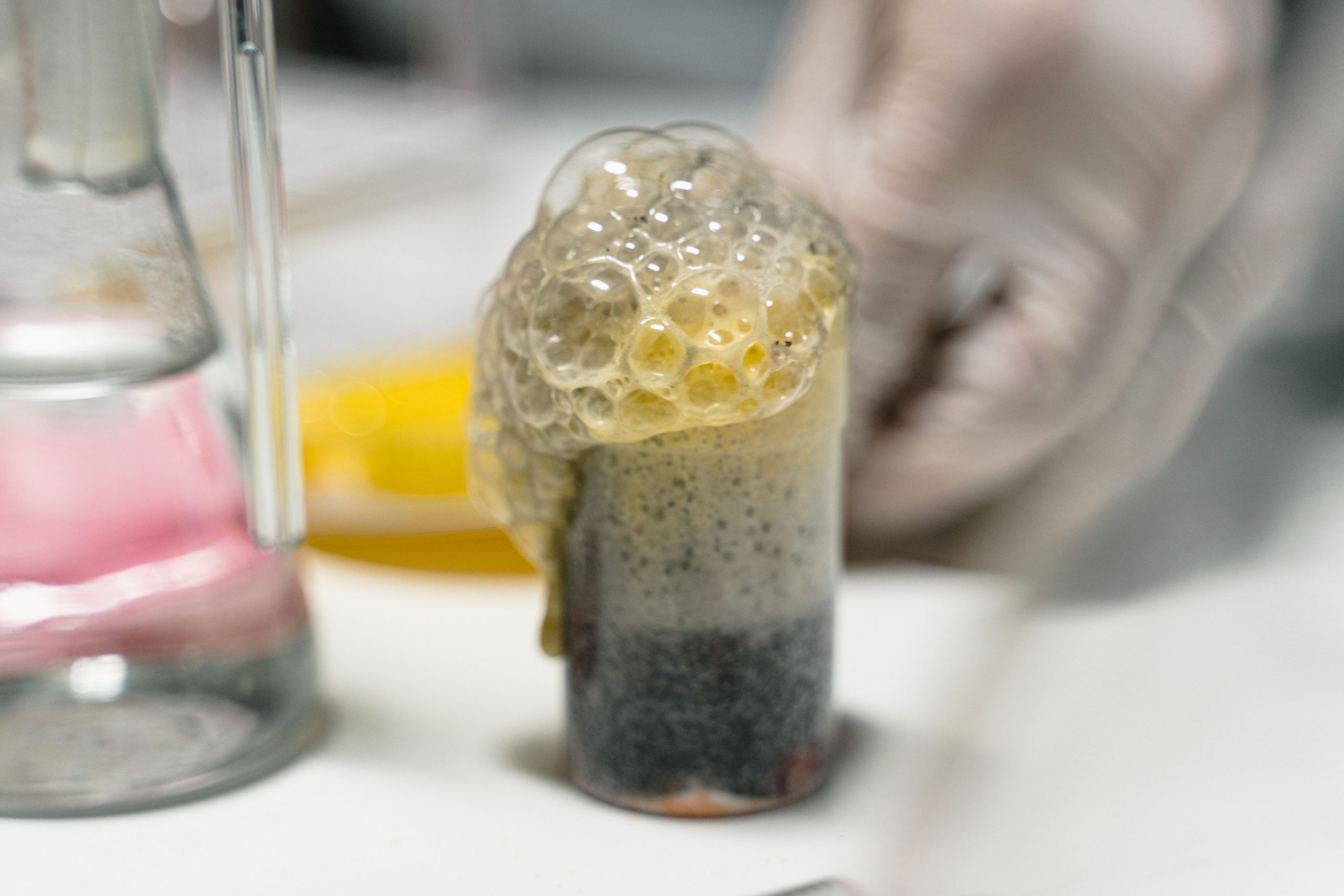
This classic demonstration is a must-see! When hydrogen peroxide is combined with yeast or potassium iodide, it produces a large, foamy eruption resembling toothpaste large enough for an elephant!
Key Features:
- Rapid decomposition of hydrogen peroxide
- Vivid color changes with food coloring
- Safe and easy setup
Pros:
- Visually stunning
- Engages audiences, especially children
- Teaches basics of catalysts and exothermic reactions
Cons:
- Requires careful handling of hydrogen peroxide
- Can get messy
- Needs preparation time for setup
2. The Color-Changing Cabbage – Best For Visualizing pH Levels
This vibrant demonstration utilizes red cabbage juice as a natural pH indicator. As you add different substances, watch in awe as the colors change! This experiment is perfect for illustrating acid-base reactions.
Key Features:
- Uses safe, household ingredients
- Highlights pH shifts with dramatic color changes
- Educational and easy to replicate
Pros:
- Inexpensive and easy to find materials
- Great for classroom activities
- Visually appealing
Cons:
- Requires time to extract juice properly
- Less dramatic than other demonstrations
- Results can vary with cabbage types
3. The Baking Soda and Vinegar Volcano – Best For Classic Reaction
This all-time favorite never gets old! The reaction between baking soda and vinegar creates an impressive eruption of bubbles, making it an exciting demonstration for all ages.
Key Features:
- Safe and easy-to-execute
- Illustrates acid-base reactions clearly
- Customizable volcano designs
Pros:
- Simple ingredients
- Can be made visually appealing
- Perfect for hands-on learning
Cons:
- May not be as surprising for frequent viewers
- Some odor from vinegar
- Can foam too quickly, creating a mess
4. The Fireproof Balloon – Best For Surprising Thermal Properties
This outstanding demonstration debunks the myth that all balloons pop when exposed to fire. When filled with water, a balloon can withstand flames, showcasing heat absorption effectively.
Key Features:
- Combines chemistry and physics principles
- Eye-opening demonstration
- Uses simple materials
Pros:
- Safe with adult supervision
- Captivating surprise for viewers
- Encourages discussions about states of matter
Cons:
- Requires careful handling to avoid burns
- Not ideal for large groups
- Preparation time to fill balloons with water
5. The Magic of Metal Displacement – Best For A Stunning Visual Transformation
This experiment involves placing a metal, such as copper, into a silver nitrate solution to witness the stunning transition from clear to vibrant blue. A captivating way to introduce the concept of chemical reactions!
Key Features:
- Demonstrates a clear chemical transformation
- Involves common laboratory chemicals
- Illuminates the continuity of chemical processes
Pros:
- Exciting visual effects
- Great discussion starting point for reactions
- Clear demonstration of displacement reactions
Cons:
- Requires careful chemical handling
- Not suitable for unsupervised settings
- Materials can be costly
How to Choose the Best Chemistry Demonstration for You
When selecting a chemistry demonstration, consider your audience and their age group. Safety is key, so always have proper supervision and materials ready. Ensure the reactions are visible and engaging to keep the learners’ attention. Finally, adapt the complexity of the experiment to match the educational goals you intend to achieve.
#ChemistryExperiments #ScienceDemonstrations #STEMEducation #CoolReactions #EducationalExperiments #FunWithChemistry #LearningScience