
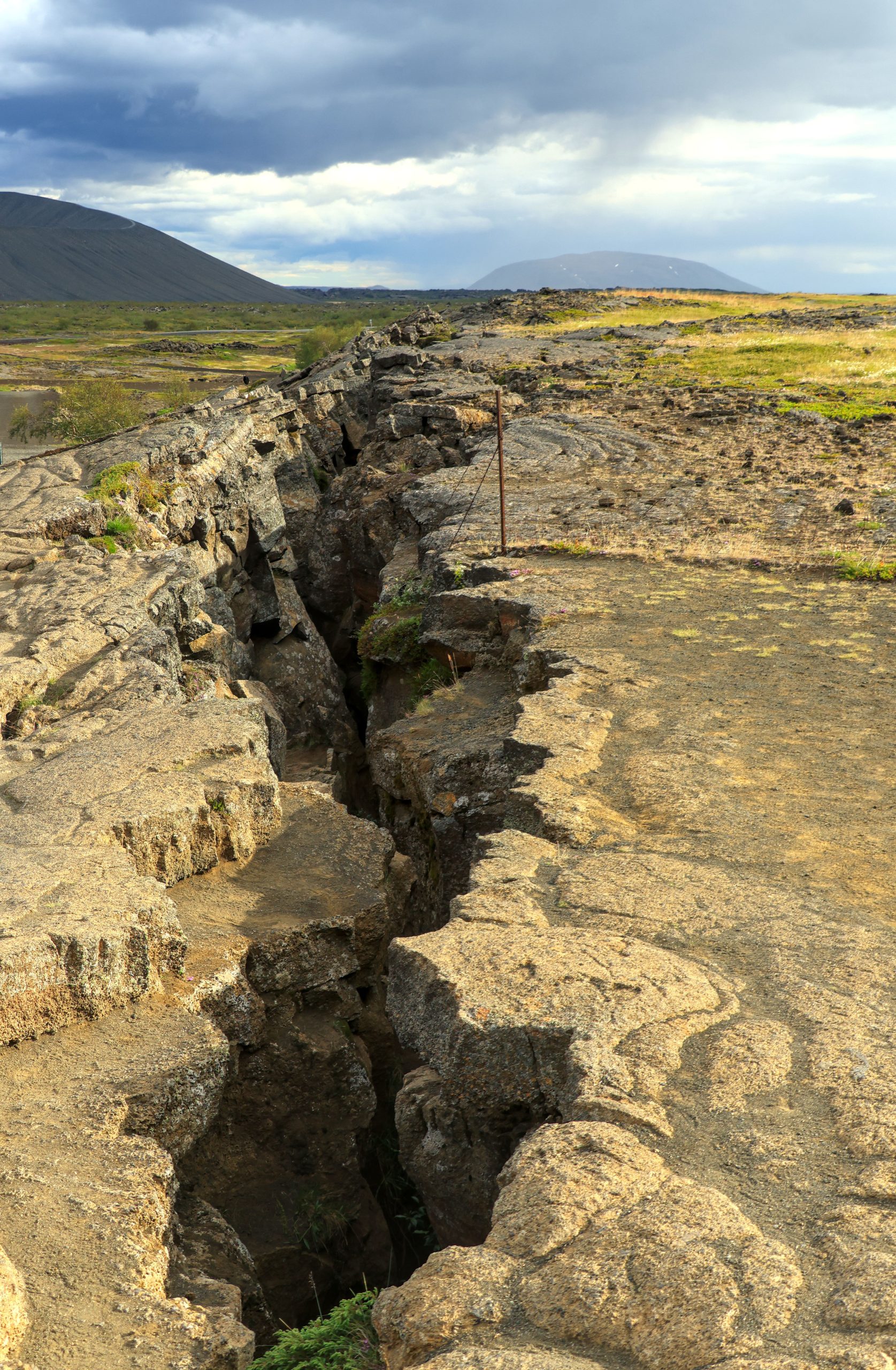
Are you fascinated by the dynamic processes that shape our planet? Plate tectonics is a thrilling subject that explains earthquakes, mountain formation, and volcanic activity! Dive into these amazing facts to deepen your understanding of Earth’s structure and its ever-changing landscape.
Whether you’re a student or simply a curious mind, this list of the top ten earth science facts about plate tectonics will not only educate but also inspire you to appreciate the forces at work beneath your feet.
1. The Earth’s Lithosphere is Divided into Tectonic Plates – Fundamental to Geology
The lithosphere, which makes up the Earth’s outer shell, is divided into tectonic plates that float on the semi-fluid asthenosphere below. This division is crucial for understanding geologic activities on Earth.
Key Features:
- Composed of the crust and upper mantle.
- About 15 major tectonic plates are recognized.
- Plates vary in size and shape.
Pros:
- Explains continental drift.
- Helps forecast earthquakes.
- Foundation for geology and earth sciences.
Cons:
- Concept can be complex for beginners.
- Requires understanding of various geological terms.
2. The Movement of Tectonic Plates Can Cause Earthquakes – Powerful and Destructive
Shifts in tectonic plates create stress underground, which can result in earthquakes. Understanding this relationship is vital for preparing for seismic events.
Key Features:
- Plate interactions generate seismic waves.
- Magnitude varies based on stress release.
- Most earthquakes occur at plate boundaries.
Pros:
- Informs building codes and safety measures.
- Enhances prediction models.
- Raises awareness of geological hazards.
Cons:
- Predicting exact timing remains challenging.
- Not all earthquakes are linked to plate movements.
3. There Are Three Types of Plate Boundaries – Distinct Interactions
Plate boundaries interact in different ways—divergent, convergent, and transform. Each type plays a significant role in Earth’s geology.
Key Features:
- Divergent boundaries lead to new crust formation.
- Convergent boundaries can create mountains or trenches.
- Transform boundaries slide past each other.
Pros:
- Informs geological processes and landscape features.
- Encourages further research in geology.
- Helps understand volcanic activity locations.
Cons:
- Can be confusing without visual aids.
- Requires extensive study for full comprehension.
4. The Ring of Fire is a Volcanic Zone – A Hotspot of Activity
The Ring of Fire encircles the Pacific Ocean and is known for its high level of tectonic activity, including numerous volcanoes and earthquakes, making it one of the most studied areas in earth science.
Key Features:
- Houses about 75% of the world’s volcanoes.
- Home to major earthquakes.
- Active due to convergent and transform boundaries.
Pros:
- Facilitates volcanic research and monitoring.
- Enhances understanding of disaster preparedness.
- Offers insight into Earth’s history.
Cons:
- Can pose risks to nearby populations.
- Complexity of interactions can be overwhelming.
5. Oceanic and Continental Crust are Different – Characteristics Matter
Oceanic crust is thinner and denser compared to continental crust, influencing how tectonic plates behave during interactions and impacting geological structures.
Key Features:
- Oceanic crust is primarily basalt.
- Continental crust is generally granite.
- Thickness varies significantly between types.
Pros:
- Explains landform creation.
- Assists in understanding oceanic processes.
- Provides context for mineral resources.
Cons:
- Differences can lead to misconceptions.
- Needs visual aids for clear comprehension.
6. Tectonic Plates Move at a Few Centimeters Each Year – Gradual Yet Powerful
The movement of tectonic plates is slow, averaging a few centimeters each year, yet these gradual changes lead to significant geological events over time.
Key Features:
- Rates vary by plate.
- Movement is driven by mantle convection.
- Can be measured using GPS technology.
Pros:
- Helpful for studying geological timelines.
- Aids in understanding ocean floor spreading.
- Facilitates disaster preparedness plans.
Cons:
- Slow pace can be misleading; not always intuitive.
- Long-term effects can be hard to visualize.
7. Plate Tectonics Affects Climate – A Surprising Connection
Plate tectonics not only shapes Earth’s surface but also influences climate patterns over geological time scales by affecting ocean currents and atmospheric circulation.
Key Features:
- Continental positions impact climate zones.
- Mountain ranges can alter wind patterns.
- Volcanic eruptions can affect global temperatures.
Pros:
- Promotes further climate research.
- Links geology and atmospheric science.
- Helps explain historical climate shifts.
Cons:
- Complex interactions can be difficult to trace.
- Requires a broad understanding of multiple disciplines.
8. Fossils Provide Evidence of Past Plate Movements – Unlocking History
The distribution of fossils across continents provides crucial evidence supporting the theory of plate tectonics, showing how continents were once joined.
Key Features:
- Similar species found on distant continents.
- Fossil records indicate past climates.
- Helps trace continental drift over time.
Pros:
- Strengthens the scientific basis for plate tectonics.
- Encourages paleontological studies.
- Enhances public interest in earth sciences.
Cons:
- Fossil interpretations can be subjective.
- Incomplete records may mislead conclusions.
9. The Himalayas Were Formed By Plate Collision – A Spectacular Example
The breathtaking Himalayan mountain range was born from the collision of the Indian and Eurasian plates, showcasing the dramatic effects of plate tectonics.
Key Features:
- Ongoing uplift continues to change the landscape.
- Mount Everest is the tallest peak formed from this collision.
- Active seismic activity in the region.
Pros:
- Excellent case study for geology enthusiasts.
- Encourages tourism and scientific interest.
- Vital for local ecology and climate.
Cons:
- Stresses local populations during earthquakes.
- Climate impacts can affect glaciers and water supply.
10. The Theory of Plate Tectonics Was Developed in the 20th Century – An Evolution of Ideas
Initially proposed in the early 1900s, the theory of plate tectonics gained acceptance in the 1960s, revolutionizing our understanding of Earth’s geology.
Key Features:
- Replaced the earlier theory of continental drift.
- Combines studies from geology, oceanography, and seismology.
- Encourages interdisciplinary research.
Pros:
- Provides a comprehensive framework for Earth science.
- Inspires ongoing research and experiments.
- Strengthens the link between geology and environmental science.
Cons:
- Theory revisions can be contentious.
- Requires consideration of additional scientific fields.
How to Choose Your Earth Science Resources
When seeking to learn more about plate tectonics, focus on educational platforms that integrate visual aids, such as diagrams and animations. Seek out resources that explain complex concepts in simple terms and provide real-life examples to illustrate the fundamental principles. Consider joining science forums or groups to discuss discoveries and share knowledge with like-minded enthusiasts.
#PlateTectonics #EarthScience #GeologyFacts #ScienceEducation #NaturalDisasters #ClimateChange #Geoscience #Volcanology