
Have you ever wondered how sound waves travel and why acoustics are essential in our daily life? From music to architecture, understanding the physics of sound can be truly fascinating! This article will unravel five captivating investigations that will deepen your appreciation for the science behind sound.
Whether you’re a student, educator, or simply a curious mind, these explorations into acoustics and sound wave physics promise to unleash your creativity and critical thinking.
1. The Doppler Effect – Best for Understanding Sound Wave Frequencies
The Doppler Effect is a fundamental concept in acoustics that describes the change in frequency observed when there is relative motion between a sound source and an observer. This phenomenon explains why a passing siren changes pitch as it approaches and then recedes.
Key Features:
- Demonstrates frequency shift due to motion.
- Applicable in various fields such as astronomy and radar.
- Enhances understanding of sound source and listener dynamics.
Pros:
- Interactive and engaging demonstrations.
- Real-life applications in technology and science.
- Easy to visualize through simple experiments.
Cons:
- Can be complex to grasp for beginners.
- Requires specific parameters for accurate measurement.
- Limited to scenarios involving motion.
2. Resonance – Best for Exploring Vibrational Frequencies
Resonance occurs when an object vibrates at its natural frequency, which can amplify sound significantly. This investigation explores how different materials resonate, including musical instruments and architectural structures.
Key Features:
- Illustrates the concept of natural frequencies.
- Relevant in music, engineering, and environmental studies.
- Interactive experiences through hands-on resonance experiments.
Pros:
- Provides deep insights into sound amplification.
- Connects physics with artistic applications.
- Encourages exploration of material properties.
Cons:
- Requires specific instruments for demonstration.
- Subjective experience of resonance quality.
- Can be less relevant for non-technical audiences.
3. Sound Localization – Best for Understanding Directional Sound
Sound localization allows us to determine the origin of a sound. This investigation delves into how our ears and brain work together to interpret sound waves, helping us understand spatial awareness.
Key Features:
- Explains the physiological aspects of hearing.
- Demonstrates the challenges posed by sound barriers.
- Incorporates technology in acoustics research.
Pros:
- Enhances knowledge of human perception.
- Fascinating implications for audio technology.
- Relatable to everyday experiences of hearing.
Cons:
- Complex auditory processing may confuse beginners.
- Can require advanced measurement tools.
- May vary significantly between individuals.
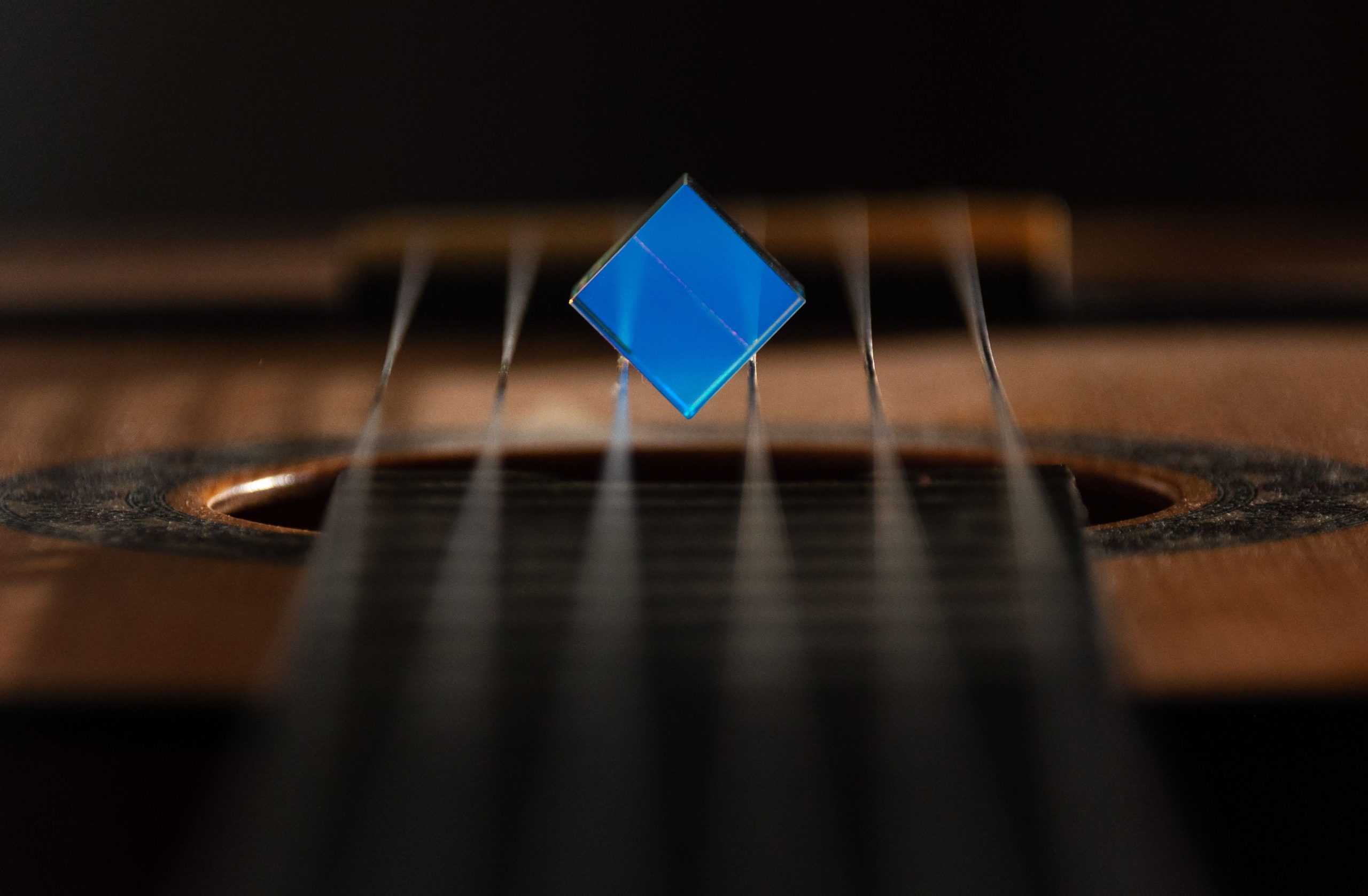
4. Acoustic Levitation – Best for Phonetic and Physical Phenomena
Acoustic levitation exploits sound waves to lift small particles. This groundbreaking investigation reveals how sound can be utilized to manipulate objects, introducing the marvels of physics in a unique way.
Key Features:
- Combines engineering, physics, and material science.
- Offers potential in pharmaceuticals and manufacturing.
- Engaging demonstration using simple equipment.
Pros:
- Exciting visual demonstrations.
- Inspire future innovations in technology.
- Broad interdisciplinary applications.
Cons:
- Experimental setup can be challenging.
- Limited scalability for larger objects.
- Requires specific technical knowledge.
5. Standing Waves – Best for Understanding Wave Patterns
Standing waves are formed by the interference of two waves traveling in opposite directions. This investigation helps clarify concepts of wave patterns, nodal points, and harmonics, often illustrated through vibrational systems like strings or air columns.
Key Features:
- Visual representation of wave interactions.
- Empowers students to understand wave characteristics.
- Demonstrates practical applications in music and engineering.
Pros:
- Always visually engaging.
- Applicable in musical education and acoustics.
- Real-world relevance in various fields.
Cons:
- May require advanced mathematical principles.
- Can be hard to grasp without visual aids.
- Dependent on clear demonstration conditions.
How to Choose Your Investigation
When selecting an acoustics investigation, consider your interests and the audience’s level of understanding. Focus on practical applications if you’re engaging younger students, or dive deep into theoretical aspects for advanced learners. Always ensure you have the right tools and resources to demonstrate the concepts effectively.
#Acoustics #SoundWavePhysics #DopplerEffect #Resonance #SoundLocalization #AcousticLevitation #EducationScience #PhysicsExperiments