
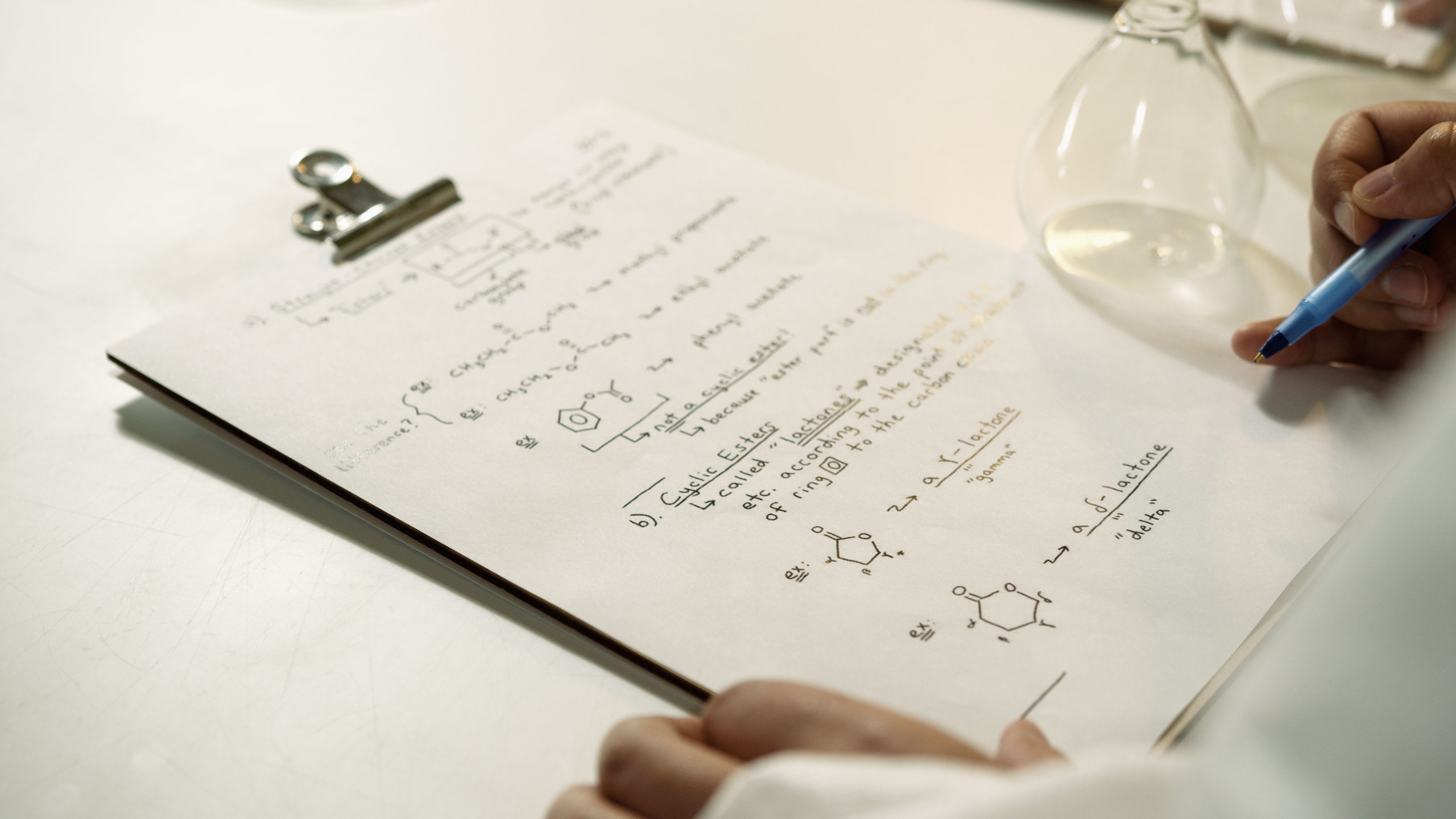
Struggling to grasp organic chemistry? You’re not alone! With a plethora of reactions to learn, it can be overwhelming. This list will guide you through the essential organic chemistry reactions that every student should master. Understanding these reactions will give you a solid foundation and boost your confidence in your studies!
Let’s dive into the top ten organic chemistry reactions you should be familiar with, from nucleophilic substitutions to electrophilic additions. Each reaction plays a crucial role in organic synthesis and will equip you with important skills for laboratory work and exams.
1. SN1 Reaction – Best for Substitutions in Tertiary Alkyl Halides
The SN1 reaction is a cornerstone of organic chemistry, focusing on substitution reactions where the formation of a carbocation intermediate occurs. This reaction’s rate depends only on the concentration of the substrate, making it unique.
Key Features:
- Two-step mechanism
- Involves carbocation formation
- Favored by polar protic solvents
Pros:
- Useful for tertiary substrates
- Predictable outcomes
- Facilitates rearrangement for stability
Cons:
- Less effective for primary or methyl substrates
- Can lead to racemization
- Slow reaction rate
2. SN2 Reaction – Best for Substitutions in Primary Alkyl Halides
The SN2 reaction is a fundamental reaction in organic chemistry, where a nucleophile attacks a substrate from the opposite side to the leaving group. It results in a direct substitution and is characterized by a one-step concerted mechanism.
Key Features:
- Single concerted step
- Inverts stereochemistry
- Favored by polar aprotic solvents
Pros:
- Fast reaction kinetics
- Effective for primary substrates
- Leads to stereochemical inversion
Cons:
- Not effective for bulky substrates
- Requires strong nucleophiles
- Rate depends on both nucleophile and substrate
3. E1 Reaction – Best for Elimination of Tertiary Alkyl Halides
The E1 mechanism involves a two-step process where a leaving group departs first, forming a carbocation, followed by deprotonation. It’s a common reaction for tertiary halides and serves great for forming alkenes.
Key Features:
- Two steps: carbocation formed first
- Competes with SN1
- Produces alkene products
Pros:
- Useful for stable carbocations
- Good for synthesis of alkenes
- Can occur in polar protic solvents
Cons:
- Competes with SN1
- Less predictable product distribution
- Slower reaction rates
4. E2 Reaction – Best for Elimination in Primary and Secondary Halides
The E2 reaction is a concerted elimination process where a strong base abstracts a proton while a leaving group departs. This reaction is more favorable for primary and secondary substrates compared to E1.
Key Features:
- One-step concerted mechanism
- Requires strong bases
- Typically forms alkenes
Pros:
- Faster rates than E1
- Higher control over product formation
- Effective for primary and secondary halides
Cons:
- Requires bulky bases for steric hindrance
- Limited to specific substrate compatibilities
- Must be perpendicular elimination
5. Electrophilic Aromatic Substitution (EAS) – Best for Functionalizing Aromatic Compounds
The EAS reaction allows electrophiles to substitute for hydrogen on aromatic rings, making it a powerful tool in aromatic chemistry. This reaction can lead to a variety of functional groups on aromatic compounds.
Key Features:
- Involves an electrophile and aromatic ring
- Formation of sigma complex
- Restoration of aromaticity
Pros:
- Versatile for various substitutions
- Can introduce multiple functional groups
- Widely used in pharmaceutical chemistry
Cons:
- Requires strong electrophiles
- Competes with other reactions
- Reaction conditions can be sensitive
6. Nucleophilic Addition – Best for Carbonyl Compounds
This reaction involves the addition of nucleophiles to electrophilic carbon atoms in carbonyl groups such as aldehydes and ketones, making it essential for organic synthesis.
Key Features:
- Involves carbonyl compounds
- Forms alcohol or other functional groups
- Occurs through a nucleophile attack
Pros:
- Crucial for constructing carbon skeletons
- Can produce useful functional groups
- Straightforward mechanism
Cons:
- Conditions must be controlled carefully
- May require activating agents
- Possible side reactions
7. Reduction of Carbonyls to Alcohols – Best for Synthesis of Alcohols
This reaction covers several methods for reducing carbonyl compounds to obtain alcohols, a staple in organic synthesis and product development.
Key Features:
- Involves the addition of hydrogen or hydride
- Can use reagents like LiAlH4 and NaBH4
- Results in alcohol formation
Pros:
- Applicable to a variety of carbonyls
- Increases complexity of organic molecules
- High yields attainable
Cons:
- Requires careful handling of reducing agents
- Can be expensive
- Not all carbonyls are equally reactive
8. Grignard Reactions – Best for Carbon-Carbon Bond Formation
The Grignard reaction involves highly reactive organomagnesium compounds reacting with electrophiles, especially carbonyls, leading to carbon-chain elongation.
Key Features:
- Formation of carbon-carbon bonds
- Highly reactive Grignard reagents
- Used to build complex organic structures
Pros:
- Powerful method for organic synthesis
- Versatile for various electrophiles
- Great for designing new molecules
Cons:
- Requires dry solvents and controlled environments
- Highly reactive and can lead to unwanted side reactions
- Difficult to handle for beginners
9. Aldol Condensation – Best for Creating C-C Bonds with Aldehydes and Ketones
Aldol condensation involves the reaction of aldehydes or ketones with carbonyls to form β-hydroxy aldehydes or ketones, then undergo dehydration to yield α,β-unsaturated carbonyl compounds.
Key Features:
- Two carbonyl compounds react
- Forms larger carbon skeletons
- Produces useful α,β-unsaturated carbonyls
Pros:
- Efficient for building complex molecules
- Involves simple starting materials
- High atom economy
Cons:
- Requires specific conditions for optimal yields
- Side reactions can occur
- Monomer availability may vary
10. Diels-Alder Reaction – Best for Forming Six-Membered Rings
The Diels-Alder reaction is a powerful cycloaddition reaction that creates six-membered rings from a conjugated diene and a dienophile. This reaction is essential in synthetic organic chemistry.
Key Features:
- Forms new cyclic compounds
- Highly stereoselective
- Utilizes diene and dienophile
Pros:
- Creates complex cyclic structures easily
- High yields and selectivity
- Wide range of material compatibility
Cons:
- Requires careful selection of reagents
- Must meet stability and reactivity criteria
- Possible rearrangements
How to Choose the Right Reaction to Study
When selecting which organic reactions to focus on, consider your course syllabus, laboratory experiments, and areas of interest in organic chemistry. Start with foundational reactions like SN1, SN2, and electrophilic substitutions, and build upon your knowledge progressively. Practice makes perfect, so engage in problem-solving and practice actual reactions!
#OrganicChemistry #ChemistryStudents #StudyTips #ChemistryReactions #Education #STEM #StudentLife #Science