
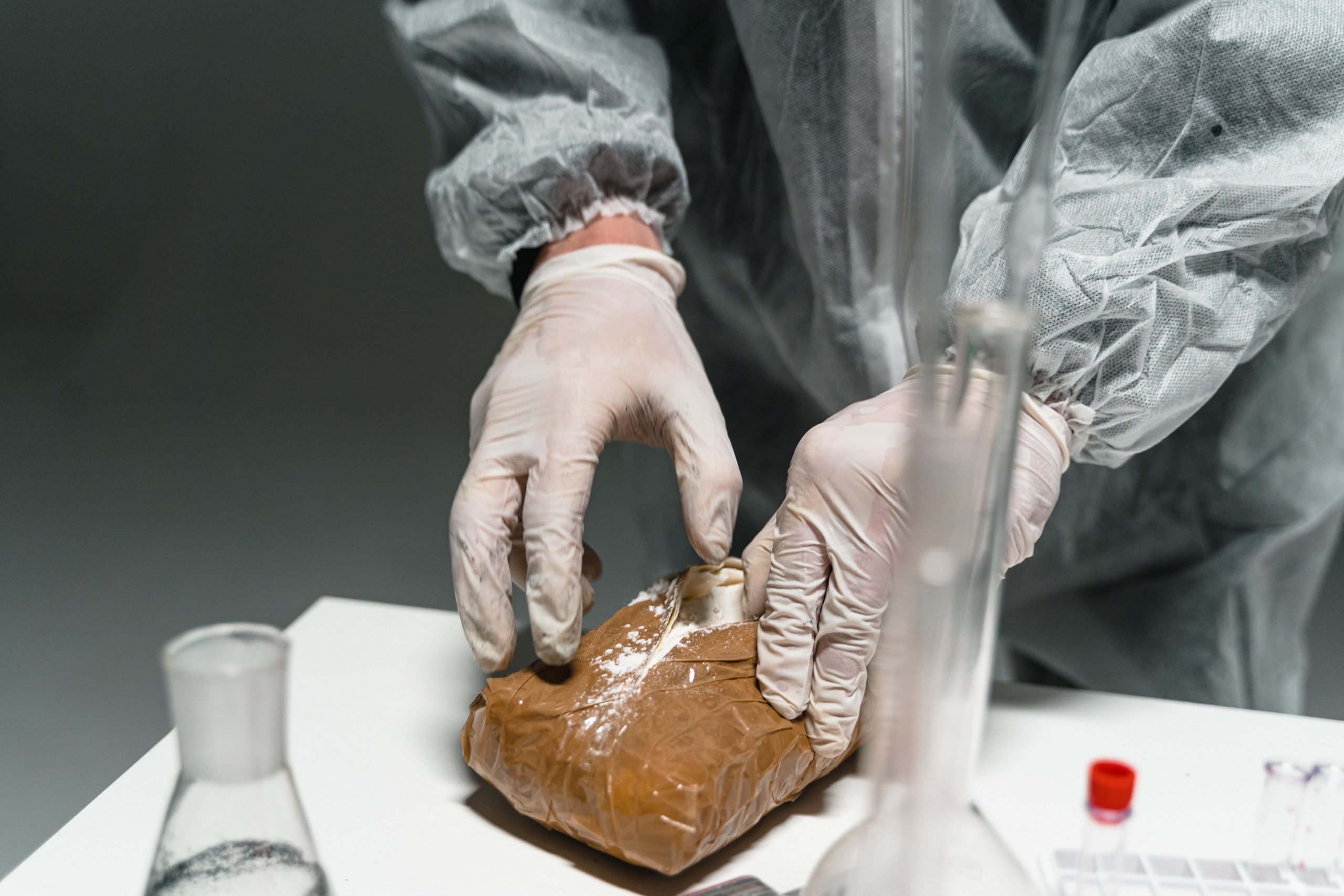
Forensic science plays a crucial role in solving crimes, and chemical analysis techniques are at its core. Understanding these methods can provide invaluable insights into evidence collection and interpretation. This listicle explores the top seven techniques that forensic scientists use daily to crack cases wide open.
From toxicology to spectroscopy, these methods combine science with investigative strategies to unveil the truth. Dive in to discover the powerful techniques that bring clarity to crime scenes!
1. Gas Chromatography – Best for Separating Compounds
Gas chromatography (GC) is a preferred technique for separating and analyzing compounds that can be vaporized without decomposition. This method is widely used to identify substances in toxicology and drug analysis, making it essential in forensic investigations.
Key Features:
- High resolution and speed in compound separation
- Excellent sensitivity for detecting trace amounts
- Compatible with various detectors for identification
Pros:
- Accurate and reliable results
- Quick analysis time
- Non-destructive to samples
Cons:
- Requires complex equipment and skilled personnel
- Limited to volatile compounds
2. Mass Spectrometry – Best for Identifying Molecules
Mass spectrometry (MS) is a powerful analytical technique used to measure the mass-to-charge ratio of ions. It provides detailed information on the structure and molecular weight of compounds, making it invaluable for identifying unknown substances in forensic samples.
Key Features:
- High sensitivity and specificity
- Allows for structural elucidation of compounds
- Great for complex mixtures analysis
Pros:
- Can analyze small sample sizes
- Multitude of applications across various disciplines
- Rapid data acquisition
Cons:
- Highly expensive equipment
- Requires trained professionals for interpretation
3. Fourier Transform Infrared Spectroscopy – Best for Material Identification
Fourier Transform Infrared Spectroscopy (FTIR) is an efficient technique used to obtain an infrared spectrum of absorption or emission of a solid, liquid, or gas. In forensic science, it’s often used to analyze fibers, plastics, and other materials found at crime scenes.
Key Features:
- Non-destructive analysis of samples
- Ability to analyze solid, liquid, and gas forms
- Fast and reliable results
Pros:
- Minimal sample preparation required
- Versatile for different types of materials
- Easy comparison with spectral libraries
Cons:
- Sample must be amenable to infrared light
- Limited to organic compounds and some metal oxides
4. High-Performance Liquid Chromatography – Best for Purity Testing
High-Performance Liquid Chromatography (HPLC) is widely used in forensic chemistry for the separation, identification, and quantification of components in a mixture. It is particularly useful for drug analysis and forensic toxicology.
Key Features:
- Separation under high pressure, enhancing speed
- Can analyze non-volatile compounds
- Compatible with various detection methods
Pros:
- High accuracy and reproducibility
- Effective for complex biological samples
- Wide application range across industries
Cons:
- Requires specific reagents and maintenance
- Longer process compared to some other methods
5. Ultrasonic Extraction – Best for Sample Preparation
Ultrasonic extraction involves the use of high-frequency sound waves to enhance the extraction of compounds from solid samples. It’s an efficient method for preparing samples in forensic analysis, facilitating the extraction of various analytes.
Key Features:
- Enhances solubility and mass transfer of target analytes
- Quick and efficient sample extraction
- Can be used with various solvents
Pros:
- Reduces extraction time significantly
- Improves yield of desired compounds
- Low-cost operation once set up
Cons:
- May require optimization for different samples
- Potential overheating issues if not monitored
6. DNA Profiling – Best for Individual Identification
DNA profiling, also known as genetic fingerprinting, is an essential tool in forensic science used to identify individuals based on their DNA characteristics. This technique has revolutionized criminal investigations and paternity testing.
Key Features:
- Highly specific to individuals
- Applicable in a wide array of forensic cases
- Can be performed on various biological samples
Pros:
- Unmatched reliability in personal identification
- Combines with other forensic methods for robust evidence
- Can link a suspect to a crime scene
Cons:
- Time-consuming analysis process
- High costs for testing and analysis
7. X-Ray Diffraction – Best for Crystalline Material Analysis
X-ray diffraction (XRD) is a non-destructive analytical technique used to identify the atomic and molecular structure of a crystalline material by measuring the diffraction pattern of X-rays directed at the sample. In forensic investigations, it helps in identifying substances like drugs and minerals.
Key Features:
- Provides detailed information on crystal structure
- Non-destructive to the sample
- Fast data collection
Pros:
- Capabilities in mineral and solid state analysis
- Widely used in material science research
- Good resolution for fine structural details
Cons:
- Specialized equipment required
- Not all substances can be analyzed
How to Choose the Right Forensic Analysis Technique
Selecting the appropriate forensic analysis technique depends on the type of sample and the information needed. Consider factors such as the nature of the material, available technology, and the required sensitivity for your analysis. Collaboration with experienced forensic analysts can significantly enhance the accuracy and relevancy of your findings.
#ForensicScience #ChemicalAnalysis #CrimeSolving #ForensicTechniques #ScientificMethods #ForensicChemistry #EvidenceAnalysis #CrimeInvestigation