
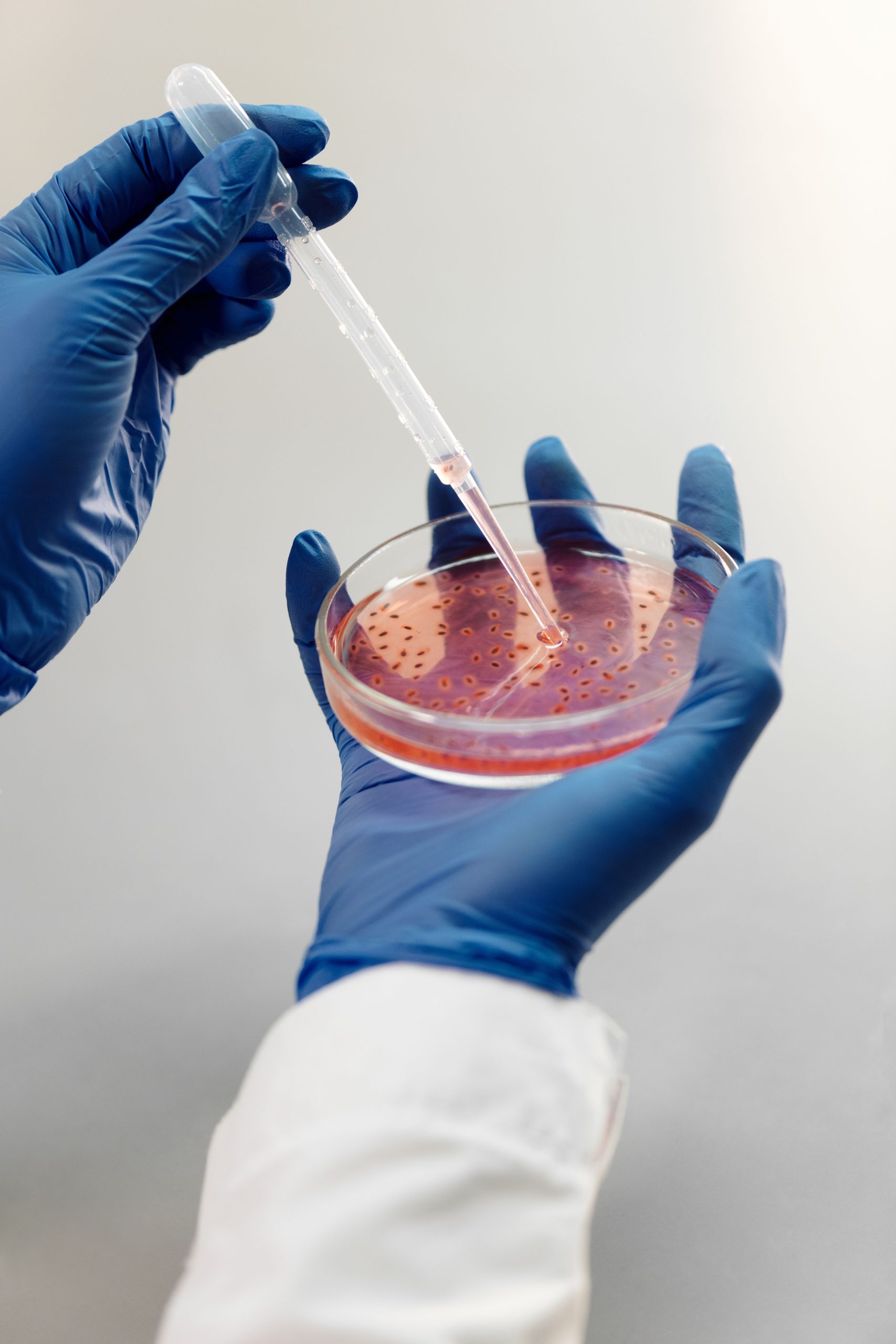
Understanding the fundamental cellular biology processes is vital for comprehending how organisms grow and thrive. These processes are the cornerstones of life, enabling everything from embryonic development to tissue repair. In this article, we delve into the top seven cellular biology processes that fuel the growth of organisms.
Whether you’re a biology enthusiast, a student, or simply curious about life’s building blocks, this list will enlighten you on how cells work tirelessly to promote growth and development.
1. Cell Division – Best For Reproduction and Growth
Cell division is the primary mechanism by which cells multiply, allowing organisms to grow in size and repair damaged tissues. This process includes mitosis and meiosis, ensuring genetic information is passed correctly.
Key Features:
- Ensures genetic continuity
- Facilitates growth and tissue repair
- Enables asexual and sexual reproduction
Pros:
- Essential for organismal growth
- Critical for healing injuries
- Prevents cellular aging through regeneration
Cons:
- Can lead to uncontrolled growth (cancer)
- Requires precise regulatory mechanisms
- May slow down with age
2. Protein Synthesis – Best For Building Cellular Structures
Protein synthesis is crucial for creating proteins that perform a variety of functions, from structural support to enzymatic activities. It occurs through transcription and translation, utilizing mRNA and ribosomes.
Key Features:
- Produces enzymes and structural proteins
- Regulates metabolic processes
- Supports cellular communication
Pros:
- Essential for growth and repair
- Enables complex cellular functions
- Drives hormonal functions and signaling
Cons:
- Energy-intensive process
- Errors can lead to diseases
- Dependent on nutrient availability
3. Metabolism – Best For Energy Production
Metabolism encompasses all biochemical processes that convert food into energy. This process is vital for sustaining growth and supporting cellular functions necessary for life.
Key Features:
- Different pathways for energy extraction
- Involves catabolism and anabolism reactions
- Supports homeostasis and cellular health
Pros:
- Crucial for energy availability
- Facilitates growth and reproduction
- Supports movement and various vital functions
Cons:
- Can cause weight gain if imbalanced
- Varies with age and health status
- Requires a steady supply of nutrients
4. Cellular Signaling – Best For Coordinating Functions
Cellular signaling allows cells to communicate and respond to their environment. This is critical for growth, development, and coordinating physiological processes across different systems in an organism.
Key Features:
- Involves receptors and signaling molecules
- Controls cellular responses to stimuli
- Key in development and immune responses
Pros:
- Facilitates complex interactions between cells
- Regulates growth and development efficiently
- Enhances adaptability to environmental changes
Cons:
- Potential for miscommunication leading to diseases
- Can be affected by external factors (toxins, stress)
- Complex pathways can be challenging to decipher
5. Apoptosis – Best For Cell Regulation
Apoptosis is the programmed cell death that plays a pivotal role in growth by eliminating unnecessary or damaged cells. This process is essential for maintaining healthy tissue and promoting normal development.
Key Features:
- Helps eliminate faulty cells
- Prevents cancerous growth
- Vital for shaping developing tissues
Pros:
- Maintains healthy cell populations
- Prevents disease progression
- Facilitates embryonic development
Cons:
- Excessive apoptosis can lead to degenerative diseases
- Disruption in processes can lead to cancer
- May be impacted by external stressors
6. Nutrient Uptake – Best For Cellular Functionality
Nutrient uptake is the process by which cells absorb essential nutrients from their environment. This is vital for energy production, growth, and overall cellular health.
Key Features:
- Involves transport mechanisms across cell membranes
- Critical for metabolism and energy production
- Supports biosynthesis of cellular components
Pros:
- Essential for sustaining life
- Facilitates growth and repair
- Improves cellular efficiency
Cons:
- Requires precise regulation to avoid deficiencies
- Can be influenced by external nutrient availability
- Overload of certain nutrients can be toxic
7. Genetic Regulation – Best For Development and Adaptation
Genetic regulation involves the control of gene expression, determining how and when specific genes are activated. This is essential for the proper growth and adaptation of organisms to their environment.
Key Features:
- Regulates development and tissue specialization
- Enables responses to environmental changes
- Facilitates evolution and adaptation over time
Pros:
- Ensures proper development and function
- Enhances survival capabilities
- Supports diversity in populations
Cons:
- Mutations can lead to genetic disorders
- Complex interactions can lead to unpredictable outcomes
- Requires careful regulation for normal function
How to Choose
When considering the cellular biology processes that drive growth, it’s essential to understand their interplay. Each process supports different aspects of life, so evaluating their significance relative to specific needs—such as healing, energy production, or adaptation—can guide further studies in biology.
#CellBiology #GrowthProcesses #CellDivision #ProteinSynthesis #Metabolism #Apoptosis #NutrientUptake #GeneticRegulation