
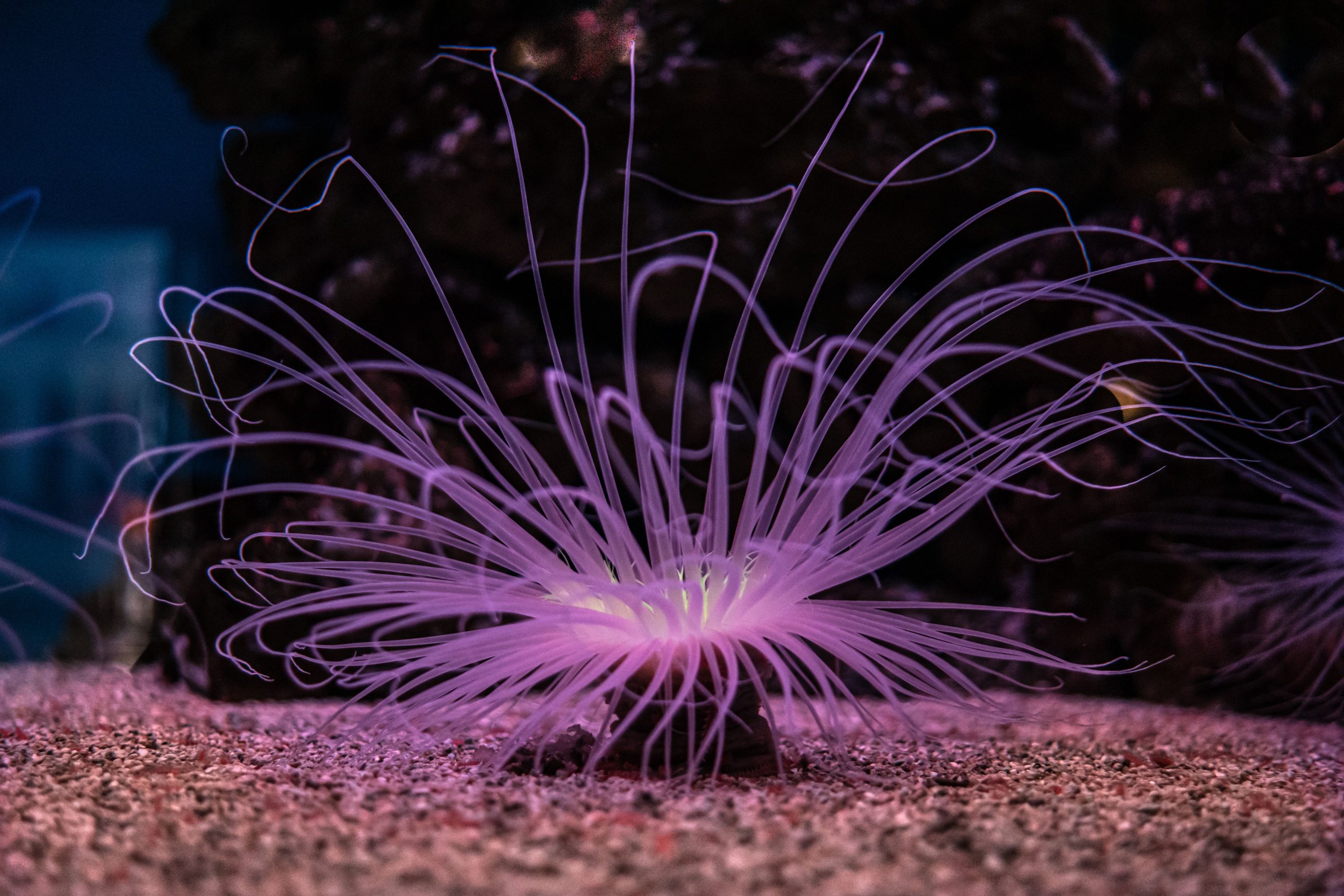
The deep ocean is a mysterious realm filled with unique creatures that have astonishing adaptations to thrive in extreme conditions. From bioluminescence to incredible pressure resistance, these deep-sea animals represent the wonders of evolution. Dive in to discover the top adaptations that allow them to survive and flourish where most life cannot!
Understanding these adaptations not only fascinates us but also reveals the secrets of life in the deep sea. Make sure to stay tuned for our final thoughts on how to appreciate these magnificent adaptations!
1. Bioluminescence – Signals and Camouflage
Many deep-sea creatures, such as the anglerfish and certain jellyfish, possess the remarkable ability to produce their own light through bioluminescence. This adaptation helps them attract prey or communicate with potential mates in the dark depths of the ocean.
Key Features:
- Can attract prey with a glowing lure
- Used for communication and mating signals
- Serves as a defense mechanism, distracting predators
Pros:
- Enhances hunting success
- Facilitates reproduction
- Increases survival rate against predators
Cons:
- Requires energy to produce light
- Can attract unwanted attention from larger predators
2. Pressure Resistance – Surviving the Abyss
Deep-sea creatures have adapted to withstand the immense pressures of the ocean depths, often up to 1,000 times greater than at sea level. Species such as the gulper eel have flexible bodies that can endure these extreme conditions.
Key Features:
- Flexible and compressible bodies
- Unique biochemical structures
- Enhanced cellular machinery for maintaining functionality
Pros:
- Enables survival in inhospitable environments
- Allows for unique feeding strategies
- Supports different physical adaptations
Cons:
- Not suitable for shallower ecosystems
- Limited adaptability to rapid environmental changes
3. Gigantism – The Realm of the Giants
Some deep-sea creatures are astonishingly large due to a phenomenon known as deep-sea gigantism. Examples include the colossal squid and the giant isopod. Their size offers advantages in the competition for food and protection from predators.
Key Features:
- Substantial body size for increased buoyancy
- Predator deterrence due to size
- Energy-efficient movement in deep waters
Pros:
- Greater success in capturing prey
- Fewer threats from smaller predators
- Adaptable to limited food availability
Cons:
- Requires significant energy to sustain large body
- Longer maturation periods
4. Transparent Bodies – Stealth Mode
Many deep-sea organisms, such as certain species of shrimp and jellyfish, are nearly transparent. This adaptation helps them avoid detection by both predators and prey, allowing for stealthy movement in their underwater habitat.
Key Features:
- Reduced visibility to predators
- Helps in surprise attacks on prey
- Camouflage against the ocean environment
Pros:
- Enhanced survival through evasion
- Improved feeding opportunities
- Better protection against larger aquatic animals
Cons:
- Can be vulnerable to certain forms of predation
- May limit visibility in murky waters
5. Unique Feeding Mechanisms – Adapting to Scarcity
Deep-sea creatures exhibit fascinating feeding adaptations, such as filter feeding or scavenging. Organisms like the basket star and deep-sea fish have developed specialized mouths and stomachs to take advantage of the sparse food supply available in their habitats.
Key Features:
- Specialized mouthparts for varied feeding methods
- Flexible feeding strategies to capture elusive prey
- Ability to consume organic matter from decomposing material
Pros:
- Increased adaptability to different food sources
- Efficient utilization of available resources
- Reduces competition for food
Cons:
- Dependence on sporadic food supply
- Vulnerability during feeding processes
How to Choose the Right Adaptations to Study
When exploring the myriad adaptations found in deep-sea creatures, consider what specific survival strategies intrigue you the most. Focus on unique environments, mating behaviors, or prey patterns to truly appreciate the diversity of life beneath the waves.
#MarineBiology #DeepSeaCreatures #Bioluminescence #OceanLife #MarineAdaptations #DeepSeaExploration #UnderwaterWorld