
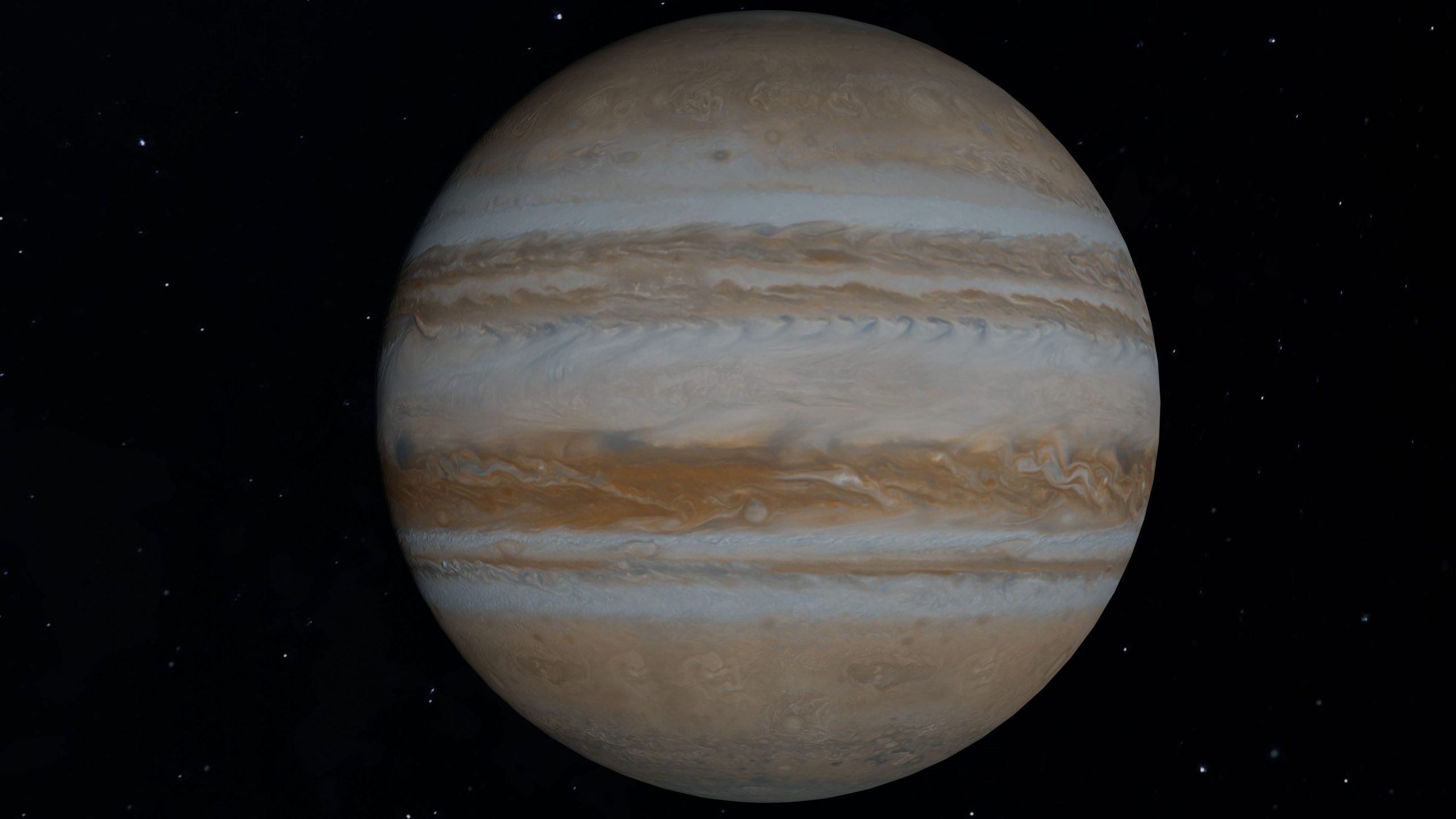
As we delve deeper into the cosmos, the quest to discover exoplanets—planets that orbit stars outside our solar system—has become more exciting than ever. With the development of advanced technologies, astronomers now have several innovative methods at their disposal to identify these distant worlds. This article will explore the top seven exoplanet discovery methods that are revolutionizing our understanding of the universe.
Whether you’re an aspiring astronomer or just curious about the universe, these methods shed light on how we detect planets light-years away. Let’s uncover the techniques that are expanding our view of celestial bodies beyond our own solar system!
1. Transit Method – Best for Detecting Small Planets
The Transit Method is one of the most effective techniques for discovering exoplanets. It involves monitoring the brightness of stars to detect periodic dimming that occurs when a planet passes in front of a star, blocking some of its light.
Key Features:
- Captures data on the planet’s size and orbit
- Can be utilized for both large and small planets
- Allows for follow-up studies of atmospheric composition
Pros:
- Highly efficient for finding many exoplanets
- Has successfully discovered thousands of exoplanets
- Ideal for monitoring multiple stars simultaneously
Cons:
- Only detects planets that pass directly in front of their stars
- Requires precise measurements and observations
- Does not determine whether a planet is habitable
2. Radial Velocity – Best for Measuring Mass
The Radial Velocity method, also known as the Doppler Method, analyzes shifts in the spectrum of a star as it moves due to the gravitational pull of an orbiting planet. This technique helps astronomers determine the mass of the planet and its orbital dynamics.
Key Features:
- Provides measurements of planetary mass and distance
- Can help identify potential for habitability
- Utilizes spectroscopic data for accuracy
Pros:
- Effective for detecting large planets close to their stars
- Facilitates the study of multiple planetary systems
- Helps in characterizing planetary atmospheres
Cons:
- Less effective for small planets
- Requires long-term observations
- Can be influenced by stellar activity
3. Direct Imaging – Best for Observing Exoplanets
Direct Imaging is an advanced technique that captures images of exoplanets by blocking out the starlight around them. This allows astronomers to observe the planets themselves, revealing vital details about their atmospheres and surfaces.
Key Features:
- Provides visual images of exoplanets
- Can analyze atmospheric composition
- Enables the study of planetary weather systems
Pros:
- Allows for the study of planets’ colors and shapes
- Useful for identifying atmospheres and chemical compositions
- Can reveal the presence of moons and rings
Cons:
- Challenges in blocking starlight efficiently
- Relatively few exoplanets have been directly imaged
- Requires cutting-edge technology and equipment
4. Gravitational Microlensing – Best for Discovering Distant Planets
This method leverages the phenomenon where a massive object (like a star or planet) bends the light from a more distant star due to its gravitational field. When a planet passes in front of this distant star, it causes temporary brightening that can be detected.
Key Features:
- Can detect planets far from their stars
- Does not depend on light emitted by the star
- Effective for discovering rogue planets
Pros:
- Excellent for finding planets in distant galaxies
- Provides information about planet mass and distance
- Helps study dark matter and the structure of the universe
Cons:
- Random nature makes targeted searches difficult
- Observations require global collaboration
- Events are short-lived and may be missed
5. Astrometry – Best for Measuring Orbital Parameters
Astrometry involves measuring the precise movements of stars in response to the gravitational pull of orbiting planets. This technique helps scientists determine the positions and motions of stars, which can reveal the presence of neighboring planets.
Key Features:
- Focuses on stellar positions and movements
- Provides orbital parameters for exoplanets
- Helps find planets around nearby stars
Pros:
- Highly precise measurements
- Can discover planets with very small masses
- Contributes to a better understanding of star systems
Cons:
- Long observational periods required
- Difficult to distinguish between star movements
- Less effective for planets close to their stars
6. Timing Variations – Best for Detecting Multiple Planets
By observing variations in the arrival time of light pulses emitted by pulsars, astronomers can identify the gravitational influence of orbiting planets. This method is especially useful for systems with multiple planets pulling on each other.
Key Features:
- Utilizes timing of periodic signals from stars
- Effective for identifying planets in multi-planet systems
- Determines planet masses through gravitational effects
Pros:
- Can detect planets that are challenging to observe
- Contributes to understanding planet interactions
- Helps in refining models of planetary systems
Cons:
- Complex methodology requiring advanced data analysis
- Dependent on the stability of the observed signal
- Not widely applicable beyond pulsars
7. Space Telescopes – Best for Comprehensive Surveys
Space telescopes equipped with advanced instruments can survey vast sections of the universe, gathering data on countless stars simultaneously. This method combines several techniques, including transit and imaging, to maximize exoplanet discovery.
Key Features:
- Equipped for multiple detection methods
- Collects data from a broader range of wavelengths
- Facilitates large-scale astronomical surveys
Pros:
- Can cover vast areas of the sky
- Collects data free from atmospheric interference
- Combines methods for enhanced discovery
Cons:
- Requires significant funding and resources
- Limited by orbit and observational windows
- Data analysis can be complex and time-consuming
How to Choose the Right Discovery Method
When considering exoplanet discovery methods, it’s essential to evaluate the specific goals of your research or interest. Factors such as the type of planet you hope to discover (size, distance from the star), the resources available, and the specific challenges posed by each method will inform your approach. Combining multiple methods often yields the best results in this ever-evolving field of astronomy.
#Exoplanets #Astronomy #SpaceDiscovery #PlanetaryScience #ScienceNews #Astrophysics #NASA #Astrobiology