
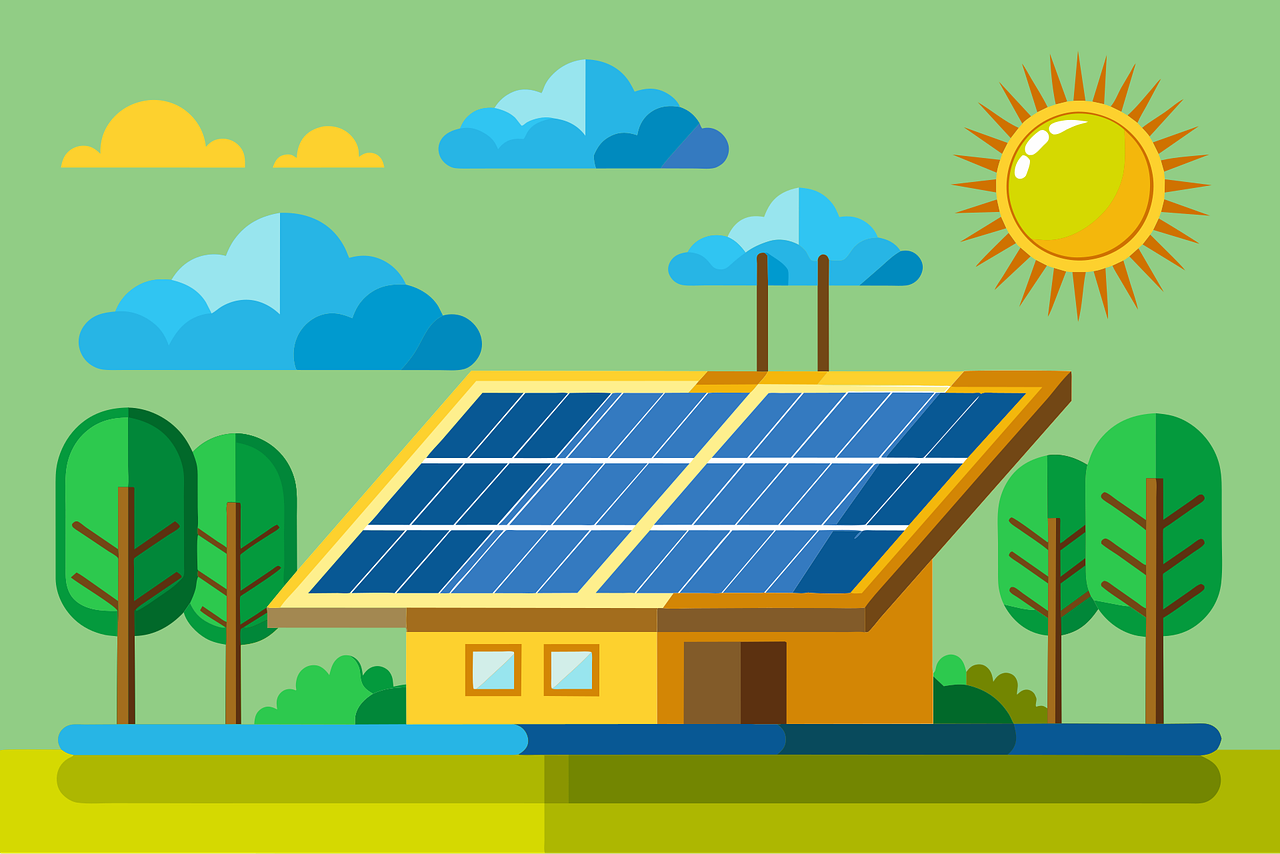
Are you looking for a show-stopping project for your next science fair? Renewable energy demonstrations are not only eye-catching but also educational, showcasing the importance of sustainable practices in today’s world. From solar sails to wind turbines, these models will help you stand out and make a positive impact.
With a variety of renewable energy sources to explore, we’ve compiled a list of the top six demonstration models that are sure to impress judges and spectators alike. Let’s dive into the innovative world of green energy!
1. Solar Oven – Best For Cooking with the Sun
This solar oven harnesses the power of sunlight to cook food, providing a hands-on demonstration of solar energy in action. It’s simple to construct, and its effectiveness showcases the potential of renewable energy in everyday life.
Key Features:
- Environmentally friendly cooking method
- Requires minimal materials
- Educational and fun for all ages
Pros:
- Teaches solar energy principles
- Low-cost and easy to make
- Great for outdoor use and real-life cooking
Cons:
- Dependent on sunny weather
- Cooking time may take longer than conventional methods
- Limited cooking capacity at a time
2. Wind Turbine Model – Best For Demonstrating Wind Power
Build a small-scale wind turbine to help visualize how wind energy is converted into electricity. This interactive model operates on a small motor and is a fantastic way to explain turbine mechanics.
Key Features:
- Can generate electricity to power small devices
- Modular design for easy assembly
- Hands-on experience with renewable energy technology
Pros:
- Engaging and educational
- Portable and easy to transport
- Inspires interest in engineering and renewable energy
Cons:
- Requires wind to operate effectively
- Components may be sensitive to damage
- May need adjustments for optimal performance
3. Hydroelectric Generator – Best For Exploring Water Power
This innovative model demonstrates how water flow can generate electricity. By simulating a river flow with water pipes and a small turbine, students will gain insight into one of the world’s most widely used renewable energy sources.
Key Features:
- Shows principles of hydroelectric power
- Recyclable materials can be used in construction
- Interactive design for engaging presentations
Pros:
- Illustrates real-world energy production
- Encourages problem-solving and design thinking
- Fun and educational for audiences
Cons:
- Requires a constant water source
- Setup can be messier than other models
- May require supervision for water management
4. Solar-Powered Car – Best For Eco-Friendly Transportation
This exciting project lets students build a car powered entirely by the sun! This model teaches principles of solar energy and physics while fostering creativity.
Key Features:
- Hands-on building experience
- Can be customized for speed and design
- Demonstrates solar panel technology
Pros:
- Captivates both kids and adults
- Promotes interest in renewable energy vehicles
- Easy to modify for further experimentation
Cons:
- Performance varies with sunlight
- Battery may require upgrades for advanced projects
- Potential high cost for quality materials
5. Biogas Generator – Best For Sustainable Waste Management
This model involves creating energy from decomposing organic materials. A biogas generator can showcase how human and agricultural waste can be converted into usable energy, promoting sustainability.
Key Features:
- Provides a realistic energy source
- Educates on waste management and recycling
- Can be built from household materials
Pros:
- Addresses environmental issues
- Encourages innovative thinking
- Engaging way to learn about bioenergy
Cons:
- Can require time for decomposition to produce biogas
- Odor may be an issue with incorrect materials
- Set-up complexity varies
6. Thermoelectric Generator – Best For Heat-to-Electricity Conversion
This model demonstrates how temperature differences can generate electricity. Using common materials, students can create a thermoelectric generator that turns heat into power.
Key Features:
- Demonstrates thermoelectric principles
- Compact and straightforward design
- Can power small light bulbs or fans
Pros:
- Teaches about heat and energy transformation
- Encourages innovation and experimentation
- Engaging with practical applications
Cons:
- Requires precise temperature control
- May need additional electronic components
- Limited output compared to larger models
How to Choose the Right Model for Your Science Fair
When selecting a renewable energy model for your project, consider your audience, available materials, and your personal interests. Choose a model that resonates with you, ensures you can demonstrate key principles effectively, and has the potential to spark discussions about sustainability.
#RenewableEnergy #ScienceFairProjects #EcoFriendly #GreenEnergy #STEMEducation #SustainableLiving #DIYModels