
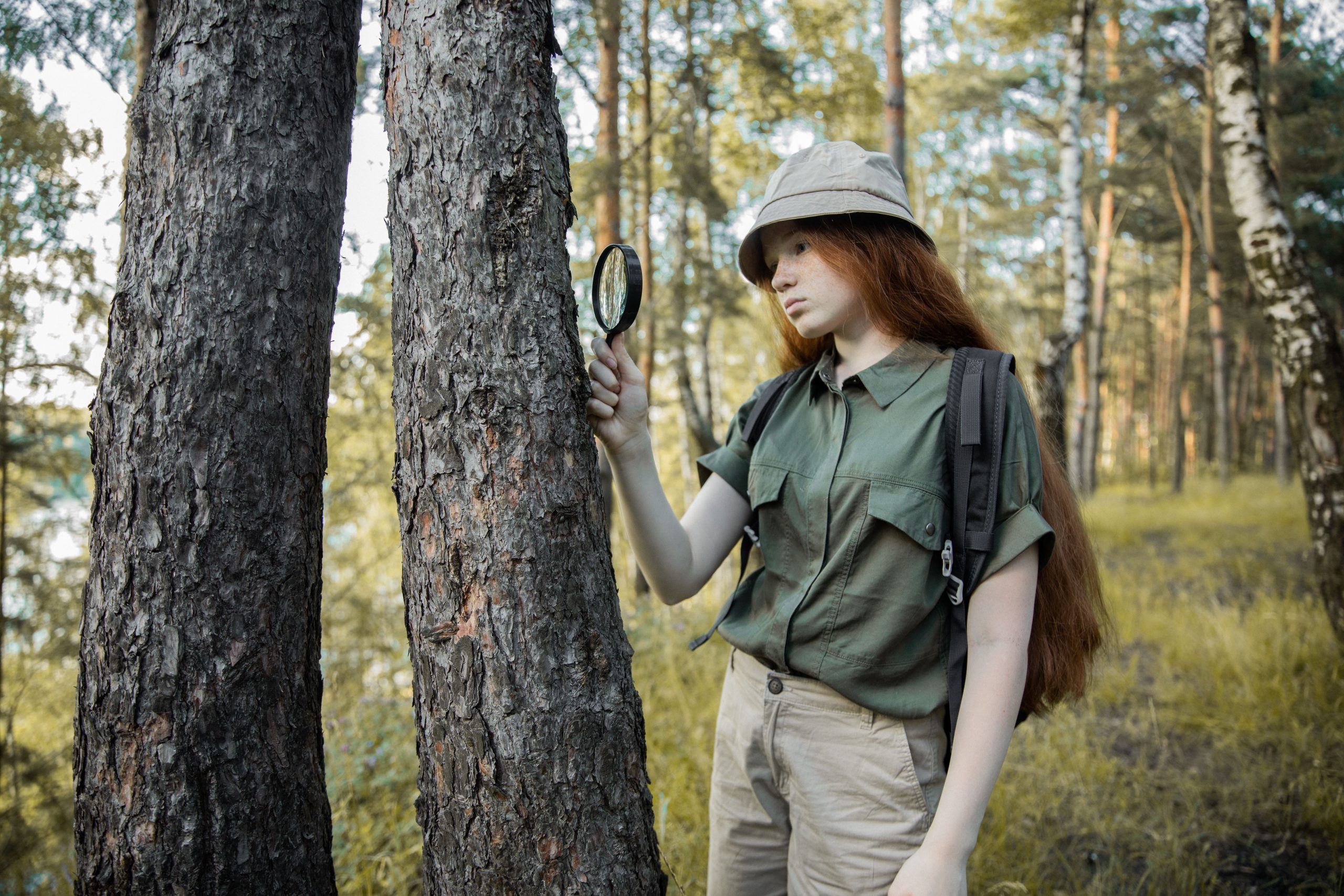
Are you a student or a budding environmentalist searching for exciting ecology field investigation topics? Look no further! In this article, we’ve compiled a list of five engaging topics that will not only spark your curiosity but also contribute valuable insights into our planet’s ecosystems. Let’s dive into these captivating studies that could lead to groundbreaking discoveries!
1. Urban Wildlife Adaptation – Best For Understanding Species Resilience
This investigation examines how urban environments impact local wildlife and how species adapt to city life. Urban wildlife adaptation is crucial in understanding ecological resilience and species survival in changing habitats.
Key Features:
- Focus on local species
- Utilizes urban green spaces
- Analyzes human-wildlife interactions
Pros:
- Encourages community engagement
- Reveals surprising species behavior
- Highlights biodiversity
Cons:
- Urban settings may limit access to some species
- Data collection can be challenging in busy areas
- Potential biases in data due to human interference
2. Water Quality Testing – Best For Assessing Ecosystem Health
Investigating water quality in local rivers, lakes, or streams provides essential data about ecosystem health. This topic allows students to understand the impact of pollution and human activity on aquatic environments.
Key Features:
- Field testing methodologies
- Analysis of chemical parameters
- Monitoring of aquatic life
Pros:
- Hands-on experience with scientific methods
- High relevance to current environmental issues
- Opportunities for public awareness campaigns
Cons:
- Requires access to equipment
- Seasonal variations can affect results
- Data analysis may be complex
3. Invasive Species Impact – Best For Understanding Ecological Balance
This research topic centers on identifying and analyzing the effects of invasive species in a specific area. Investigating this can provide insights into how non-native species disrupt ecological balance.
Key Features:
- Focus on local ecosystems
- Detailed research on specific invasive species
- Assessment of impact on native species
Pros:
- Contributes to conservation efforts
- Engages critical thinking about ecosystems
- Potential for collaboration with local environmental organizations
Cons:
- Fieldwork may require extensive time
- Identification can sometimes be complex
- Results may vary based on environmental factors
4. Plant Phenology Studies – Best For Tracking Climate Change Effects
Exploring plant phenology involves tracking the seasonal changes in plant behavior, such as blooming and leaf-out times. This investigation provides data crucial for understanding the impact of climate change on local flora.
Key Features:
- Focus on specific plant species
- Data collection over multiple seasons
- Links to historical climate data
Pros:
- Promotes long-term study habits
- Provides critical data on climate change
- Opportunity to engage with local botanic gardens
Cons:
- Requires patience and regular observations
- Potentially variable results due to weather fluctuations
- May need specific botanical knowledge
5. Microplastic Pollution Assessment – Best For Highlighting Environmental Challenges
This investigation focuses on assessing the concentration of microplastics in soil, water, or sediment samples. This vital research topic shines a light on an emerging environmental challenge facing ecosystems worldwide.
Key Features:
- Use of scientific sampling techniques
- Investigation of sources and composition of microplastics
- Assessment of ecological impacts
Pros:
- Highly relevant to current global issues
- Hands-on experience with lab techniques
- Potential for community outreach and education
Cons:
- Equipment and lab access can be limiting
- Complexity of data interpretation
- May require collaboration with experts
How to Choose the Right Topic for Your Investigation
When selecting an investigation topic, consider your interests, the level of accessibility to research areas, and the available resources. Opt for a topic that not only fuels your passion but also has a meaningful impact on understanding ecological challenges. Collaborate with peers, mentors, or local environmental organizations to enhance your research experience.
#EnvironmentalScience #Ecology #FieldInvestigation #WildlifeAdaptation #WaterQuality #InvasiveSpecies #PlantPhenology #Microplastics