
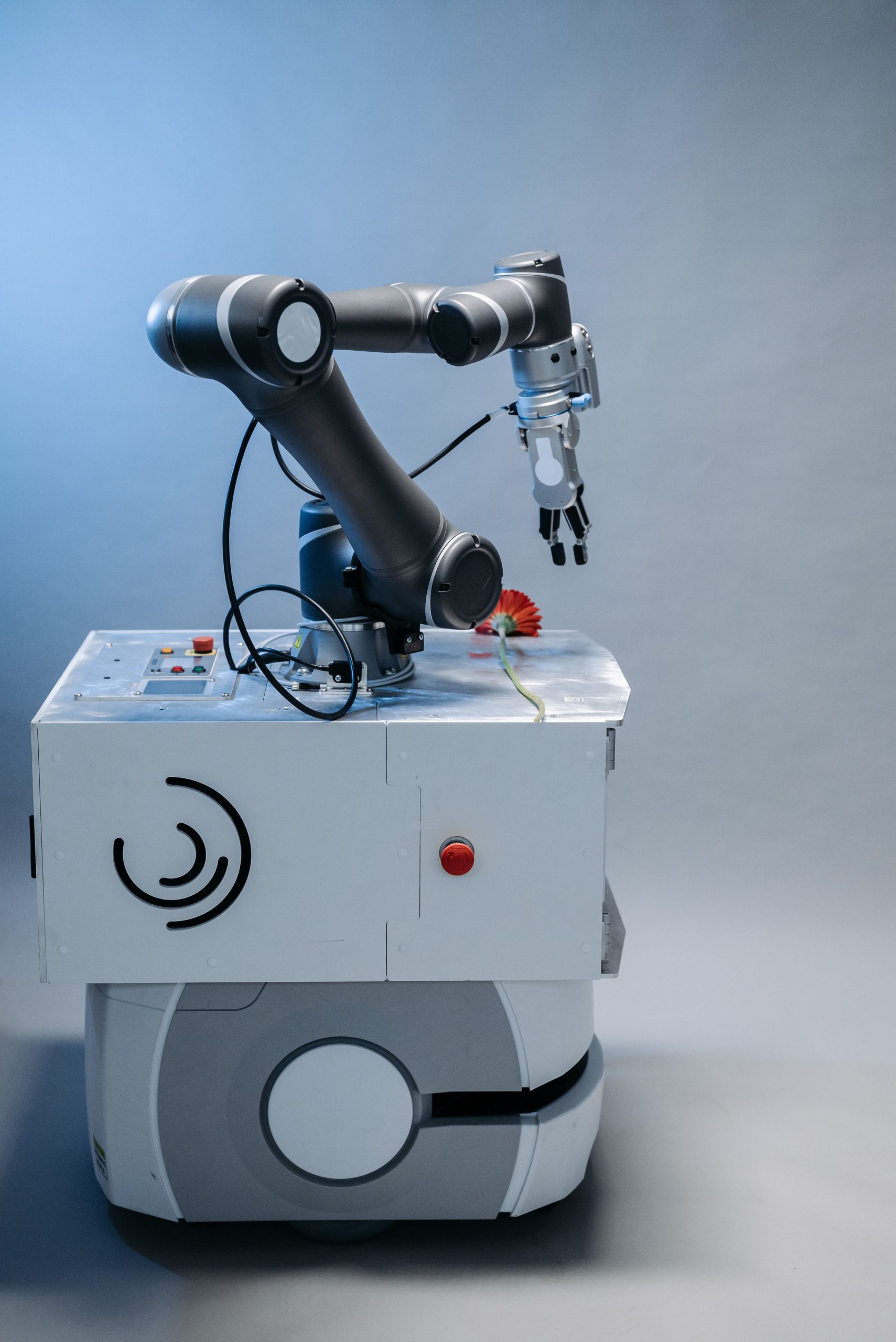
Robotics automation engineering is revolutionizing industries by enhancing efficiency, precision, and innovation. Understanding the core principles of robotics automation can provide engineers and enthusiasts with the tools they need to design and optimize automated systems effectively.
Whether you’re a student, a professional, or simply curious about the field, this article breaks down the essential principles that govern robotics automation engineering. Get ready to dive into the fascinating world of automation!
1. Modularity – Best For Simplified Design and Maintenance
Modularity refers to designing robots using independent components that can be easily reconfigured or replaced. This principle allows for swift updates and maintenance, significantly reducing downtime.
Key Features:
- Interchangeable components
- Reduces complexity of systems
- Enhances scalability
Pros:
- Easy upgrades and modifications
- Low maintenance costs
- High adaptability to new tasks
Cons:
- Initial design complexity
- Potential compatibility issues
2. Feedback Control – Best For Precision and Stability
Feedback control systems continuously monitor the performance of a robot and make adjustments accordingly. This principle ensures that robots can operate accurately and maintain stability while performing tasks.
Key Features:
- Real-time performance monitoring
- Automatic error correction
- Improved response times
Pros:
- Enhances accuracy
- Prevents system failures
- Improves overall reliability
Cons:
- Complex tuning process
- Requires sophisticated sensors
3. Automation Framework – Best For Streamlined Integration
An automation framework brings together various technologies and practices to optimize robot design and functionality. By adopting a unified structure, robotics engineers can ensure seamless integration of systems.
Key Features:
- Standardized protocols
- Interoperability across systems
- Centralized management
Pros:
- Simplifies collaboration
- Reduces integration costs
- Enhances consistency
Cons:
- May limit creative designs
- Initial setup costs can be high
4. Safety Measures – Best For Risk Management
The principle of safety in robotics automation ensures that systems are designed with inherent safety features to protect workers and equipment. This is crucial in preventing accidents and enhancing workplace safety.
Key Features:
- Emergency stop buttons
- Safety sensors
- Compliance with safety standards
Pros:
- Decreases accident rates
- Promotes a safe work environment
- Enhances public trust in automation
Cons:
- Initial implementation can be expensive
- May add complexity to designs
5. Machine Learning – Best For Intelligent Automation
Machine learning empowers robots to learn from data and improve their performance over time. This principle enhances the capabilities of automation systems, making them more intelligent and adaptable.
Key Features:
- Data-driven learning algorithms
- Continuous improvement of tasks
- Ability to recognize patterns
Pros:
- Increases efficiency
- Enhances decision-making
- Promotes autonomous operations
Cons:
- Requires substantial datasets
- Can lead to unpredictable behavior
6. Human-Robot Interaction – Best For Collaboration
This principle focuses on enhancing the interaction between humans and robots. Effective communication and interaction ensure that both can work together seamlessly to achieve productivity and efficiency.
Key Features:
- User-friendly interfaces
- Collaborative programming techniques
- Adaptive user feedback systems
Pros:
- Improves operator efficiency
- Increases job satisfaction
- Facilitates training and onboarding
Cons:
- May require ongoing training
- Potential for communication errors
7. System Integration – Best For Optimizing Performance
System integration involves combining various subsystems into a cohesive unit that functions harmoniously. This principle is essential for maximizing the performance and capabilities of robotics automation systems.
Key Features:
- Unified system architecture
- Cross-functional team collaboration
- Consistent performance metrics
Pros:
- Enhances productivity
- Reduces operational costs
- Improves resource management
Cons:
- High initial implementation cost
- Requires ongoing management
How to Choose the Right Principles for Your Robotics Project
When selecting principles for your robotics automation project, consider the specific requirements of your application, the level of complexity you’re prepared to manage, and your overall project goals. Evaluate the environment in which the robot will operate, and prioritize safety and ease of integration to ensure a successful deployment.
#Robotics #AutomationEngineering #EngineeringPrinciples #MachineLearning #RoboticsSafety #TechInnovation #HumanRobotInteraction