
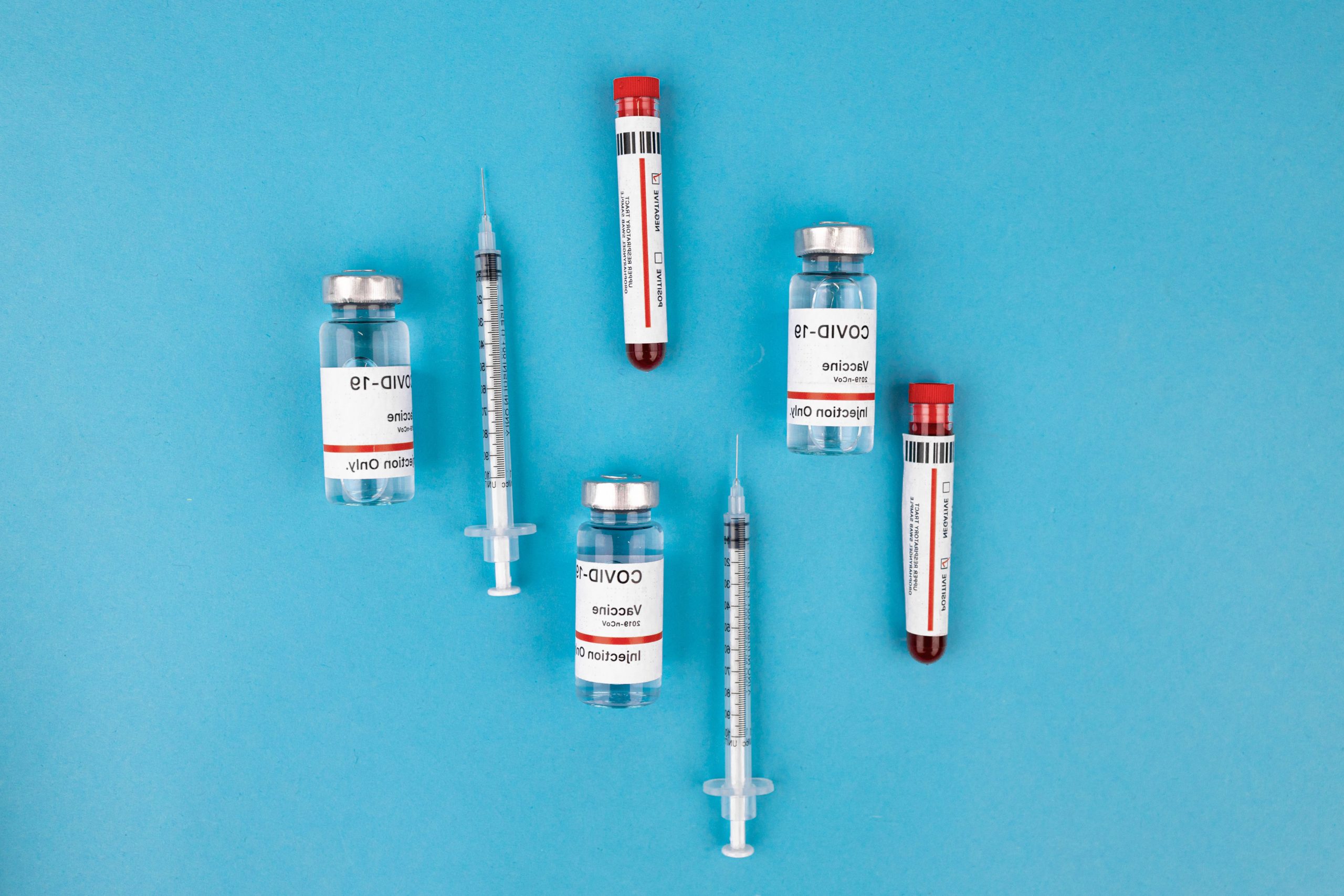
Vaccines are a crucial defense against infectious diseases, and understanding how they are developed can deepen your appreciation for modern medicine. In this article, we’ll explore the top five scientific processes involved in vaccine development, making complex concepts accessible and engaging.
Whether you’re a student, a healthcare professional, or just curious about immunology, this list offers essential insights into how vaccines are created and validated. Let’s dive in!
1. Antigen Identification – Best For Targeting Pathogens
The first step in vaccine development involves identifying the right antigen that can trigger a strong immune response. This antigen could be a part of the pathogen itself, like proteins from a virus or bacteria.
Key Features:
- Selection of effective antigens based on their immunogenicity
- Utilization of bioinformatics to predict the best candidate
- Focus on safety and efficacy profiles
Pros:
- Enhances the targeted immune response
- Increases the chance of a successful vaccine
- Utilizes advanced technologies for better predictions
Cons:
- Identifying the right antigen can be time-consuming
- Initial trials may yield less effective options
- Potential for unexpected reactions
2. Vaccine Design and Formulation – Best For Stability and Efficacy
This process involves creating the actual vaccine formulation, which includes selecting the type of vaccine (live attenuated, inactivated, subunit, etc.). The design aims to produce a stable and effective product.
Key Features:
- Formulation includes adjuvants to boost immune responses
- Stability assessments to ensure long shelf life
- Optimization of delivery method (injection, oral, etc.)
Pros:
- Increases vaccine effectiveness
- Longer shelf-life for better storage and distribution
- Customizable based on target population needs
Cons:
- Complex formulations may lead to higher production costs
- Potential for adverse reactions to adjuvants
- Requires extensive testing to ensure safety
3. Preclinical Testing – Best For Safety Assurance
Preclinical testing involves evaluating the vaccine candidates using animal models to assess their safety, immunogenicity, and optimal dosing before human trials.
Key Features:
- Initial safety assessments in controlled environments
- Monitoring immune responses in various models
- Feasibility of large-scale production
Pros:
- Identifies potential problems early in development
- Provides valuable data for human clinical trials
- Cost-effective way to evaluate multiple candidates
Cons:
- Animal responses may not accurately predict human reactions
- Ethical concerns regarding animal testing
- Time-consuming nature of testing protocols
4. Clinical Trials – Best For Efficacy Validation
Following successful preclinical trials, the vaccine moves into clinical trials with human subjects. These trials are conducted in phases to rigorously assess safety and efficacy.
Key Features:
- Phase 1 focuses on safety and dosing
- Phase 2 evaluates immune response and effectiveness
- Phase 3 involves large-scale testing for final approval
Pros:
- Provides the most definitive data on vaccine safety and efficacy
- Involves diverse populations for comprehensive understanding
- Essential for regulatory approvals
Cons:
- Can be expensive and time-intensive
- Participant recruitment can be challenging
- Unexpected results may halt progress
5. Regulatory Approval and Monitoring – Best For Public Safety
The final process in vaccine development is obtaining regulatory approval, which involves rigorous review and continuous monitoring post-approval to ensure that the vaccine remains safe and effective.
Key Features:
- Submission of data to regulatory bodies (e.g., FDA, EMA)
- Post-marketing surveillance for adverse effects
- Ongoing research to improve vaccine formulations
Pros:
- Ensures high safety standards for public health
- Facilitates updates and improvements based on new data
- Increases confidence in vaccine usage
Cons:
- Can delay availability to the public
- Complicated regulatory process may hinder innovation
- Resource-intensive for ongoing monitoring
How to Choose the Right Vaccine Development Process
When understanding vaccine development, consider the importance of each step and how they interconnect. Each process is vital for ensuring the safety and efficacy of vaccines that can protect public health. Whether you’re involved in research or a curious observer, appreciating these processes can enhance your understanding of how vaccines work and their significance in preventative medicine.
#Immunology #VaccineDevelopment #Science #PublicHealth #Healthcare #MedicalResearch #ClinicalTrials #HealthInnovation