
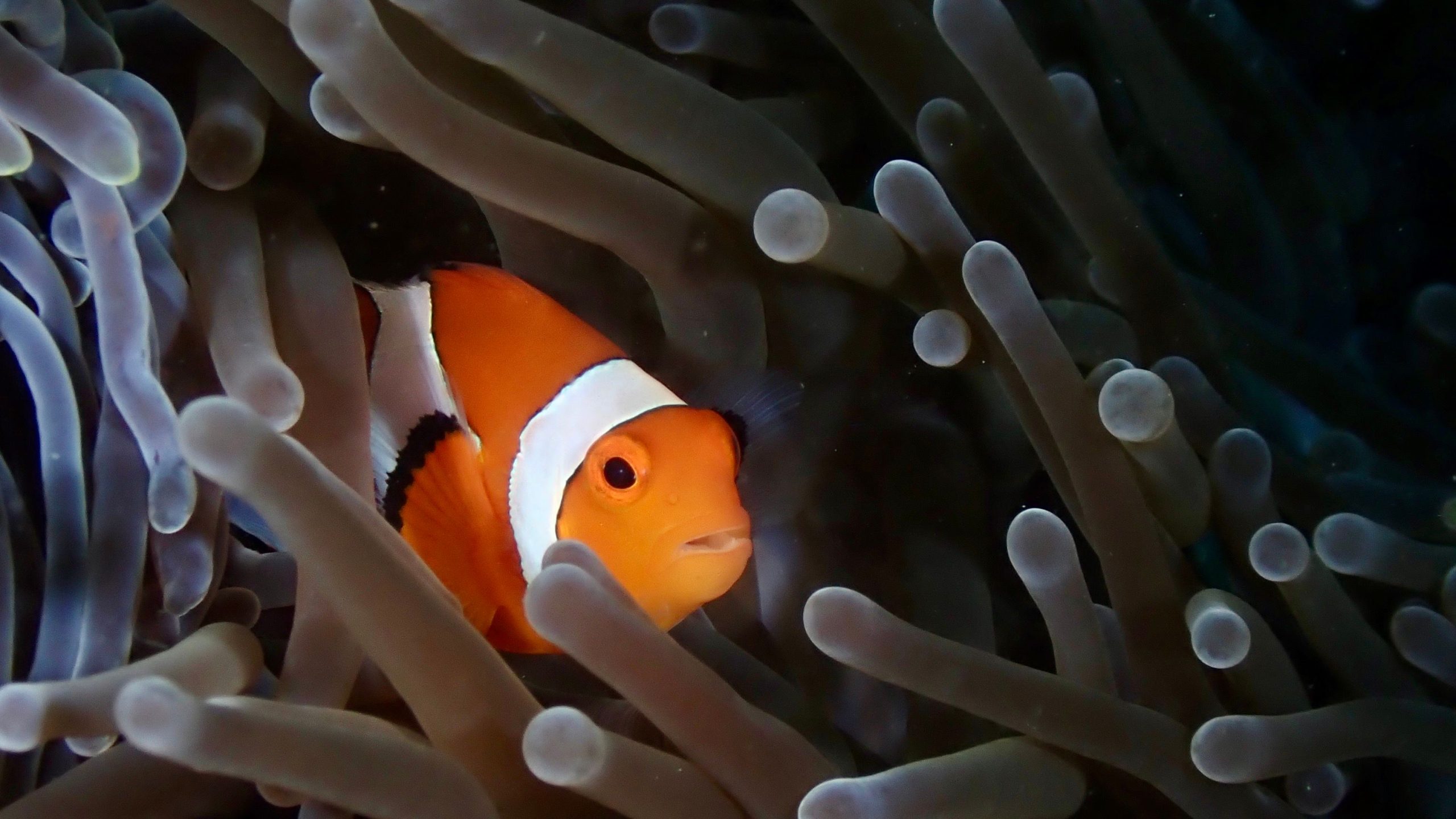
Are you fascinated by the mysteries of the ocean? Tracking marine life is now easier than ever thanks to innovative online platforms that bring the ocean’s secrets right to your fingertips. In this article, we delve into the top 7 oceanography marine life tracking platforms that allow you to explore and monitor marine life like never before.
Whether you’re a researcher, educator, or simply an ocean enthusiast, these platforms offer powerful tools to engage with marine ecosystems and contribute to the conservation of our seas. Let’s dive in!
1. MarineTraffic – Best for Ship Tracking
MarineTraffic is an essential platform for anyone interested in real-time data on vessel movements across the globe. Its interactive maps and user-friendly interface make tracking marine traffic intuitive and informative.
Key Features:
- Live ship tracking
- Extensive vessel information database
- Community-driven AIS data
Pros:
- Detailed ship profiles with history
- Mobile app availability
- Excellent user support
Cons:
- Some features require a subscription
- Data can be limited for remote areas
2. Ocean Conservancy – Best for Conservation Efforts
Ocean Conservancy offers a comprehensive view of marine ecosystems while focusing heavily on conservation initiatives. This platform equips users with tools to track and combat marine debris and pollution effectively.
Key Features:
- Tools for tracking ocean debris
- Citizen science engagement
- Access to educational resources
Pros:
- Active community involvement
- Focus on sustainability
- Rich educational content
Cons:
- Primarily focused on conservation, not tracking all marine life
- Limited real-time tracking capabilities
3. Fishtrack – Best for Anglers
Fishtrack is specifically tailored for fishing enthusiasts, providing detailed oceanographic data that helps users locate fish and understand patterns in marine life behavior.
Key Features:
- Satellite imagery for ocean conditions
- Personalized fishing forecasts
- Weather and tide information
Pros:
- Highly specialized for angling
- Custom alerts for fishing hotspots
- User-friendly mobile app
Cons:
- Subscription model for premium features
- Limited to fishing-related data
4. iNaturalist – Best for Community Science
iNaturalist is a collaborative platform that encourages users to document and share their marine observations. It’s a fantastic tool for citizen scientists to contribute to marine biodiversity studies.
Key Features:
- Global biodiversity database
- Community identification of species
- Mobile app for easy submissions
Pros:
- Supports a massive community of users
- Great educational resources
- Accessible to all skill levels
Cons:
- Data quality can be variable
- Less focus on real-time tracking
5. Ocearch – Best for Large Species
Ocearch excels in tracking large marine animals, especially sharks and other apex predators. This platform offers insights into their movements and biology, making it a favorite among researchers and marine enthusiasts alike.
Key Features:
- Real-time tracking of tagged animals
- Educational resources about marine life
- Interactive maps of movement
Pros:
- Strong focus on shark conservation
- Engaging user interface
- Regular updates on tagged animals
Cons:
- Limited tracking of smaller species
- Dependent on user engagement
6. ReefBase – Best for Coral Reefs
ReefBase, dedicated to coral reef management, provides invaluable data on coral ecosystems. This platform serves researchers and conservationists looking to track reef health and biodiversity.
Key Features:
- Comprehensive coral reef data
- Tools for management and restoration
- Global access to reef-related studies
Pros:
- Focused on critical ecosystems
- Valuable research support
- Global participation
Cons:
- Niche focus may limit broader tracking
- Requires a certain level of expertise
7. EDDMapS – Best for Invasive Species
EDDMapS is a platform aimed at tracking invasive species in aquatic environments. It facilitates the monitoring of species’ spread and helps in management efforts.
Key Features:
- User-reported sightings of invasive species
- Geospatial mapping tools
- Comprehensive database of species
Pros:
- Supports ecosystem management
- Community-driven data collection
- Educational outreach on invasives
Cons:
- Limited to invasive species tracking
- Data accuracy relies on user input
How to Choose the Right Platform
When selecting an oceanography marine life tracking platform, consider your specific interests and needs. Are you looking for conservation efforts, citizen science opportunities, or specific data about certain species? Exploring the unique features, pros, and cons of each platform will help you find the best fit for your marine exploration journey!
#Oceanography #MarineLife #MarineTracking #SeaConservation #Biodiversity #CitizenScience #MarineEcosystems #MarineResearch