
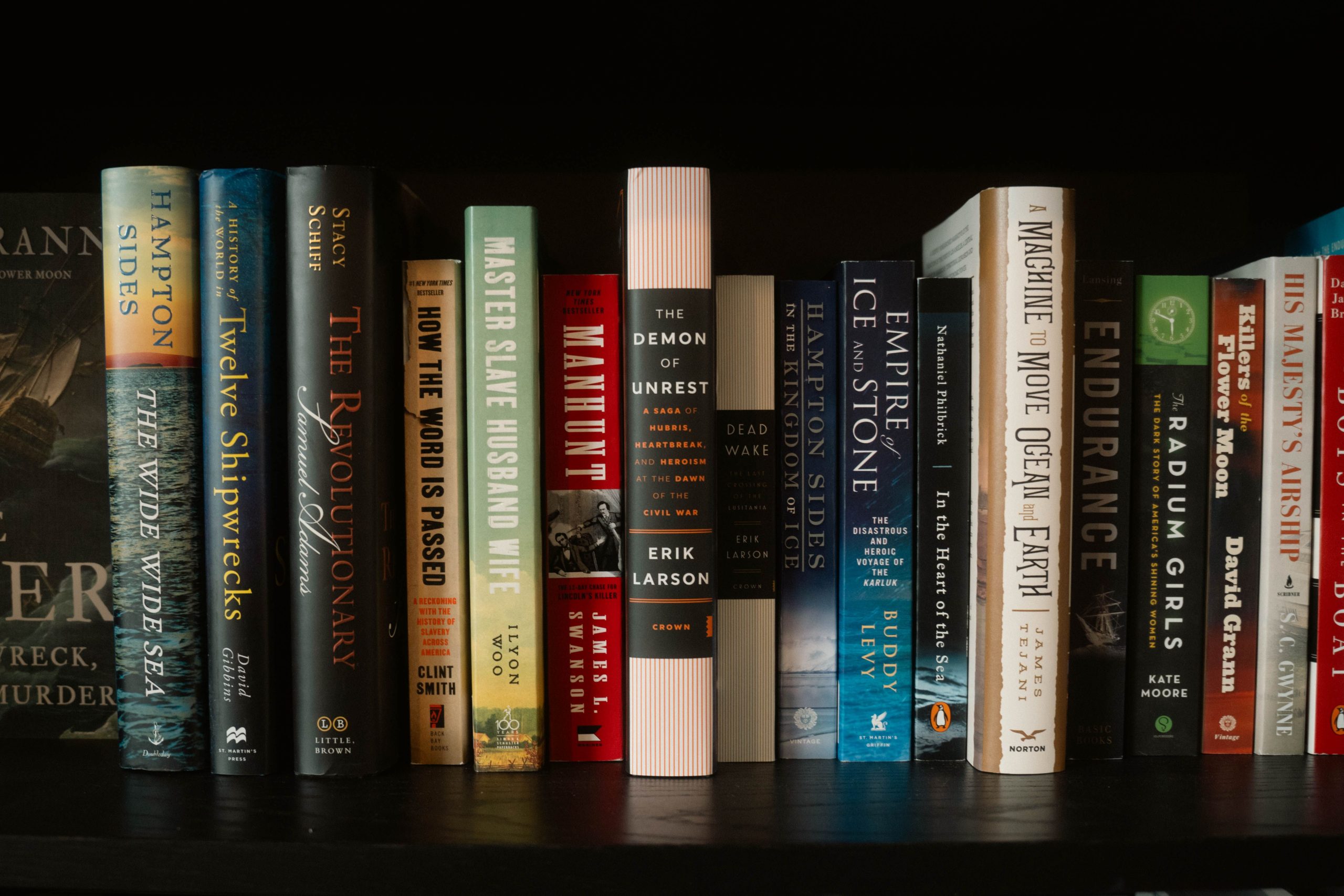
Are you fascinated by the lives of brilliant minds who changed the course of history? Whether you’re a science enthusiast or just looking to expand your literary horizons, reading the biographies of historic geniuses can offer profound insights into their groundbreaking ideas. This curated list presents the best scientific biography books that delve deep into the lives of some of the most celebrated intellectuals in history.
From revolutionary thinkers like Albert Einstein to trailblazers in genetics, these compelling narratives not only chronicle their achievements but also reveal the challenges they overcame. Let’s explore the top eight gems that will inspire and enlighten you!
1. Einstein: His Life and Universe – Best for Understanding Genius
This definitive biography by Walter Isaacson weaves together Einstein’s scientific discoveries and his personal life. It’s a riveting portrait of a man whose intellect reshaped our understanding of the universe.
Key Features:
- In-depth exploration of Einstein’s theories and their societal impact
- Personal anecdotes that humanize the scientific genius
- Illustrative insights into the challenges he faced
Pros:
- Engaging storytelling style
- Comprehensive research
- Accessible for readers of all backgrounds
Cons:
- Lengthy for some readers
- Detailed technical explanations may overwhelm
2. The Man Who Knew Infinity – Best for Mathematical Mastery
Robert Kanigel’s biography tells the extraordinary story of mathematician Srinivasa Ramanujan, whose life was filled with struggle and genius. It’s a profound narrative that highlights the beauty of mathematical passion.
Key Features:
- Detail-rich portrayal of Ramanujan’s life and work
- Exploration of his relationship with mentor G.H. Hardy
- Insight into mathematical landscapes and breakthroughs
Pros:
- Inspires readers with Ramanujan’s perseverance
- Brings complex mathematics to life
- Emphasizes cultural significance
Cons:
- Complex mathematical concepts can be challenging
- Some pacing issues in parts of the book
3. The Gene: An Intimate History – Best for Genetic Learning
In this compelling narrative, Siddhartha Mukherjee explores the science of genetics through personal stories and historical context. It’s a moving tribute to the power and implications of our genes.
Key Features:
- Interweaves family legacy with scientific history
- Thorough exploration of the ethical dilemmas in genetics
- Accessible narrative style for the general reader
Pros:
- Engaging and informative
- Provokes thought about genetic ethics
- Combines science with personal anecdotes
Cons:
- Length could be daunting for some
- Parts may feel repetitive
4. The Innovators: How a Group of Hackers, Geniuses, and Geeks Created the Digital Revolution – Best for Tech Enthusiasts
Walter Isaacson examines the contributions of numerous innovators who brought us the digital age. This book encapsulates their stories, making it perfect for understanding collaborative genius.
Key Features:
- Broad scope covering diverse contributors
- Intricate details about technological evolution
- Illustrates the power of teamwork in innovation
Pros:
- Highly informative and engaging
- Good balance of technical and personal stories
- Great for both tech-savvy and general audiences
Cons:
- Can feel scattered due to many subjects
- Limited focus on individual’s personal lives
5. The Wright Brothers – Best for Aviation Enthusiasts
David McCullough’s exhilarating account of Orville and Wilbur Wright chronicles their journey to achieve powered flight. It’s an inspiring tale of perseverance that showcases the spirit of innovation.
Key Features:
- Detailed exploration of their engineering challenges
- Focus on the Wright family’s support and teamwork
- Historical context surrounding the era of flight
Pros:
- Captivating narrative that reads like a novel
- Deeply researched historical insights
- Celebrates the spirit of American entrepreneurship
Cons:
- Lacks technical depth for aviation experts
- May miss out on broader scientific implications
6. The Double Helix: A Personal Account of the Discovery of the Structure of DNA – Best for Science Students
James D. Watson’s memoir about discovering DNA’s structure is a combination of science and personal narrative. It provides a unique glimpse into the competitive world of scientific research.
Key Features:
- Firsthand account of the scientific race
- Insider look at the roles of Watson and Crick
- Highlights the rivalry and collaboration in science
Pros:
- Vividly personal and straightforward writing style
- Captures the excitement of discovery
- Provides context on future genetic research
Cons:
- Controversial aspects of authorship discussed
- May come off as self-serving to some
7. A Beautiful Mind: The Life of Mathematical Genius and Nobel Laureate John Nash – Best for Mental Health Awareness
Sylvia Nasar’s biography brings the brilliance and struggles of John Nash into focus, revealing the interplay between his genius and his battle with mental illness. It’s a poignant reminder of the human side of brilliance.
Key Features:
- Engaging exploration of Nash’s contributions to mathematics
- Dives into his personal struggles with schizophrenia
- Highlights the role of support from family and friends
Pros:
- Inspires with resilience against adversity
- Powerful narrative that blends personal and professional
- Highly acclaimed and widely read
Cons:
- Subject matter may be difficult for some readers
- Focus on personal issues may overshadow achievements
8. The Physics of Time: Time Travel in Physics and Philosophy – Best for Quantum Physics Buffs
Stephen Hawking’s insightful analysis of time and its complexities provides both scientific and philosophical perspectives, making it an intriguing read for anyone curious about the nature of the universe.
Key Features:
- Explains complex concepts in an approachable manner
- Explores the implications of time travel in physics
- Blends science with philosophical questions
Pros:
- Thought-provoking and intellectually stimulating
- Covers a range of relevant topics
- Accessible for a general audience
Cons:
- Can be dense and challenging at times
- Some concepts may require prior knowledge
How to Choose the Right Biography
When selecting a biography, consider what you want to learn—do you want a deep understanding of scientific achievements, personal struggles, or cultural impacts? Look for books that not only highlight accomplishments but also explore the human experiences behind them. Check reviews and synopses to ensure you find a biography that matches your interests and reading level.
#ScientificBiographies #HistoricGeniuses #ScienceBooks #Inspiration #LiteratureLovers #HistoricalFigures #ReadingList #Biographies