
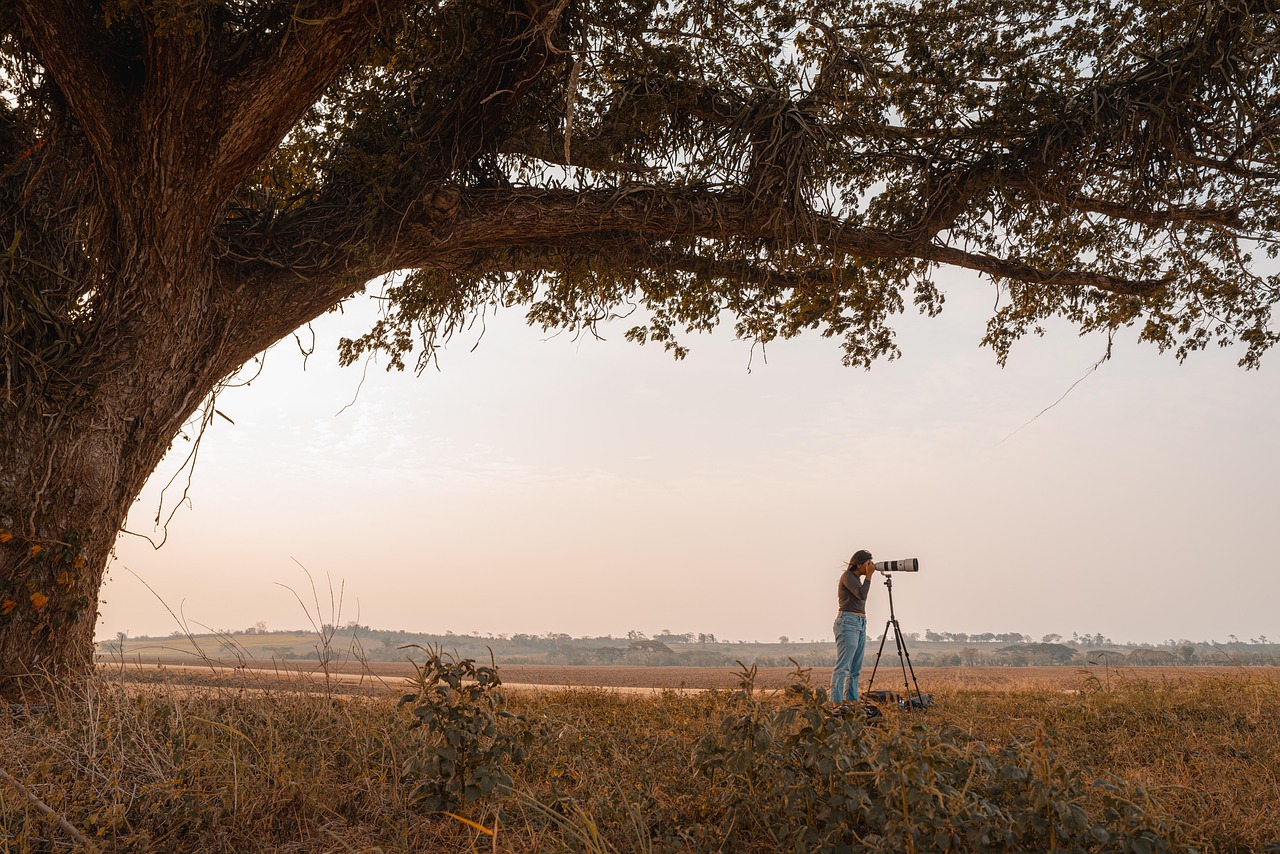
Are you passionate about nature and eager to enhance your observation skills? Engaging in nature observation and biology field tasks is a great way to deepen your understanding of the environment while honing your scientific skills. Whether you’re a budding biologist or an outdoor enthusiast, this list will guide you through the top 10 activities that will transform your field experience.
From identifying local flora and fauna to conducting small-scale experiments, these tasks not only enrich your knowledge but also bring you closer to nature. Let’s dive in!
1. Birdwatching – Best for Developing Patience and Observation Skills
Birdwatching is a timeless activity that allows you to connect with nature while improving your focus. By paying attention to bird behavior, calls, and appearances, you’ll develop keen observation skills that are essential for any biology enthusiast.
Key Features:
- Enhances listening and identification skills
- Encourages time spent outdoors
- Promotes awareness of local ecosystems
Pros:
- Low-cost and accessible
- Can be done solo or in groups
- Great for all ages
Cons:
- Requires patience and quiet
- Limited visibility depending on the time of year
2. Plant Identification – Best for Learning About Local Flora
Understanding the different species of plants in your area will deepen your appreciation of ecosystems. This task allows you to explore biodiversity and also aids in recognizing plants that can be beneficial or harmful.
Key Features:
- Boosts knowledge of botany
- Engages with local habitats
- Utilizes field guides or apps for assistance
Pros:
- Fosters curiosity about nature
- Can lead to foraging skills
- Easy to integrate into hikes
Cons:
- Some plants can be difficult to identify
- Potential for misinformation
3. Insect Counting – Best for Understanding Ecosystem Health
Participating in insect counts helps track biodiversity and understand the health of local ecosystems. Observing various insect species can provide insight into the environment and even global climate trends.
Key Features:
- Offers quantitative data collection
- Enhances species recognition skills
- Fosters awareness of ecosystems
Pros:
- Contributes to citizen science projects
- Engages with various habitats
- Encourages teamwork
Cons:
- May require special equipment for identification
- Time-consuming without immediate results
4. Water Sampling – Best for Exploring Aquatic Ecosystems
Water sampling provides insights into the health of aquatic ecosystems. Gathering data from local ponds, rivers, or lakes enables you to study water quality and the organisms that inhabit aquatic environments.
Key Features:
- Hands-on experience with water analysis techniques
- Can reveal pollution levels
- Data contributes to environmental studies
Pros:
- Interactive and educational
- Promotes teamwork and collaboration
- Can lead to broader environmental advocacy
Cons:
- Requires specific tools for accurate results
- Can vary greatly depending on location
5. Nest Monitoring – Best for Studying Bird Behavior
Monitoring bird nests provides critical data on reproductive success and parenting behaviors while enabling the researcher to develop patience and detailed tracking techniques. This task fosters respect for wildlife and its environment.
Key Features:
- Teaches tracking and observation skills
- Reveals insights into breeding patterns
- Provides valuable data for conservation efforts
Pros:
- Deepens understanding of wildlife
- Contributes to bird conservation
- Can be documented and shared
Cons:
- Requires ethical considerations
- May disturb nesting birds if not done properly
6. Nature Journaling – Best for Reflective Learning
Nature journaling combines observation with creativity. This practice encourages detailed note-taking and sketching, which can enhance memory and promote mindfulness during your field tasks.
Key Features:
- Improves observation and writing skills
- Encourages creativity and personal expression
- Serves as a visual record of experiences
Pros:
- Supports cognitive development
- Can be a private or communal activity
- Encourages regular time spent outdoors
Cons:
- Requires time and dedication
- May be daunting for some beginners
7. Wildlife Tracking – Best for Enhancing Observational Skills
Wildlife tracking involves identifying animal footprints, scat, and other signs of animal activity. This task allows you to learn about animal behavior and habitats while developing important field skills in observation and deduction.
Key Features:
- Builds skills in identifying species
- Connects you to local wildlife
- Explores ecological relationships
Pros:
- Engages deeply with nature
- Can lead to unique and surprising discoveries
- Offers teamwork opportunities
Cons:
- Requires patience and time
- May have limited success during certain seasons
8. Habitat Assessment – Best for Understanding Ecosystem Dynamics
Conducting habitat assessments provides critical information about local ecosystems, such as plant density and animal populations. This task builds foundational skills for any budding ecologist.
Key Features:
- Focuses on biodiversity assessment
- Aids in conservation efforts
- Engages in analytical thinking
Pros:
- Can lead to actionable environmental changes
- Supports educational initiatives
- Fosters community involvement
Cons:
- Requires systematic approaches
- Analysis can be technically challenging
9. Soil Sampling – Best for Understanding Ecosystem Interactions
Soil sampling allows you to understand the foundation of ecosystems. Analyzing soil health fosters knowledge of plant growth factors and nutrient cycling, which is critical for environmental studies.
Key Features:
- Reveals information about soil composition
- Fosters knowledge of agricultural practices
- Supports discussions on sustainability
Pros:
- Hands-on learning experience
- Can lead to community gardening efforts
- Affects local agricultural practices
Cons:
- Requires proper tools and testing analysis
- Can be affected by weather conditions
10. Bioblitz – Best for Comprehensive Species Inventory
A bioblitz is a time-bound event where participants gather as many species as possible in a specific area. This collaborative effort enhances community spirit and contributes valuable data to local conservation efforts.
Key Features:
- Encourages community engagement
- Targets biodiversity documentation
- Promotes excitement around nature
Pros:
- Fostering teamwork and collaboration
- Creates a sense of urgency and focus
- Generates valuable ecological data
Cons:
- Can be daunting for beginner participants
- Requires considerable organization
How to Choose the Right Nature Observation Task
When selecting a nature observation or biology field task, consider your interests, the time you can commit, and your local environment. Start with activities that intrigue you the most and can be easily integrated into your routine. Engaging in a variety of tasks will offer a broader understanding of ecosystems and enrich your knowledge.
#NatureObservation #BiologyFieldTasks #EcoFriendlyActivities #CitizenScience #BiodiversityExploration #WildlifeTracking #OutdoorLearning #ScienceInNature