
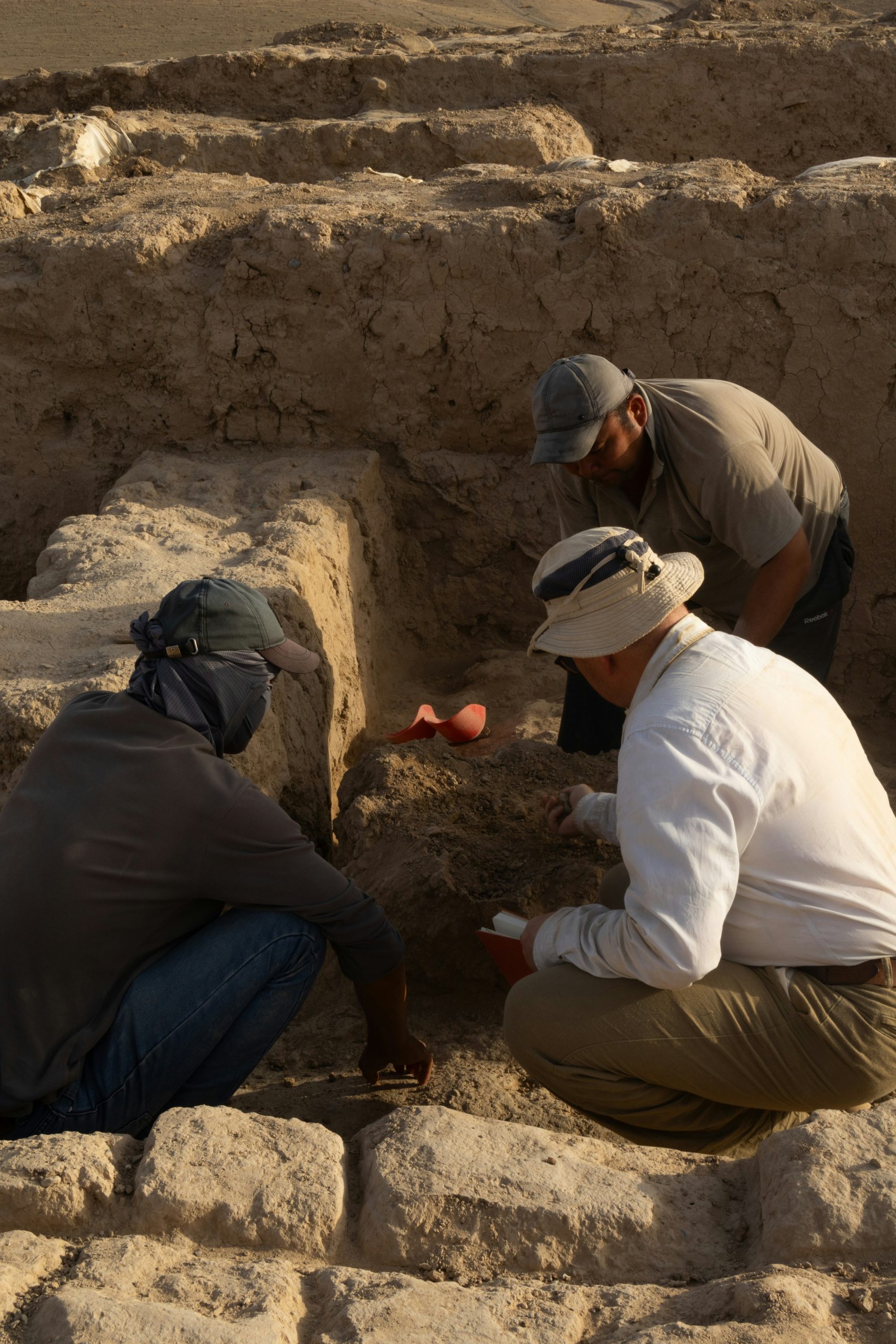
Ever wondered how buried secrets from the past have shaped our understanding of ancient civilizations? Archaeological discoveries have played a pivotal role in unraveling historical enigmas, providing us with glimpses into the lives and cultures of our ancestors. From lost cities to mysterious artifacts, these finds have opened windows to the past and answered questions we never knew we had.
In this list, we’ll explore eight remarkable archaeological discoveries that have shed light on ancient mysteries, igniting our curiosity and appreciation for human history. Get ready to dive into the intriguing stories that these finds hold!
1. The Rosetta Stone – Key to Ancient Egypt
This artifact was crucial in understanding Egyptian hieroglyphs, which had baffled scholars for centuries. The Rosetta Stone features inscriptions in three scripts, allowing linguists to finally decode the ancient language and read Egyptian texts.
Key Features:
- Features three scripts: Greek, Demotic, and hieroglyphs.
- Found in 1799 by French soldiers in Egypt.
- Now housed in the British Museum.
Pros:
- Unlocks understanding of Egyptian history and culture.
- Facilitated the study of ancient languages.
- Symbolizes the connection between different cultures.
Cons:
- Controversial ownership debate.
- Some argue that it oversimplifies complex languages.
- Only one of many artifacts depicting early Egyptian life.
2. The Terracotta Army – Guardians of the Emperor
Discovered in 1974, this astonishing collection of life-size statues was buried with China’s first emperor, Qin Shi Huang. The Terracotta Army consists of thousands of soldiers, horses, and chariots, designed to protect him in the afterlife.
Key Features:
- Over 8,000 soldiers, 670 horses, and 130 chariots.
- Each figure exhibits unique facial features.
- Buried near Xi’an, China, in massive underground pits.
Pros:
- Provides insight into ancient Chinese burial practices.
- Demonstrates advanced craftsmanship and artistry.
- Enriches our understanding of the Qin dynasty.
Cons:
- Preservation challenges due to environmental conditions.
- Limited information on the labor force that created it.
- Some statues remain unexcavated.
3. Göbekli Tepe – The World’s First Temple
This archaeological site in Turkey has redefined our understanding of prehistoric society. Dating back to around 10,000 BC, Göbekli Tepe features monumental stone pillars arranged in circles, thought to be a religious site long before the advent of agriculture.
Key Features:
- Dates back to the Pre-Pottery Neolithic period.
- Considered the oldest known temple complex.
- Features intricate carvings of animals and symbols.
Pros:
- Challenges previous beliefs about the evolution of human settlements.
- Reveals the significance of ritual and spirituality in early societies.
- Offers insight into hunter-gatherer cultures.
Cons:
- Limited understanding of the site’s exact purpose.
- Struggles with conservation and tourism impact.
- Ongoing excavation reveals new layers of complexity.
4. The Dead Sea Scrolls – Ancient Religious Texts
Unearthed in the 1940s, these ancient manuscripts have provided invaluable insights into early Judaism and Christianity. Dating back to the 3rd century BC, the scrolls include some of the oldest copies of biblical texts, shedding light on religious beliefs and practices of the time.
Key Features:
- Discovered in caves near the Dead Sea.
- Includes biblical texts, sectarian writings, and community rules.
- Preserved on papyrus and parchment.
Pros:
- Enhances understanding of religious history and development.
- Offers insights into Jewish practices prior to Christianity.
- Contributes significantly to biblical scholarship.
Cons:
- Fragmentary nature makes interpretation challenging.
- Ownership controversies between institutions and countries.
- Conservation of the materials is difficult.
5. Machu Picchu – The Incan Citadel
This iconic archaeological site in Peru is a stunning example of Incan architecture and ingenuity. Hidden in the Andes, Machu Picchu was rediscovered in 1911 and has since become a symbol of Inca civilization and its mysterious decline.
Key Features:
- Perched high in the Andes Mountains.
- Features advanced agricultural terraces and structures.
- Believed to be a royal estate or religious site.
Pros:
- Offers insights into Incan engineering and architecture.
- Stunning natural beauty enhances its allure.
- Preservation of cultural heritage site for future generations.
Cons:
- Overtourism threatens the site’s integrity.
- Inaccessible to some due to altitude.
- Many mysteries about its purpose remain unsolved.
6. Stonehenge – The Megalithic Mystery
Located in England, Stonehenge is one of the most famous prehistoric monuments in the world. Its purpose and construction methods have ignited fascination and debate among archaeologists and historians alike for centuries.
Key Features:
- Constructed between 3000 BC and 2000 BC.
- Composed of massive stone blocks arranged in a circular pattern.
- Thought to have astronomical alignments.
Pros:
- Encourages exploration of ancient engineering techniques.
- Offers potential insights into prehistoric spiritual practices.
- Draws tourists and researchers from around the globe.
Cons:
- Puzzles about its purpose remain unresolved.
- Vandalism and deterioration issues.
- Accessibility limited during preservation efforts.
7. Pompeii – A Frozen Moment in Time
The eruption of Mount Vesuvius in 79 AD buried the Roman city of Pompeii in ash, preserving it in a remarkable state for centuries. The excavation of Pompeii has provided a unique glimpse into daily life in ancient Rome.
Key Features:
- Frozen in time under volcanic ash.
- Houses, artworks, and artifacts were well-preserved.
- Detailed insights into Roman social structures.
Pros:
- Offers detailed insight into Roman life and culture.
- Provides evidence of Roman engineering and architecture.
- Helps understand the effects of natural disasters on civilizations.
Cons:
- Continuous risks from visitors and natural erosion.
- Excavation ongoing, with many areas still unexcavated.
- Interpretations can vary widely among scholars.
8. The Lascaux Caves – Prehistoric Art
Discovered in France in 1940, the Lascaux Caves feature some of the most significant prehistoric cave paintings in the world. Dating back to around 17,000 years ago, these paintings have transformed our understanding of early human creativity and symbolism.
Key Features:
- Over 600 animal figures and symbols painted on cave walls.
- Believed to be linked to hunting rituals and spiritual beliefs.
- Preserved as a UNESCO World Heritage site.
Pros:
- Highlights early artistic expression and culture.
- Provides clues to prehistoric life and beliefs.
- Fascinates visitors with its rich history.
Cons:
- Access limited to preserve the caves.
- Environmental conditions threaten the paintings.
- Ongoing research continues to raise new questions.
How to Choose the Most Fascinating Archaeological Finds
When exploring archaeological discoveries, focus on those that offer insight into human culture, innovative techniques, and the socio-political dynamics of ancient societies. Consider the historical context and the impact these findings have on our understanding of the past. Remember, every find has a story waiting to be unraveled!
#Archaeology #AncientMysteries #HistoricalDiscoveries #CulturalHeritage #TimelessFinds #HistoryLovers #PrehistoricArt