
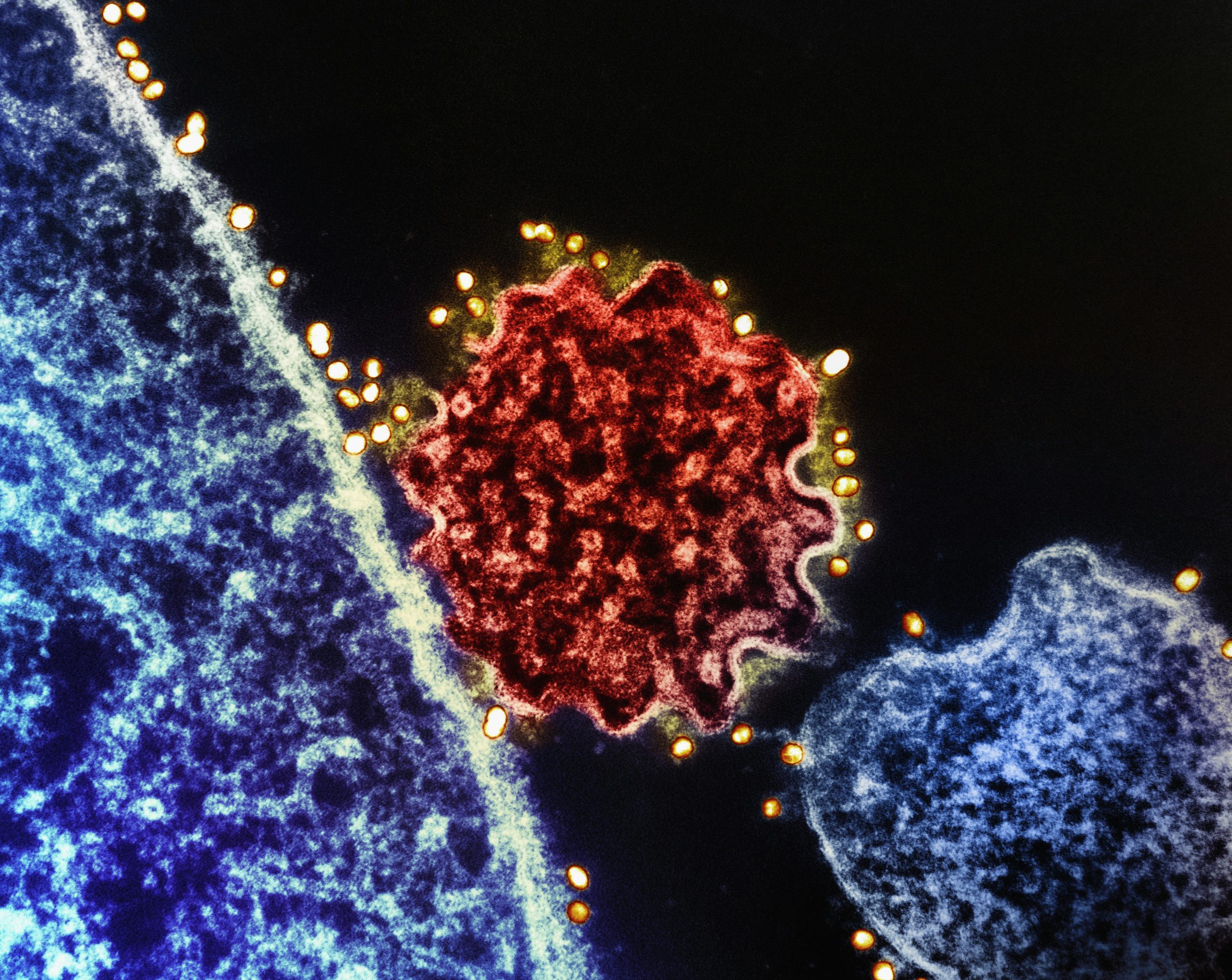
The human immune system is a marvel, capable of defending our bodies against countless pathogens. At the heart of this defense lie antibody response mechanisms, each playing a critical role in identifying and neutralizing threats. Understanding these mechanisms can empower you to appreciate the complex workings of your immune system.
Whether you’re a student, health professional, or simply a curious mind, this guide will help you navigate through the best antibody response mechanisms. Let’s dive in!
1. Neutralization – Best For Blocking Pathogen Entry
Neutralization is one of the most crucial antibody response mechanisms where antibodies bind to pathogens, preventing them from entering cells and causing infection. This mechanism is essential for stopping viral infections and ensuring pathogen clearance.
Key Features:
- Antibodies block virus and toxin binding sites.
- Prevents pathogen entry into host cells.
- Supports memory system formation for future responses.
Pros:
- Highly effective against a variety of pathogens.
- Long-lasting immunity through memory cells.
- Can be induced by vaccines.
Cons:
- Not all antibodies are effective against all pathogens.
- Some viruses can mutate, escaping neutralization.
2. Opsonization – Best For Enhancing Phagocytosis
Opsonization enhances the ability of phagocytes to engulf and digest pathogens by coating them with antibodies, making them easier targets for immune cells. This is particularly effective against bacteria.
Key Features:
- Increases phagocyte recognition of pathogens.
- Involves complement proteins for enhanced efficiency.
- Creates a more powerful immune response.
Pros:
- Boosts phagocytic activity significantly.
- Rapid response in bacterial infections.
- Essential for clearing out dead cells and debris.
Cons:
- Relies on adequate levels of antibodies.
- Overactivation can lead to tissue damage.
3. Agglutination – Best For Clumping Pathogens
Agglutination involves the clumping of pathogens by antibodies, making it easier for immune cells to locate and destroy them. This mechanism is pivotal in the body’s initial response to infection.
Key Features:
- Forms visible aggregates of pathogens.
- Enhances pathogen clearance from the bloodstream.
- Stimulates complementary immune responses.
Pros:
- Effective for large-scale pathogen neutralization.
- Aids in quicker clearance from circulation.
- Useful in laboratory diagnostics.
Cons:
- Requires a high concentration of antibodies.
- Not all pathogens aggregate well.
4. Complement Activation – Best For Destroying Pathogens
Complement activation is a cascade of proteins that enhances the effectiveness of antibodies and phagocytic cells. It leads to the destruction of pathogens through direct lysis.
Key Features:
- Triggers inflammatory responses.
- Promotes opsonization and recruitment of immune cells.
- Directly lyses pathogens via the membrane attack complex.
Pros:
- Provides a powerful additional means of pathogen destruction.
- Amplifies the overall immune response.
- Works in conjunction with antibodies for enhanced defense.
Cons:
- Can cause inflammation and tissue damage if overactivated.
- Systemic activation may lead to complications.
5. Antibody-Dependent Cellular Cytotoxicity (ADCC) – Best For Targeting Infected Cells
ADCC is a mechanism where antibodies coat infected cells, signaling natural killer (NK) cells to destroy them. This process is vital for eliminating cells that harbor viruses or tumors.
Key Features:
- Direct killing of infected or cancerous cells.
- Enhances the immune system’s ability to detect infected cells.
- Involves both innate and adaptive immunity.
Pros:
- Effective against viral infections and tumors.
- Utilized in certain immunotherapies.
- Promotes targeted immune response.
Cons:
- Requires specific antibody affinities.
- Dependent on the presence of NK cells.
6. Class Switching – Best For Tailoring Immune Responses
Class switching is a crucial process where B cells change the class of antibody they produce, allowing for a more specialized response to different types of pathogens, enhancing their effectiveness over time.
Key Features:
- Allows for diverse antibody classes (IgM, IgG, IgA, etc.).
- Enables the immune system to adapt to different pathogens.
- Increased effectiveness in neutralization and opsonization.
Pros:
- Enhances the body’s tailored response to specific threats.
- Facilitates long-term memory responses.
- Improves functional capacity of antibodies.
Cons:
- Can lead to mismatches in antibody response.
- Potential for autoimmunity with incorrect switching.
7. Memory Cell Formation – Best For Long-Term Immunity
Memory cells are formed after initial exposure to a pathogen, providing long-lasting immunity. They ensure that your body can mount a rapid response upon re-exposure, significantly reducing illness duration.
Key Features:
- Provides rapid response to previously encountered pathogens.
- Relies on both B and T cell memory.
- Amplifies the effectiveness of subsequent immune responses.
Pros:
- Creates durable immunity after vaccination or infection.
- Improves the speed and magnitude of future responses.
- Key feature in vaccine design.
Cons:
- Memory can wane over time for certain pathogens.
- Not all infections lead to effective memory formation.
8. Cytokine Release – Best For Coordinating Immune Responses
Cytokines are signaling proteins released by immune cells that mediate and regulate immunity and inflammation. Their targeted release is crucial for orchestrating an effective immune response across various cells.
Key Features:
- Modulates immune responses and inflammation.
- Facilitates communication between immune cells.
- Influences the differentiation of immune system components.
Pros:
- Drives appropriate immune responses based on the threat.
- Enhances collaboration among different immune system players.
- Can promote healing following an infection.
Cons:
- Excessive cytokine release can lead to systemic inflammation.
- Miss-regulation can contribute to autoimmune diseases.
How to Choose the Right Understanding of Antibody Response Mechanisms
When exploring antibody response mechanisms, consider the context in which you’re studying or applying this knowledge. Focus on mechanisms that are most relevant to your interests, whether that’s in immunology research, clinical applications, or personal health. Keep in mind the balance between understanding the basic concepts and their specific clinical implications.
#Immunology #Antibodies #Healthcare #Biomedicine #ScienceEducation #ImmuneSystem #MedicalResearch #HealthAwareness