
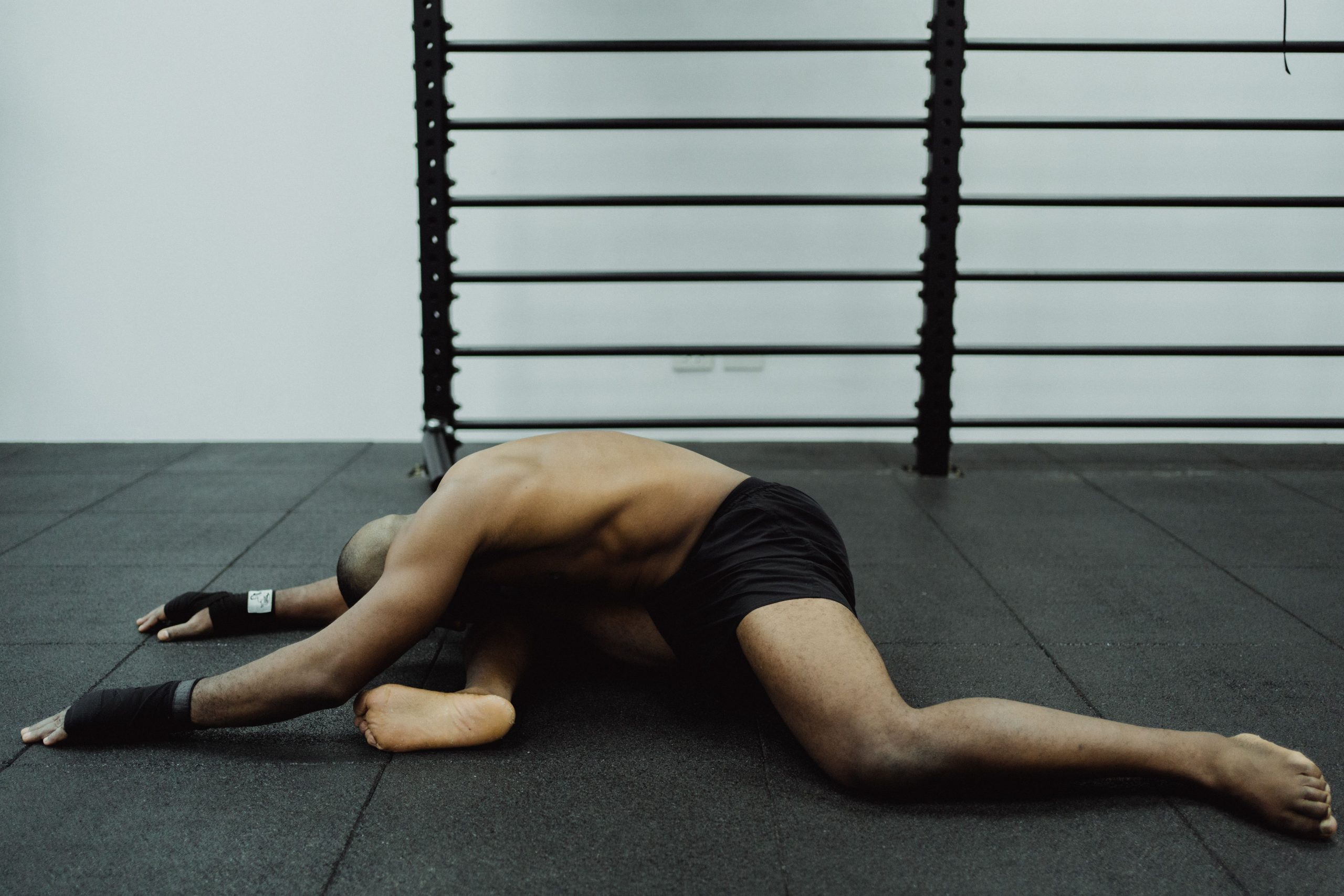
Feeling tight in your hamstrings after a workout? You’re not alone! Many fitness enthusiasts struggle with tight hamstrings, which can lead to discomfort and reduced mobility. The right post-workout stretches can alleviate tension and improve flexibility, making your recovery more effective.
In this listicle, we’ll explore the top six stretches that target tight hamstrings, helping you move freely and enhance your recovery. Let’s dive in!
1. Standing Hamstring Stretch – Best for Quick Relief
This simple standing stretch is perfect for easing tightness right after your workout. It helps elongate the hamstring muscles and improve flexibility, making it a go-to for immediate relief.
Key Features:
- Easy to perform anywhere, no props needed
- Targets both hamstrings efficiently
- Can be modified for various flexibility levels
Pros:
- Quick to do post-workout
- Increases blood flow to the muscles
- Helps develop better posture
Cons:
- May be difficult for those with severe tightness
- Can strain the lower back if not performed correctly
2. Seated Forward Bend – Best for Deep Stretching
The seated forward bend allows you to deeply stretch your hamstrings and lower back simultaneously. This stretch is ideal for those who want to enhance their flexibility over time.
Key Features:
- Targets hamstrings, calves, and back
- Encourages relaxation after intense workouts
- Promotes better spinal alignment
Pros:
- Great for those who sit frequently
- Helps relieve tension in the lower back
- Can improve overall flexibility
Cons:
- Requires good form to avoid injury
- May be uncomfortable for beginners
3. Supine Hamstring Stretch – Best for Targeted Relief
This stretch is excellent for those looking for a more targeted approach to stretching their hamstrings. By lying on your back, it’s easier to control the stretch and avoid unnecessary tension elsewhere.
Key Features:
- Can be done with or without a strap
- Isolates the hamstrings effectively
- Provides a gentle stretch for tight muscles
Pros:
- Reduces risk of lower back pain
- Can be adapted for all flexibility levels
- Offers a relaxing stretch when performed slowly
Cons:
- May take time to get into the right position
- Not suitable if you have lower back issues
4. Pigeon Pose – Best for Hip and Hamstring Flexibility
Pigeon pose not only stretches the hamstrings but also loosens tight hips. This stretch is ideal for athletes involved in high-intensity sports or those who experience tightness due to prolonged sitting.
Key Features:
- Opens hips while stretching hamstrings
- Improves circulation in the lower body
- Enhances overall flexibility and balance
Pros:
- Effective for improving hip mobility
- Can relieve sciatica symptoms
- Strengthens the core while stretching
Cons:
- Can be challenging for beginners
- Requires good hip strength and flexibility
5. Butterfly Stretch – Best for Overall Leg Flexibility
The butterfly stretch not only benefits the hamstrings but also opens up the groin area. It’s a fantastic option for those looking to improve their overall leg flexibility.
Key Features:
- Stretches inner thighs and hamstrings effectively
- Great for warming up and cooling down
- Simple and accessible for all levels
Pros:
- Easily adjustable intensity
- DBrings a sense of relaxation
- Can be done seated, enhancing comfort
Cons:
- May not stretch hamstrings effectively alone
- Can exacerbate groin discomfort if not careful
6. Lying Down Hamstring Stretch with a Strap – Best for Safe Stretching
This stretch uses a strap to gently pull the leg towards your body, allowing for a more controlled and safe hamstring stretch. It’s excellent for those who want to prevent injury during their routine.
Key Features:
- Reduces strain on the back
- Allows for gradual flexibility improvement
- Great for all fitness levels
Pros:
- Increased control over the stretch
- Helpful for rehabilitation after injury
- Can enhance stretching depth gradually
Cons:
- Requires a stretching strap
- May be challenging for those with limited mobility
How to Choose the Right Stretch for You
When selecting a stretch for your post-workout routine, consider the following factors: your fitness level, any existing injuries, and your specific tight areas. Start slow, listen to your body, and gradually incorporate these stretches into your routine for optimal results.
#PostWorkout #HamstringStretch #FitnessRecovery #StretchingRoutine #Flexibility #HealthyLiving #WorkoutRecovery #ActiveLifestyle