
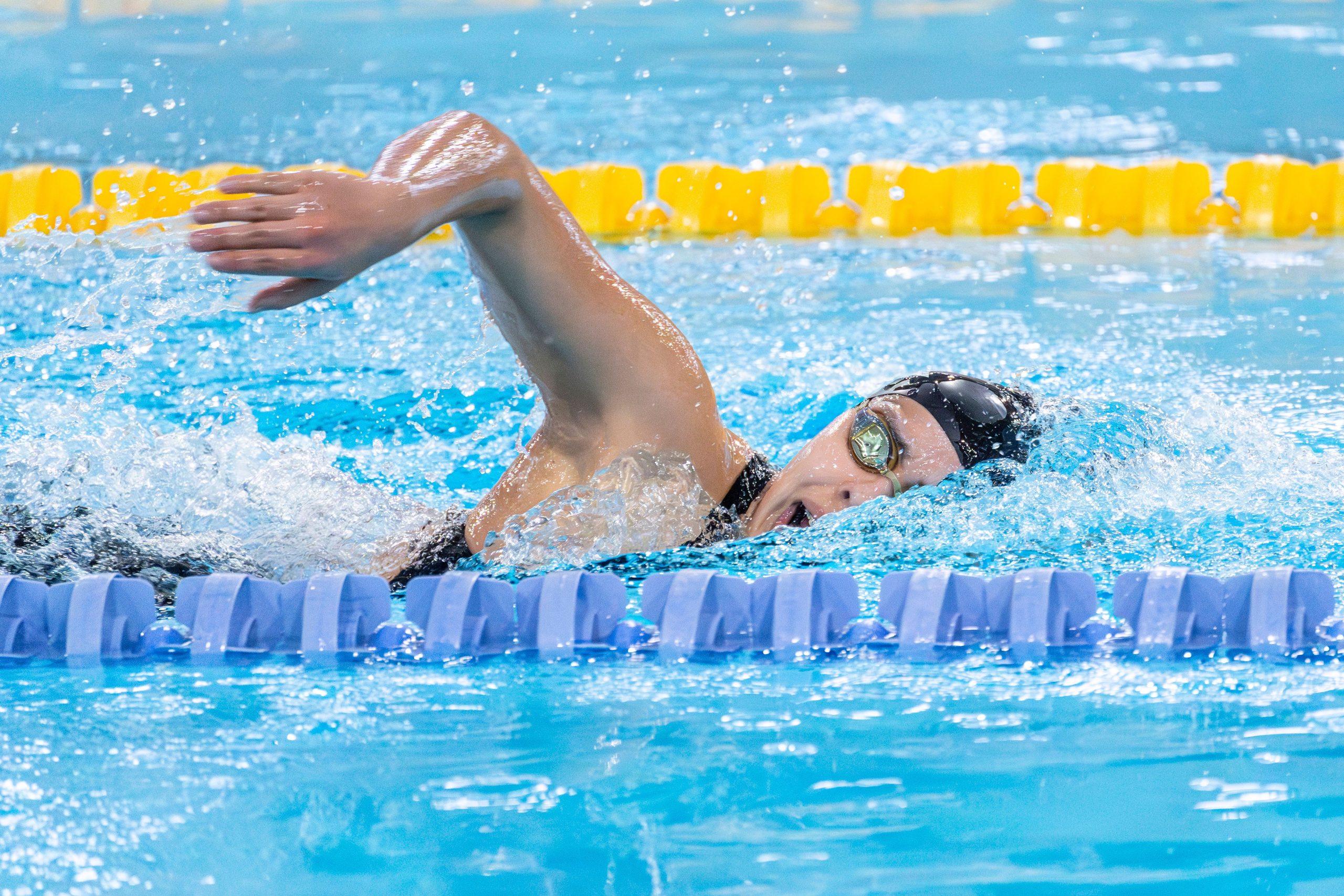
Are you struggling to master the freestyle stroke? Whether you’re a beginner or a seasoned swimmer, improving your technique can lead to faster times and enhanced endurance. The right swimming drills can make a world of difference, helping you fine-tune your stroke mechanics and build confidence in the water.
In this article, we will dive into the 10 best swimming drills designed to fix your freestyle stroke. Each drill targets specific areas of your technique, allowing you to swim more efficiently and effectively. Get ready to transform your freestyle game!
1. Catch-Up Drill – Best For Arm Technique
The Catch-Up Drill emphasizes a proper catch phase in your freestyle stroke. By ensuring that one arm is fully extended while the other completes its stroke, you can enhance your recovery and streamline your movement.
Key Features:
- Improves arm extension and entry
- Enhances body rotation
- Reduces drag in the water
Pros:
- Helps develop a more efficient stroke
- Increases awareness of arm position
- Can be done with or without a pull buoy
Cons:
- Can feel slow and awkward initially
- Requires focus to maintain proper technique
2. One-Arm Drill – Best For Balance
This drill focuses on swimming with one arm while the other is at your side, which promotes better balance and helps identify weaknesses in your stroke.
Key Features:
- Improves body positioning
- Encourages a stronger pull
- Helps swimmers focus on their entry and recovery
Pros:
- Highlights imbalances and promotes correction
- Strengthens strokes alternately
- Improves endurance with focused effort
Cons:
- May lead to fatigue if done too long
- Can feel unbalanced for beginners
3. Fingertip Drag Drill – Best For Full Arm Movement
The Fingertip Drag Drill involves dragging your fingertips along the surface of the water during the recovery phase, ensuring high elbows and a proper hand position.
Key Features:
- Improves elbow height
- Encourages a relaxed recovery
- Promotes correct hand entry
Pros:
- Great visual aid for correct technique
- Helps reduce wrist strain
- Can be done at any speed
Cons:
- May feel unnatural at first
- Can be difficult to maintain throughout the swim
4. 3-3-3 Drill – Best For Overall Coordination
The 3-3-3 Drill consists of alternating between three strokes with one arm, three strokes with the other, and then three full strokes. This promotes coordination and smooth transitions.
Key Features:
- Encourages a smooth stroke transition
- Enhances coordination between arms and breathing
- Promotes proper rotation
Pros:
- Increases overall body awareness
- Great for improving breathing technique
- Flexible for varying skill levels
Cons:
- Requires focus to maintain rhythm
- Can be tiring after extended practice
5. Vertical Kicking Drill – Best For Leg Strength
This drill involves performing vertical kicks while keeping your arms out of the water. It strengthens your legs and improves your kick while developing core stability.
Key Features:
- Enhances leg strength and endurance
- Improves kick efficiency
- Promotes core engagement
Pros:
- Effective for muscle conditioning
- Can be varied by altering kick intensity
- Easy to perform in deep water
Cons:
- Can be challenging for beginners
- May cause fatigue in the legs
6. Breathing Pattern Drill – Best For Breath Control
This drill works on establishing a consistent breathing pattern. By controlling when and how you breathe, you can boost your overall performance and reduce fatigue.
Key Features:
- Improves breath timing
- Allows for better stroke cadence
- Reduces breath-related anxiety
Pros:
- Enhances overall swimming rhythm
- Helps swimmers feel more relaxed
- Encourages better technique
Cons:
- Can be tough to master for some
- May lead to awkward breathing rhythm
7. Sculling Drill – Best For Hand Feel
The Sculling Drill focuses on hand positioning and water feel. By keeping your arms close to your body and performing small sculling motions, you can learn the essential mechanics of your catch.
Key Features:
- Enhances hand sensitivity
- Improves stroke efficiency
- Encourages proper body alignment
Pros:
- Great for fine-tuning strokes
- Can be done easily in any session
- Builds better overall control
Cons:
- Not as helpful for kick improvement
- Can feel repetitive if overdone
8. Pull Buoy Drill – Best For Arm Strength
This drill involves using a pull buoy between your thighs, allowing you to focus solely on your arm movements without worrying about kicking. It strengthens your upper body and refines your stroke technique.
Key Features:
- Focuses on upper body strength
- Helps isolate arm strokes
- Improves technique without kicking
Pros:
- Great for form and stroke correction
- Can build confidence in arm strength
- Versatile for a variety of workouts
Cons:
- Doesn’t improve leg strength
- May cause over-reliance on buoy
9. Swim Drills with Fins – Best For Speed and Power
Using fins adds propulsion and makes it easier to maintain a streamlined position, allowing swimmers to work on their technique without getting fatigued too quickly.
Key Features:
- Increases speed through propulsion
- Enhances leg strength effortlessly
- Offers a different perspective on technique
Pros:
- Motivating tool for faster workouts
- Encourages better kick technique
- Easy to work on technique while fatigued
Cons:
- May become reliant on fins
- Can mask flaws in the stroke
10. Threshold Swim – Best For Endurance
Incorporating threshold swims means pushing your limits at higher intensities. This helps to build stamina and ensures that you can sustain a fast speed during competitions.
Key Features:
- Promotes cardiovascular conditioning
- Enhances mental toughness
- Improves race pacing ability
Pros:
- Builds endurance over time
- Encourages competitive mentality
- Varies workout intensity
Cons:
- Can be physically demanding
- May require recovery time
How to Choose the Right Drills
When selecting drills to improve your freestyle stroke, consider your individual strengths and weaknesses. Focus on drills that address specific aspects of your technique, whether that’s breath control, arm mechanics, or leg strength. Additionally, incorporate a variety of drills into your routine for a well-rounded approach, and don’t forget to listen to your body to prevent injury.
#SwimmingDrills #FreestyleStroke #SwimTechnique #SwimmingTips #EnduranceTraining #SwimImprovement #Fitness #SwimBetter