
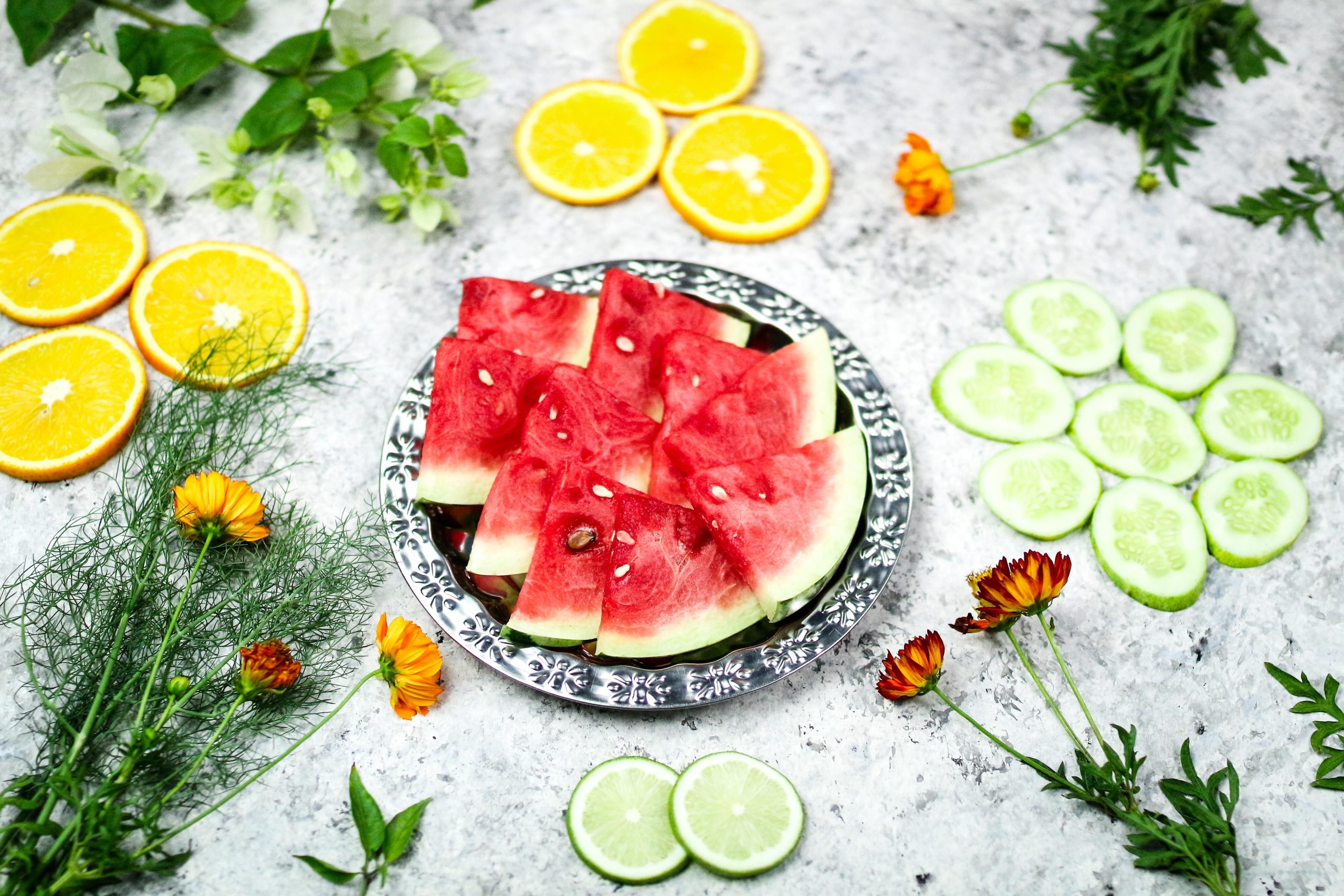
Staying hydrated is essential for maintaining optimal health, and incorporating hydrating fruits and vegetables into your diet can significantly boost your wellness. Not only do these foods quench your thirst, but they also provide essential vitamins and minerals.
In this article, we’ll explore the eight best hydrating fruits and vegetables that can keep you nourished and refreshed. Say goodbye to dehydration and hello to vibrant health!
1. Watermelon – Best For Maximum Hydration
Watermelon is the ultimate hydrating fruit, made up of about 92% water. It’s not only refreshing but also packed with vitamins A and C, making it a great choice for hydration while promoting skin health.
Key Features:
- High water content
- Rich in vitamins A and C
- Low in calories
Pros:
- Delicious and sweet
- Perfect for summer outings
- Can be enjoyed in salads or smoothies
Cons:
- May cause digestive issues in excess
- Not as easy to carry around
2. Cucumber – Best For Refreshing Crunch
Cucumbers are not only low in calories but also contain about 95% water, making them a crunchy and hydrating snack. They’re excellent in salads or as a refreshing addition to your water.
Key Features:
- High water content
- Low in calories
- Contains fiber for digestion
Pros:
- Great for weight loss
- Versatile in various dishes
- Easy to prepare
Cons:
- Flavor may be too mild for some
- Can spoil quickly if not stored properly
3. Strawberries – Best For Sweet Hydration
Strawberries are about 91% water and are also rich in antioxidants. This makes them not only hydrating but also beneficial for your overall health, particularly your heart.
Key Features:
- High antioxidant content
- Rich in vitamin C
- Contains beneficial plant compounds
Pros:
- Sweet and delicious
- Great source of fiber
- Perfect for smoothies and desserts
Cons:
- Can be expensive out of season
- May cause allergies in some individuals
4. Spinach – Best For Nutrient-Dense Hydration
Spinach consists of about 91% water and provides a plethora of nutrients, including iron, calcium, and vitamins. It’s a fantastic addition to salads and smoothies, giving you hydration and health benefits.
Key Features:
- High in vitamins A, C, and K
- Rich in iron and calcium
- Contains antioxidants
Pros:
- Versatile in recipes
- Boosts energy and wellness
- Low-calorie superfood
Cons:
- Can spoil quickly
- Requires preparation and cleaning
5. Oranges – Best For Boosting Immunity
Oranges are not only juicy and refreshing but also provide about 86% water content. Rich in vitamin C, they are perfect for hydration and enhancing your immune system.
Key Features:
- High in vitamin C
- Good source of fiber
- Contains flavonoids and antioxidants
Pros:
- Great tasting
- Portable and easy to snack on
- Increases hydration with a sweet flavor
Cons:
- May cause stomach issues if overconsumed
- Peeling can be messy
6. Pineapple – Best For Tropical Refreshment
Pineapples contain about 86% water and are packed with vitamins, minerals, and bromelain, an enzyme that may aid digestion. Their sweet and tart flavor makes them a fantastic choice for hydration.
Key Features:
- Rich in vitamin C
- Contains bromelain
- Low in calories
Pros:
- Deliciously sweet
- Aids in digestion
- Versatile in recipes
Cons:
- Can be difficult to peel
- May cause mouth irritation in some
7. Tomatoes – Best For Savory Hydration
Tomatoes consist of about 95% water, making them an excellent hydrating vegetable. Packed with vitamins C and K, they are a fantastic source for healthy meals and snacks.
Key Features:
- High in vitamins C and K
- Rich in antioxidants like lycopene
- Low in calories
Pros:
- Great for cooking and salads
- Improves heart health
- Full of flavor
Cons:
- Can be acidic for some
- Requires cooking to enhance flavor
8. Zucchini – Best For Low-Calorie Hydration
Zucchini is over 90% water and is an excellent choice for hydration while being low in calories. It’s perfect for adding to various dishes or even spiraling into noodles.
Key Features:
- High water content
- Contains vitamin C
- Low in calories
Pros:
- Versatile in cooking
- Easy to incorporate into meals
- Low-calorie option for snacking
Cons:
- Can become mushy when overcooked
- May not be appealing to everyone
How to Choose Hydrating Fruits and Vegetables
When selecting fruits and vegetables for hydration, look for those with high water content and rich in nutrients. Seasonal produce often has better taste and nutrients, so prioritize local options. Lastly, ensure that the produce is fresh and vibrant for maximum health benefits.
#HydratingFoods #HealthyEating #WellnessJourney #NutritionTips #EatFresh #FruitsAndVeggies #StayHydrated #HealthyLifestyle