
Do you often feel overwhelmed during high-pressure situations? Whether it’s a big presentation, an important interview, or a tough conversation, the way you breathe can dramatically influence your state of mind. Breathing techniques can help center your thoughts and calm your nerves, allowing you to perform at your best.
In this article, we’ll explore the eight best breathing techniques that can help you regain control and focus when it matters the most. These methods are simple yet effective, making them perfect for anyone looking to improve their stress management skills.
1. Diaphragmatic Breathing – Best for Deep Relaxation
Diaphragmatic breathing, also known as abdominal or belly breathing, enhances oxygen intake and promotes a sense of calm. By focusing on your diaphragm rather than your chest, you can significantly lower your stress levels.
Key Features:
- Enhances oxygen flow to the body
- Promotes relaxation and reduces anxiety
- Easy to practice anywhere
Pros:
- Effective for stress relief
- Improves focus and mental clarity
- Can be done discreetly
Cons:
- May take practice to master
- Requires a quiet space for best results
2. Box Breathing – Best for Instant Calm
Box breathing is a structured technique that includes inhaling, holding, exhaling, and holding again for equal counts. This approach helps reset your mind and reduce anxiety immediately.
Key Features:
- Four-step breathing pattern
- Easy to remember and implement
- Balances your breath and brings awareness
Pros:
- Quick method for immediate calm
- Enhances concentration
- Can be practiced in any situation
Cons:
- May feel unnatural for beginners
- Requires concentration to maintain rhythm
3. 4-7-8 Breathing – Best for Sleep and Relaxation
The 4-7-8 method involves inhaling for four seconds, holding for seven seconds, and exhaling for eight seconds. This technique helps calm the mind and prepares your body for restful moments.
Key Features:
- Encourages a longer exhalation
- Reduces stress and promotes sleep
- Simple to follow and implement
Pros:
- Helps improve sleep quality
- Effective for anxiety relief
- Pocket-sized technique for anytime use
Cons:
- Can feel challenging initially
- Not suitable for those with respiratory issues
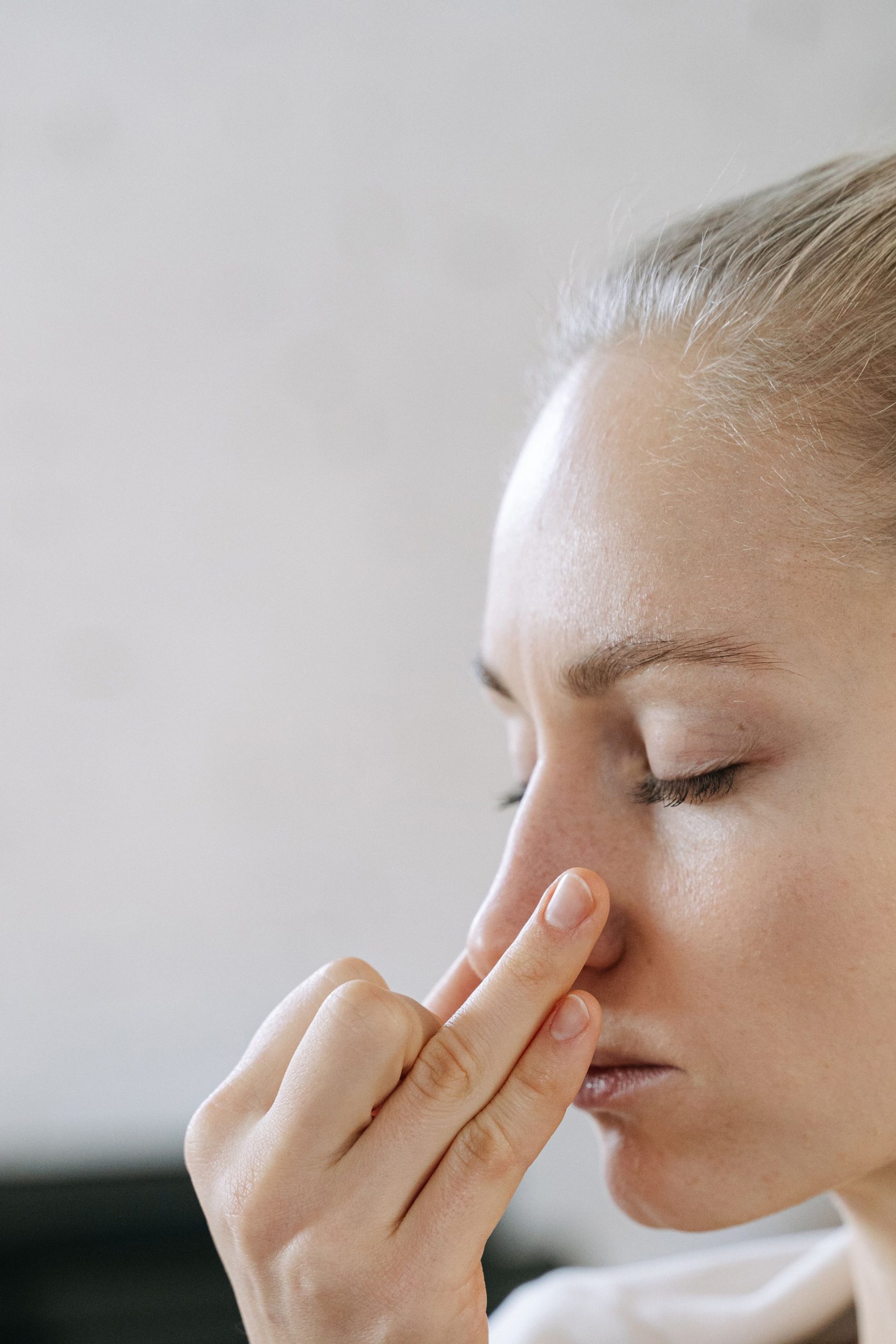
4. Alternate Nostril Breathing – Best for Balancing Energy
This ancient yogic practice balances the left and right hemispheres of the brain, promoting calmness and clarity. Alternating between nostrils helps to clear energetic blockages, making it great for high-pressure moments.
Key Features:
- Promotes mental clarity and balance
- Clears energy channels
- Enhances concentration and focus
Pros:
- Helps balance body and mind
- Can be energizing or calming
- Fits into a mindfulness routine
Cons:
- May require practice to perfect
- Can feel awkward to those new to it
5. Resonant Breathing – Best for Emotional Regulation
Resonant breathing — or coherent breathing — involves breathing at a rate of five breaths per minute. This steady rhythm can help regulate your emotions and stabilize your mood, particularly useful in stressful environments.
Key Features:
- Promotes emotional stability
- Enhances relaxation response
- Easily structured with a set pace
Pros:
- Boosts mood and emotional resilience
- Improves overall health
- Scientific backing for effectiveness
Cons:
- Can take time to adapt to a slower pace
- Requires dedicated practice to master
6. Pursed Lip Breathing – Best for Shortness of Breath
Pursed lip breathing helps control your breathing pattern and increase oxygen exchange, making it beneficial in moments of shortness of breath or panic. This technique induces calm and clarity.
Key Features:
- Helps manage stress and anxiety
- Simple method to execute
- Effective for all lung health levels
Pros:
- Instills a sense of calm
- Simple to learn and apply
- Reduces feelings of panic
Cons:
- Can take time to become a habit
- Requires concentration to master
7. Visualization Breathing – Best for Mental Clarity
Combining deep breathing with visualization techniques enhances the benefits of both practices. By imagining a calming image while you breathe, you can further reduce anxiety and stress during high-pressure moments.
Key Features:
- Uses visual imagery to enhance relaxation
- Encourages positive mindset
- Increases emotional regulation
Pros:
- Boosts creativity and clarity
- Improves focus in stressful scenarios
- Customizable to personal preference
Cons:
- May require practice to perfect visualization
- Can be challenging in noisy environments
8. Breath Counting – Best for Mindfulness
Breath counting is a mindful breathing technique that helps maintain awareness of your breath, improving concentration and presence. By focusing on counts during inhalation and exhalation, you achieve a meditative state.
Key Features:
- Promotes mindfulness and presence
- Simple and accessible
- Encourages deeper connection with breath
Pros:
- Enhances mental focus
- Reduces rumination and anxiety
- Easy to practice on the go
Cons:
- May lose count if distracted
- Requires consistent practice
How to Choose the Right Breathing Technique
When selecting a breathing technique to manage high-pressure moments, consider your specific needs and circumstances. Are you seeking immediate calmness, or do you want to improve your overall emotional regulation? Experiment with different techniques to discover which resonates most effectively with you.
#BreathingTechniques #StressManagement #Mindfulness #BreathingExercises #AnxietyRelief #MentalHealth #Relaxation #WellnessTips