
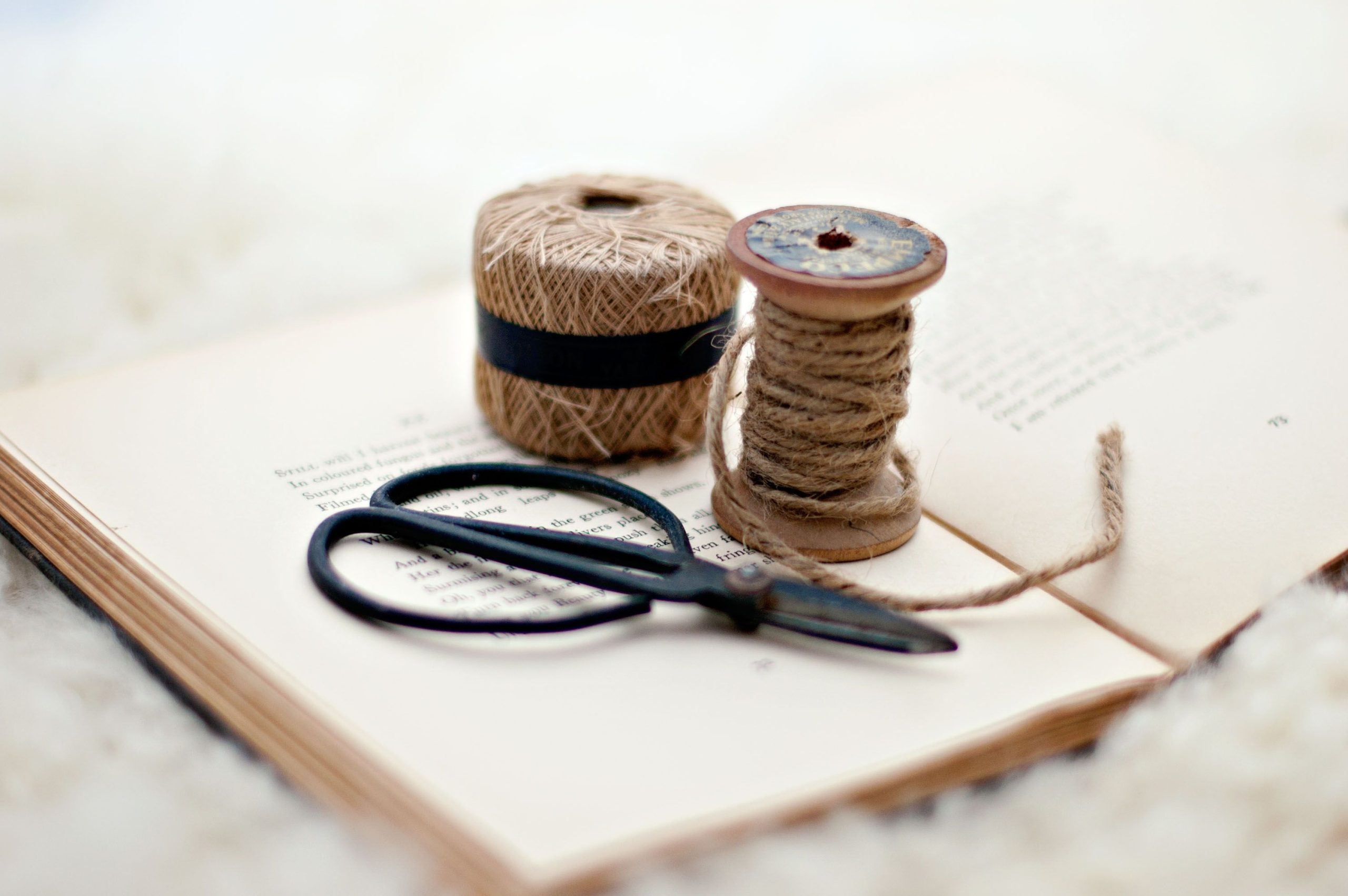
Whether you’re a seasoned crafter or just starting out, mastering traditional textile arts can be both daunting and rewarding. With the right instruction books, you can unlock the secrets of weaving, embroidery, and fabric dyeing, turning fibers into beautiful creations. Discover the essential guides that will elevate your textile crafting skills and inspire your next project!
From in-depth techniques to historical insights, this list will help you choose the best resources to nurture your passion for textile crafts. Dive into the world of fabric arts and uncover your hidden talents with these must-have books!
1. The Art of Weaving – Best for Mastering Weaving Techniques
This classic guide walks you through the fundamental techniques of weaving, making it perfect for beginners and advanced crafters alike. With clear illustrations and expert tips, you’ll quickly learn how to turn beautiful threads into stunning textiles.
- Key Features:
- Comprehensive weaving techniques explained
- Step-by-step diagrams for easy understanding
- Historical context for modern-day application
Pros:
- Clear, detailed instructions
- Suitable for all skill levels
- Richly informative background on weaving
Cons:
- May require additional tools and materials
- Some techniques may be advanced for beginners
2. Embroidery Stitching for the Curious – Best for Embroidery Enthusiasts
This colorful guide showcases a plethora of stitching techniques, perfect for those who want to dive into the fun of embroidery. You’ll find beautiful projects that challenge your creativity while enhancing your skills.
- Key Features:
- Diverse range of embroidery stitches
- Beautiful photography and illustrations
- Includes fun projects to reinforce learning
Pros:
- Engaging and visually appealing
- Great for all experience levels
- Encourages creativity through practical projects
Cons:
- Some projects may be complex for novices
- Materials list can be extensive
3. The Complete Guide to Natural Dyeing – Best for Eco-Friendly Crafters
If you are passionate about sustainability, this book teaches you how to dye fabrics using natural materials. Experience the vibrant colors that nature offers while understanding more about eco-friendly practices in textile crafting.
- Key Features:
- Step-by-step instructions for various dyeing techniques
- Source guide for plants and materials
- Focus on environmentally friendly practices
Pros:
- Promotes sustainability
- Encourages experimentation with colors
- Accessible to beginners
Cons:
- Finding natural dye sources may be difficult in some areas
- Some colors can vary significantly based on materials used
4. Knitting Traditions: The Heritage of Knitting – Best for Tradition Lovers
This exceptional book delves into the rich history of knitting, with patterns inspired by traditional techniques from around the world. Perfect for those who want to knit beautiful items while learning about their cultural significance.
- Key Features:
- Collection of international patterns
- Historical context for each technique
- Tips for preserving knitting traditions
Pros:
- Provides cultural insights
- Beautiful and diverse range of patterns
- Perfect for knitters seeking inspiration
Cons:
- Not all patterns are beginner-friendly
- Requires a good understanding of knitting basics
5. Quilting from the Heart – Best for Quilting Beginners
This charming instructional book is ideal for those stepping into the world of quilting. With easy-to-follow patterns and heartfelt stories, you’ll get completely engrossed in the art of quilting.
- Key Features:
- Simplified quilting techniques for beginners
- Warm stories accompanying each project
- Useful tips for choosing materials
Pros:
- Encourages creativity and personal connection to projects
- Visually appealing design
- Simple enough for complete beginners
Cons:
- More advanced quilters may find it too simplistic
- Limited variety of complex patterns
6. Sashiko Patterns: A Guide to Japanese Embroidery – Best for Needlework Lovers
Discover the beauty of Sashiko, a traditional Japanese embroidery technique through this detailed guide. With rich historical background and patterns, you’ll create stunning pieces that celebrate this time-honored craft.
- Key Features:
- Comprehensive instructions on Sashiko stitching
- Variety of patterns and projects to try
- Cultural context and significance of Sashiko
Pros:
- Rich insights into Japanese culture
- Variety of projects for practice
- Beautiful visual presentation
Cons:
- May require specific materials or tools
- Not easy for complete beginners
7. Fabric Manipulation: Techniques and Tips – Best for Fashion Designers
This book focuses on the art of fabric manipulation techniques, making it ideal for aspiring fashion designers and textile artists. Learn how to transform ordinary fabrics into extraordinary masterpieces.
- Key Features:
- In-depth exploration of several fabric manipulation techniques
- Step-by-step projects that showcase skills
- Insightful tips for integrating techniques into design
Pros:
- Great resource for creative inspiration
- Fosters innovative thinking
- Covers a range of skill levels
Cons:
- More suitable for intermediate to advanced crafters
- Requires sewing-related equipment
8. The Essential Guide to Lace Making – Best for Intricate Artists
If you’re interested in lace-making, this book serves as the perfect introduction. With comprehensive techniques and delicate patterns, become skilled in this intricate textile art that has stood the test of time.
- Key Features:
- Comprehensive chapters on various lace-making techniques
- A variety of patterns suitable for different skill levels
- Includes troubleshooting tips and ideas
Pros:
- Detailed instructions for complex lace designs
- Empowers creativity with new ideas
- Visually appealing, filled with beautiful photographs
Cons:
- Requires patience and time for intricate designs
- Can be challenging for beginners without prior experience
9. Creative Silk Painting – Best for Vibrant Textiles
This book introduces you to the captivating world of silk painting, providing both techniques and inspiration for vibrant pieces. Ideal for those looking to add color and creativity to their textile projects.
- Key Features:
- Techniques for working with silk
- Step-by-step guides for multiple projects
- Diverse methods for achieving different textures and effects
Pros:
- Encourages experimentation with colors
- Visually stunning results
- Inspires creativity in textile arts
Cons:
- Silk can be expensive to work with
- Requires specific materials and tools
10. The Beginner’s Guide to Tapestry – Best for Aspiring Weavers
This accessible guide is perfect for those who want to explore the art of tapestry weaving. It offers straightforward instructions and beginner-friendly projects, making it easy to create beautiful wall hangings.
- Key Features:
- Introduction to tapestry weaving techniques
- Clear instructions for simple tapestry designs
- Helpful tips on materials and equipment
Pros:
- Perfect for beginners
- Encourages self-expression through weaving
- Comprehensive and easy to follow
Cons:
- Advanced designs may not be covered
- Requires a loom, which can be costly
How to Choose the Best Textile Craft Book for You
When selecting the right instruction book, consider your personal interests and skill level. Are you drawn to stitching, weaving, or dyeing? Look for books that specialize in your areas of interest. It’s also essential to find guides that offer clear instructions and visuals, which can significantly enhance your learning experience. Finally, remember to pick books that suit your crafting style, whether it’s modern, traditional, or eco-friendly, ensuring every project is a joy to explore!
#TextileCrafts #Handmade #CraftBooks #DIY #Embroidery #Weaving #SustainableFashion #Quilting