
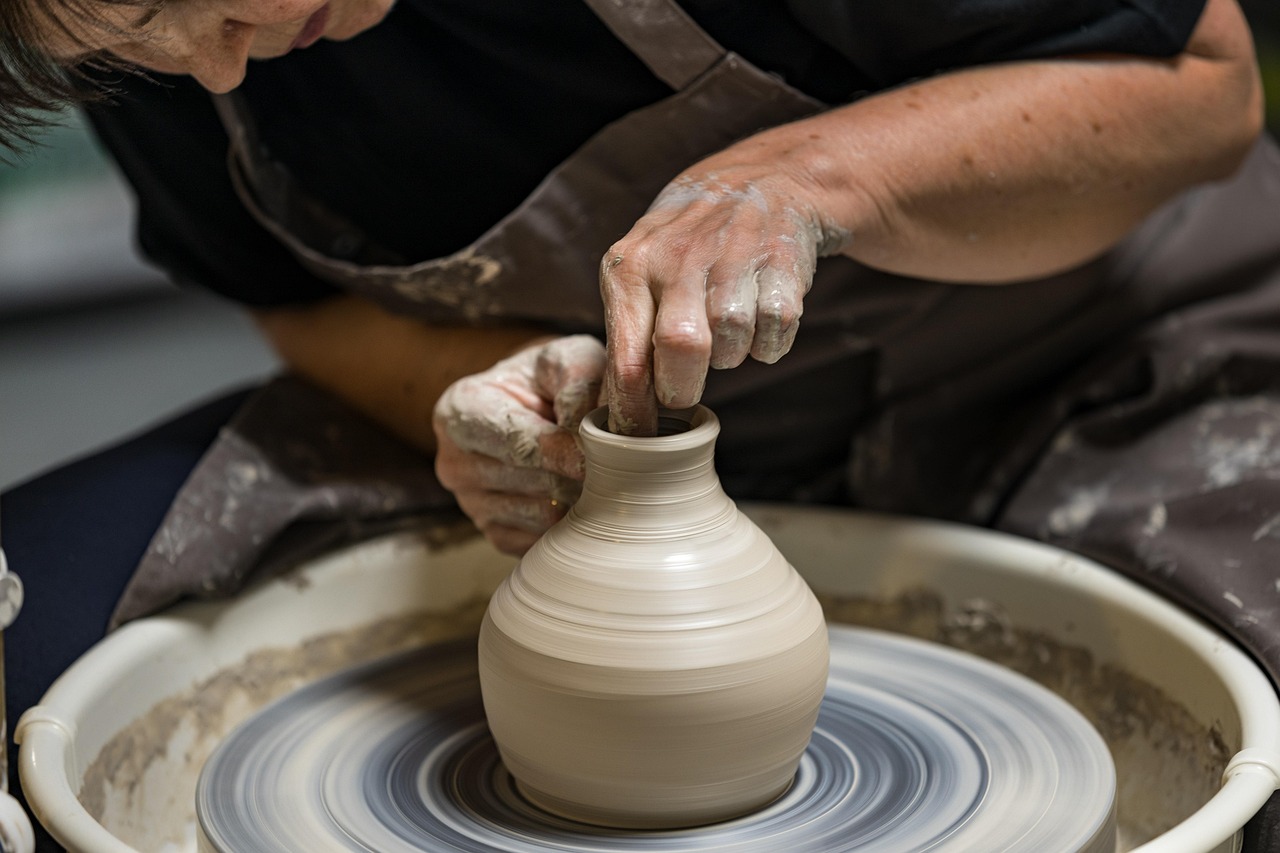
Are you ready to take your pottery skills to the next level? Whether you’re a novice looking to learn the basics or an experienced potter aiming to refine your throwing and trimming techniques, the right resources can make all the difference. In this list, we’ve compiled six must-have books that will guide you through the art of traditional pottery wheel throwing and trimming, helping you unleash your creativity!
From detailed instruction to inspiring visuals, these books offer invaluable insights that can transform your pottery journey. Let’s dive into the best reads that every aspiring potter should have on their shelf!
1. The Complete Pottery Handbook – Best for Comprehensive Guidance
This all-in-one resource covers everything from choosing the right clay to mastering wheel throwing techniques. Ideal for beginners and seasoned potters alike, it offers step-by-step guidance that’s easy to follow.
Key Features:
- In-depth explanations of various pottery techniques
- Illustrated tutorials for different projects
- Advice on kiln usage and glazing
Pros:
- Comprehensive and beginner-friendly
- Great visuals to aid understanding
- Covers a wide range of techniques
Cons:
- May overwhelm absolute beginners
- Some information can be too advanced
2. Mastering the Potter’s Wheel – Best for Advanced Techniques
If you’re ready to enhance your skills, this book breaks down complex techniques for experienced potters. It includes advanced throwing methods and trimming techniques that will challenge you and refine your craftsmanship.
Key Features:
- Focused on advanced pottery techniques
- Step-by-step visual demonstrations
- Tips from expert potters
Pros:
- Teaches complex skills effectively
- Insights from professional artists
- Engaging and informative
Cons:
- Not suitable for beginners
- Requires a base understanding of pottery
3. Pottery: A Beginner’s Guide – Best for Newbies
This book is the perfect starting point for those who have never touched clay before. It introduces the basic concepts of wheel throwing and trimming in a way that’s accessible and encouraging.
Key Features:
- Step-by-step instructions for beginners
- Fun and engaging illustrations
- Chapters dedicated to common mistakes and troubleshooting
Pros:
- Easy to read and understand
- Encourages experimentation
- Perfect for absolute beginners
Cons:
- Limited advanced techniques
- May feel basic for experienced potters
4. Throwing Pots – Best for Visual Learners
With an emphasis on visuals, this book is perfect for those who learn by seeing. Its progression of images guides you through the process of throwing pottery, ensuring you understand every step along the way.
Key Features:
- Extensive photographs covering every step
- Tips and tricks for visual learners
- Clear layout and organization
Pros:
- Highly visual and intuitive
- Great for hands-on learners
- Detailed explanations with images
Cons:
- Less text-based instruction
- May not cover theory deeply
5. The Art of Pottery: Throwing, Trimming, and Finishing – Best for Comprehensive Skill Development
This book explores the complete pottery process from throwing to trimming and finishing. It’s designed to help potters develop a well-rounded skill set and understand the artistic side of the craft.
Key Features:
- Covers all aspects of pottery-making
- Artistic tips for finishing techniques
- Engaging projects to enhance creativity
Pros:
- Versatile and teaches multiple skills
- Encourages creativity and personal style
- Rich in artistic insights
Cons:
- Not focused on a single technique
- Can be overwhelming for beginners
6. Pottery Wheel Throwing: A Step-by-Step Guide to the Basics – Best for Structured Learning
This structured guide walks readers through the essential steps of pottery wheel throwing, ensuring a solid foundation in skills. Ideal for those who prefer a clear learning path and practical activities.
Key Features:
- Step-by-step approach for beginners
- Clear objectives for each chapter
- Practical exercises to reinforce learning
Pros:
- Highly organized and easy to follow
- Ideal for classroom or self-study
- Encourages hands-on practice
Cons:
- Limited coverage of advanced techniques
- Less emphasis on artistic development
How to Choose the Right Pottery Book
When selecting a pottery book, consider your current skill level and what you hope to achieve. If you’re just starting, a beginner’s guide will be more beneficial. If you’re an experienced potter, focus on books that cover advanced techniques and artistic development. Also, think about your preferred learning style—do you learn better through visuals or text? Each book has its strengths, so pick one that resonates with you!
#Pottery #Ceramics #PotteryBooks #Crafting #PotteryTips #WheelThrowing #Handmade #Artisanal