
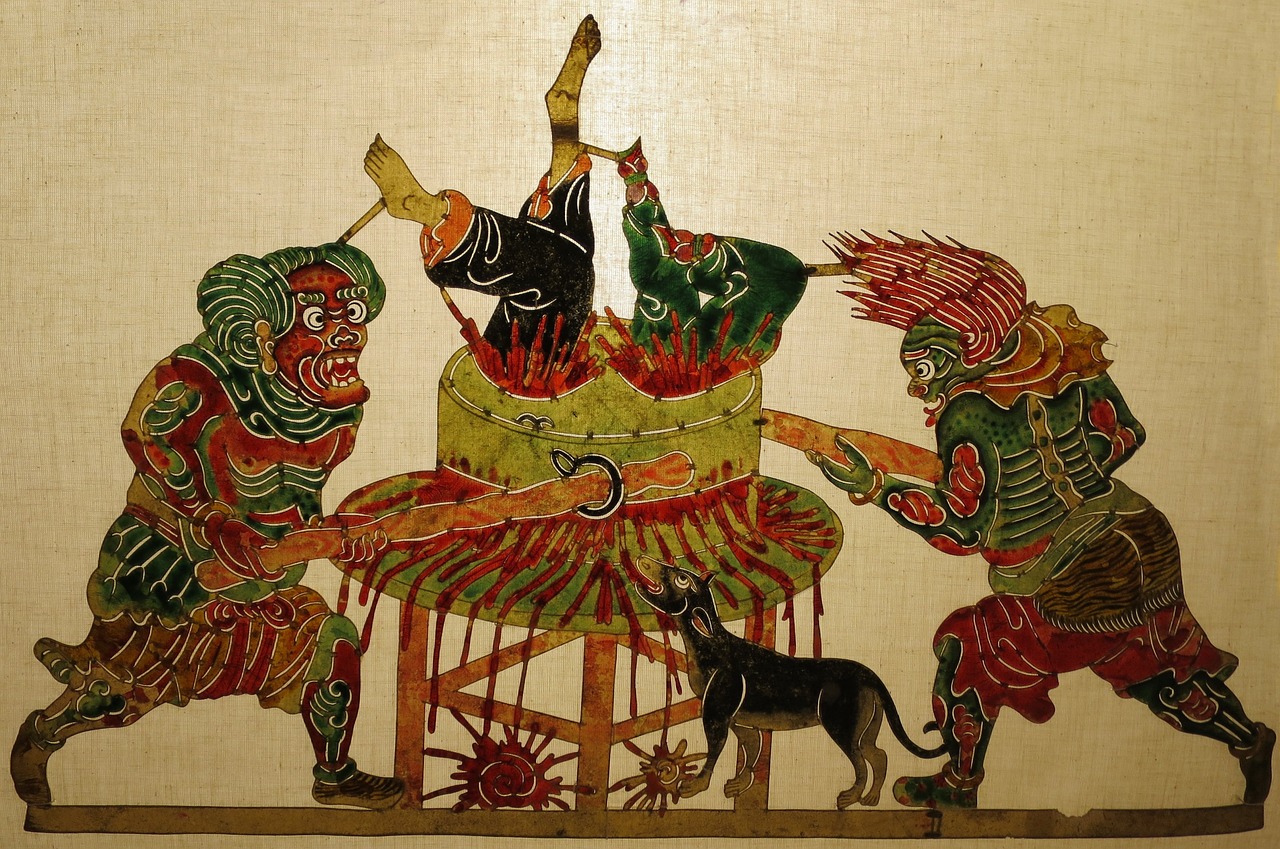
If you’ve ever been enchanted by the art of puppetry or shadow play, you’re in for a treat! This guide showcases the best books that will help you master these timeless arts, whether you’re a beginner or a seasoned performer. Explore the magic of storytelling through your own creations with these top-rated guidebooks.
From step-by-step instructions to captivating history and cultural insights, these books offer something for everyone. Let’s dive into the ten best traditional puppet and shadow art guidebooks that promise to spark your imagination and elevate your skills!
1. The Complete Book of Puppetry – Best for Comprehensive Techniques
This go-to guide covers everything from basic puppet construction to advanced performance techniques. Ideal for both novices and experienced puppeteers, it provides a thorough foundation in the art.
Key Features:
- Step-by-step tutorials for different puppet styles
- In-depth history of puppetry worldwide
- Tips for creating engaging puppet shows
Pros:
- Complete reference for various puppetry techniques
- Includes illustrations and images for visual assistance
- Covers both hand puppets and marionettes
Cons:
- May be overwhelming for absolute beginners
- Lacks digital resources or additional online content
2. Shadows and Silhouettes: The Art of Shadow Puppetry – Best for Artistic Inspiration
This book delves into the visual aspects of shadow puppetry, providing a wealth of patterns and story ideas. Perfect for artists looking to explore this unique medium!
Key Features:
- Detailed patterns and templates for puppet creation
- Historical context and cultural significance of shadow art
- Professional insights from experienced shadow artists
Pros:
- Visually stunning illustrations
- Inspirational for creative design
- Easy to follow along with projects
Cons:
- Focuses primarily on visual art, less on performance
- Requires some artistic skill for best results
3. Puppet Making: A Step-by-Step Guide – Best for DIY Enthusiasts
This practical guide is a fantastic resource for DIY crafters wanting to build their own puppets from scratch using various materials.
Key Features:
- Instructions for multiple puppet types using common materials
- Helpful tips for modifying designs
- Suggestions for performance enhancement
Pros:
- Encourages creativity and personalization
- Suitable for all ages and skill levels
- Cost-effective projects using everyday items
Cons:
- Limited content on puppet performance techniques
- Some projects may require advanced crafting skills
4. The Art of Puppetry: A Global Perspective – Best for Cultural Insight
This book takes readers on a cultural journey through traditional puppetry practices worldwide, making it an essential read for anyone interested in the cultural dimensions of puppetry.
Key Features:
- Explores various styles and traditions from different cultures
- Interviews with renowned puppeteers
- In-depth analysis of the role of puppetry in society
Pros:
- Broadens understanding of global puppetry
- Rich, detailed photographs
- Interesting anecdotes from around the world
Cons:
- Less focus on practical techniques
- More theoretical, may not appeal to all readers
5. Shadow Theatre: A Comprehensive Guide – Best for Beginner to Intermediate Users
This book introduces readers to the basics of shadow theatre, with practical exercises that help develop skills progressively.
Key Features:
- A comprehensive introduction to shadow theatre
- Detailed exercises and performance strategies
- Case studies from various cultures
Pros:
- Structured approach suitable for learners
- Encourages experimentation and creativity
- Bridges theory with practical application
Cons:
- May need supplementary resources for deep dives
- Limited visual examples compared to other books
6. The Puppet Handbook: Everything You Need to Know – Best for Quick Reference
This handbook is an easy-to-navigate resource filled with essential information for anyone looking to perfect their puppetry skills efficiently.
Key Features:
- Concise sections on various puppetry styles
- Quick tips and tricks for immediate application
- Flowcharts to help choose techniques
Pros:
- User-friendly layout with clear headings and visuals
- Perfect for quick consultation during projects
- Great for both teaching and self-study
Cons:
- Less depth in instructional content
- Not as comprehensive as longer texts
7. Light and Shadow: The Craft of Shadow Puppets – Best for Visual Thinkers
This visually rich book explores the interplay of light and shadow, making it perfect for those who thrive on visual learning.
Key Features:
- High-quality images demonstrating techniques
- Practical tips on lighting setups
- Artistic puppet designs and inspirations
Pros:
- Engaging visual format for learning
- Great for understanding the aesthetics of shadow play
- Encourages artistic expression
Cons:
- Can be costly compared to other guides
- May require additional props for full projects
8. Puppetry Fundamentals: Can You Get by with Less? – Best for Budget Crafters
This budget-friendly guide focuses on creating effective puppets without the need for expensive materials or tools.
Key Features:
- Cost-effective puppet making tips
- Minimalistic approaches to performance
- Simple materials that are easy to source
Pros:
- Perfect for teachers and parents with limited budgets
- Accessible for all age groups
- Promotes sustainability through recycling
Cons:
- May lack advanced techniques for experienced users
- Focuses mainly on basics rather than performance arts
9. The Joy of Puppetry: Learning Through Play – Best for Kids and Families
This delightful read is packed with fun activities and story ideas designed for children and families to enjoy puppetry together.
Key Features:
- Family-friendly puppet projects
- Engaging storytelling concepts
- Fun and interactive learning exercises
Pros:
- Promotes family bonding and creativity
- Encourages literacy through storytelling
- Simple designs for easy execution
Cons:
- Limited advanced techniques
- Primarily aimed at a younger audience
10. Modern Shadows: Techniques and Tips – Best for Contemporary Practitioners
This contemporary guide explores new methods and innovative designs in shadow puppetry, providing fresh techniques for modern artists.
Key Features:
- Explores digital techniques in shadow art
- Emphasizes contemporary storytelling methods
- Covers innovative shadows in theatre and art installations
Pros:
- Pays attention to current trends and methods
- Inspo for mixing traditional and modern styles
- Great for experienced users looking to innovate
Cons:
- May not be suitable for traditionalists
- Assumes familiarity with basic puppetry concepts
How to Choose the Right Guidebook for You
When selecting a puppetry or shadow art guidebook, consider your skill level, your interests (whether crafting, performance, or history), and your budget. Look for books that inspire you, offer practical advice, and match your specific artistic goals. Happy puppet making!
#Puppetry #ShadowArt #Guidebooks #DIYPuppets #PerformanceArt #CreativeCrafting #ArtBooks #Storytelling