
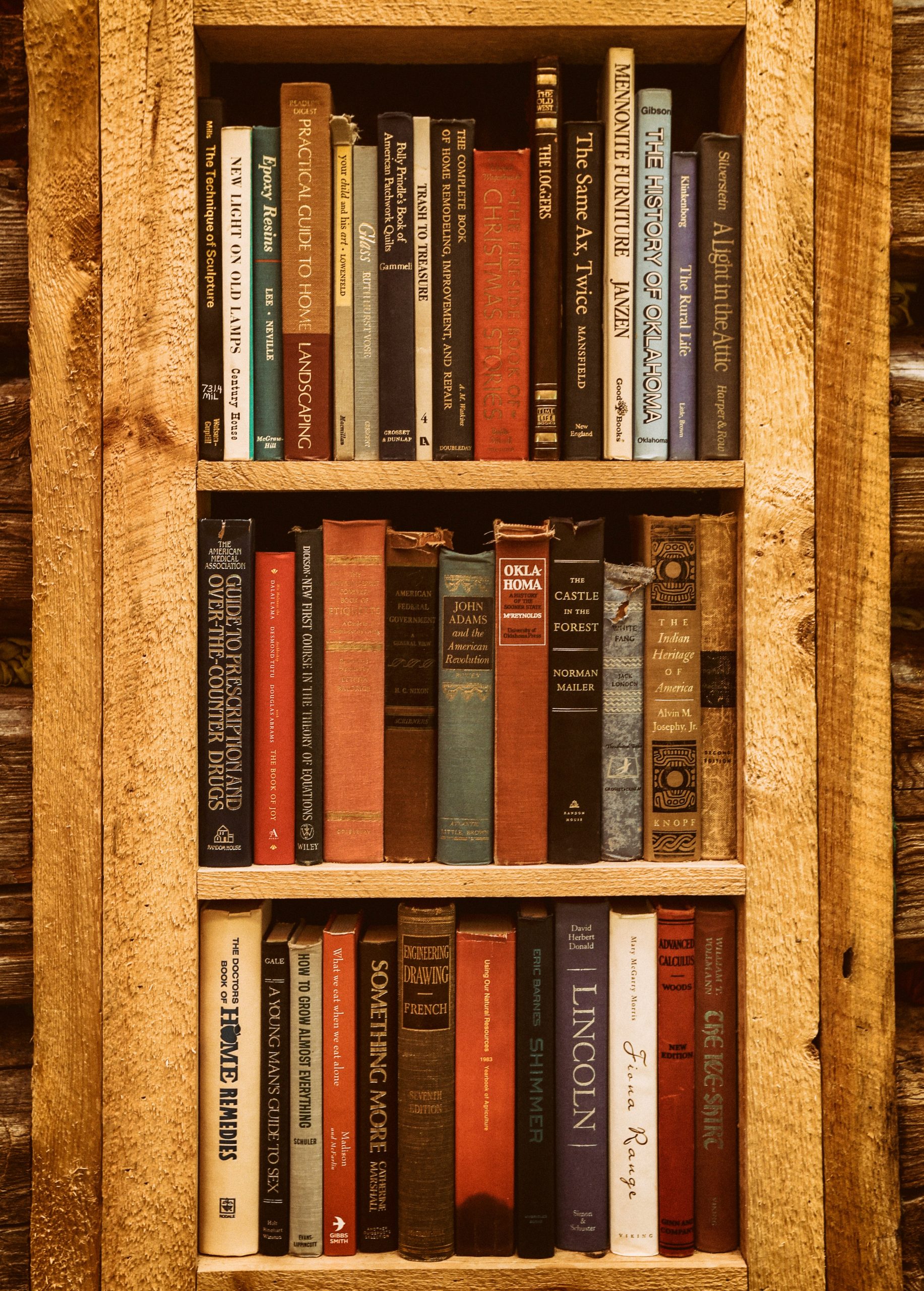
If you’re looking to enhance your woodworking skills or dive into the world of traditional timber building and joinery, you’ve come to the right place. These books are more than just guides; they are gateways to mastering the craftsmanship of timber. Whether you’re a beginner or a seasoned pro, there’s something here for everyone!
This list covers the essential literature that provides valuable techniques, historic insights, and step-by-step instructions. Let’s explore the eight best traditional timber building and joinery books that will elevate your craft!
1. The Complete Manual of Woodworking – Best For Comprehensive Techniques
This classic book is a must-have for anyone serious about woodworking. It covers everything from the basic tools to advanced techniques in joinery, making it perfect for both beginners and seasoned woodworkers.
Key Features:
- Covers all aspects of woodworking
- Detailed illustrations and photographs
- Step-by-step guidance for projects
Pros:
- Extensive information on tools and techniques
- Great for reference and learning
- Timeless craftsmanship tips
Cons:
- Can be overwhelming for beginners
- Not always project-focused
2. The Essential Woodworker – Best For Skill Development
This book focuses on the core skills needed for hand tool woodworking. It emphasizes traditional joinery techniques that have been used for centuries, making it ideal for anyone wanting to hone their craft.
Key Features:
- Focus on hand tools and techniques
- Detailed explanations of each skill
- Step-by-step project illustrations
Pros:
- Ideal for those who prefer hand tools
- Focus on skills over tools
- Encourages creativity and craftsmanship
Cons:
- Lacks power tool techniques
- May not appeal to every woodworker
3. The Woodwright’s Guide – Best For Historic Perspectives
Written by master craftsman Roy Underhill, this book provides both techniques and a deep dive into the historical context of woodworking. It’s perfect for those who appreciate the art and history behind traditional timber building.
Key Features:
- Explores traditional woodworking techniques
- Richly illustrated with historical anecdotes
- Presents projects inspired by classic designs
Pros:
- Inspiring narrative style
- Great for understanding the roots of woodworking
- Encourages traditional practices
Cons:
- Less focus on modern materials
- Occasionally whimsical in tone
4. Timber Framing for the Rest of Us – Best For Beginners
As an accessible introduction to timber framing, this book is perfect for those who want to jump into building structures. It simplifies complex concepts while providing practical advice and clear illustrations.
Key Features:
- Beginner-friendly language
- Practical projects for small spaces
- Clear, step-by-step processes
Pros:
- Encourages hands-on learning
- Easy-to-follow instructions
- Great for DIY enthusiasts
Cons:
- Limited advanced techniques
- Primarily focused on small projects
5. Woodworking Basics – Best For Essential Skills
This book is a guide for those who want to develop solid foundational skills. It’s aimed at beginners and walks you through essential techniques in a straightforward manner.
Key Features:
- Focus on fundamental woodworking skills
- Engaging projects to practice techniques
- Emphasizes safety and efficiency
Pros:
- Perfect for novice woodworkers
- Structured learning approach
- Helps build confidence in skills
Cons:
- Less detail on advanced topics
- May not appeal to experienced woodworkers
6. Joinery: The Complete Manual – Best For Joinery Techniques
This comprehensive guide focuses exclusively on joinery techniques. From the simplest to the more complex, it ensures that readers can master the art of joinery.
Key Features:
- Diverse joinery techniques covered
- Visual diagrams for clarity
- Focus on both hand and power tools
Pros:
- Detailed explanations of each joint
- Great for both hand and power tool users
- Includes troubleshooting tips
Cons:
- Could be too niche for general woodworkers
- Less focus on broader woodworking skills
7. The Complete Book of Woodworking – Best For Multi-Faceted Learning
This all-in-one guide covers everything from joinery to finishing techniques. It’s a comprehensive reference that is easy to read and extremely informative.
Key Features:
- Wide range of woodworking topics
- Project instructions with detailed steps
- Visual guides to assist learning
Pros:
- Great for all levels of expertise
- Diverse projects from basic to complex
- Incredible wealth of information
Cons:
- Can be overwhelming with too much information
- Less focused on specific skills
8. Building Traditional Small Barns – Best For Practical Applications
This book offers practical advice for those interested in traditional barn building. It combines historical methods with modern applications, making it perfect for those interested in practical projects.
Key Features:
- Focus on barn building techniques
- Step-by-step instructions for small barns
- Blends historical and contemporary methods
Pros:
- Ideal for agrarian projects
- Hands-on approach
- Invaluable for anyone interested in rural craft
Cons:
- Specific to barn projects only
- Less applicable to other woodworking areas
How to Choose the Right Timber Building and Joinery Book
When selecting a book, consider your skill level and what you want to achieve. Are you a beginner eager to learn the basics, or are you looking for advanced techniques? Assess the focus of the book—some cover a broader range of woodworking, while others may dive deep into specific areas like joinery. Finally, think about the projects that excite you to keep you motivated!
#Woodworking #TimberBuilding #JoineryBooks #Craftsmanship #TraditionalSkills #DIYWoodwork #TimberFraming