
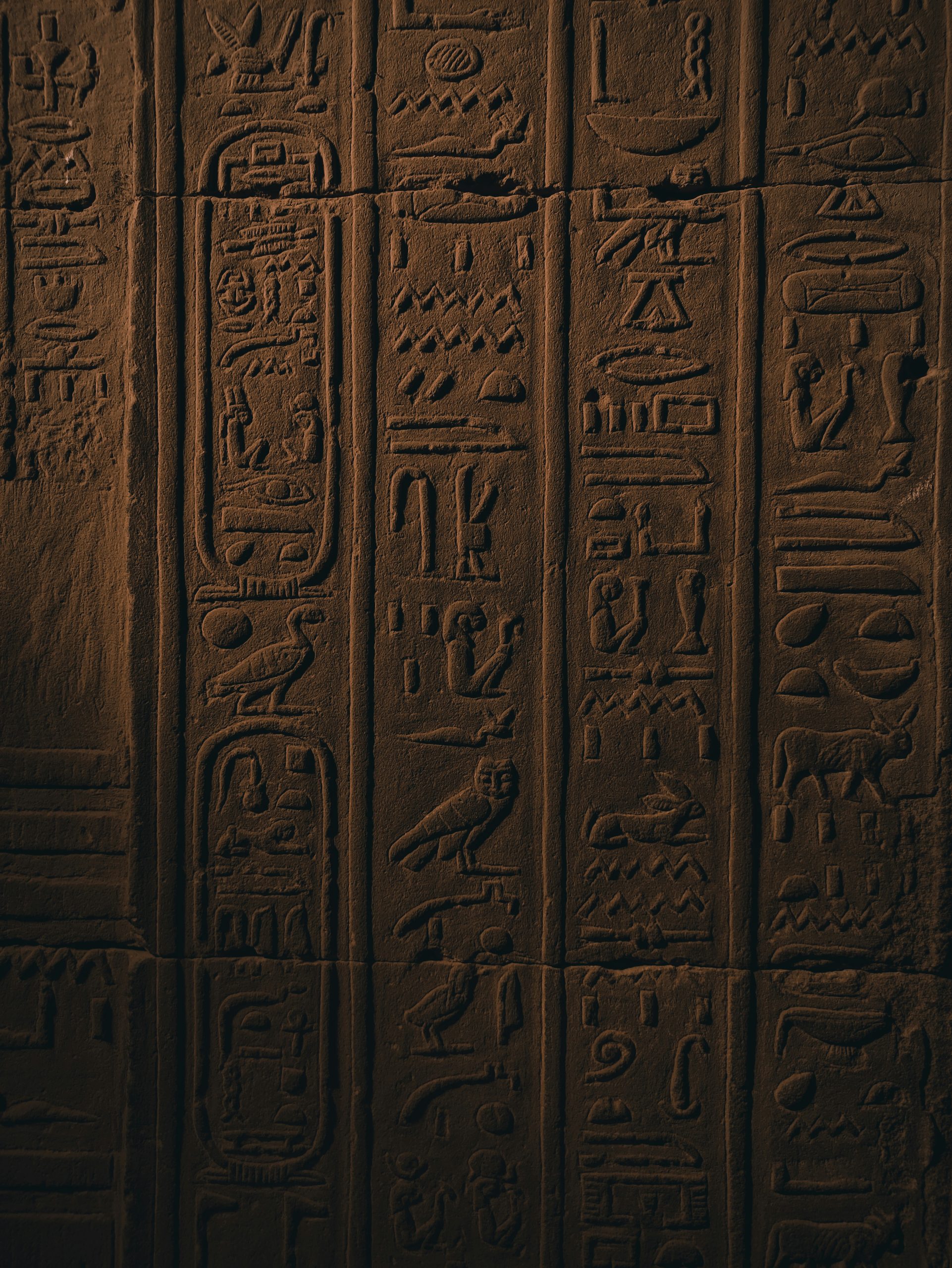
If you’re fascinated by ancient civilizations and their secrets, diving into the world of epigraphy—the study of inscriptions—can be incredibly rewarding. These manuals not only decode ancient texts but also provide vital context about the cultures they come from. Whether you’re a student, a researcher, or just a curious history lover, these top five manuals are essential for uncovering the mysteries of the past.
In this list, we’ve curated the best books that will equip you with the knowledge needed to understand and interpret ancient inscriptions effectively. Get ready to enrich your understanding of history!
1. Reading Greek Vases – Best for Visual Learners
This book offers an in-depth perspective of the language and styles depicted on ancient Greek vases. Its comprehensive illustrations make it incredibly engaging and accessible for readers.
Key Features:
- Detailed illustrations of vases and inscriptions
- Analysis of the socio-political context of the art
- Glossary of key terms for easier understanding
Pros:
- Visually appealing and informative
- Great for beginners and experts alike
- Provides rich contextual background
Cons:
- May be too visual for readers looking for a traditional text
- Focuses primarily on Greek artifacts
2. The Art of Ancient Greek Vase-Painting – Best for Artists and Scholars
This manual delves into the artistic techniques behind ancient Greek vase painting and how inscriptions played a crucial role in storytelling. It’s perfect for those who want to appreciate the artistry as much as the language.
Key Features:
- Step-by-step analysis of painting and inscription
- Case studies on famous vases
- Insights into the interplay of art and language
Pros:
- Combines art appreciation with epigraphy
- Richly illustrated for better comprehension
- Informative for both art historians and linguists
Cons:
- Less focus on pure linguistic aspects
- More applicable to a niche audience
3. Epigraphy: A Very Short Introduction – Best for Quick Learners
This compact guide provides a succinct overview of the field of epigraphy, making it ideal for beginners or those pressed for time. It covers key concepts and methodologies in a digestible format.
Key Features:
- Concise explanations of epigraphic principles
- Discussion of notable inscriptions across different cultures
- Contextual background rooted in historical significance
Pros:
- Quick and easy read
- Great introductory resource
- Affordable and accessible
Cons:
- May lack depth for advanced scholars
- Limited examples of inscriptions
4. Handbook of Ancient Inscription Decipherment – Best for Practitioners
This comprehensive manual serves as a toolkit for those serious about deciphering ancient texts. It covers a variety of languages and scripts, making it a must-have for dedicated epigraphists.
Key Features:
- Detailed explanations of various scripts
- Practical exercises and examples for hands-on learning
- Reference guides for further study and research
Pros:
- Provides practical, applicable skills
- Covers a wide range of inscriptions
- Highly regarded in the academic community
Cons:
- Heavy in terms of content, requires commitment
- Not as visually appealing as other options
5. The Epigraphic Society: Texts and Translations – Best for Collaborative Learning
This unique collection features a variety of inscriptions with translations, allowing readers to engage with the text and its historical background through community insights. Ideal for those who enjoy collaborative efforts.
Key Features:
- Community contributions of translations and interpretations
- A variety of inscriptions from different epochs
- Encourages engagement through forum-style discussions
Pros:
- Fosters a sense of community and collaboration
- Access to collective knowledge and interpretations
- Engaging format with diverse viewpoints
Cons:
- Quality of translations may vary
- Requires active participation for full benefit
How to Choose the Right Manual
When selecting an epigraphy manual, consider your level of expertise and what context you wish to explore. Beginners may prefer concise or beginner-friendly options, while those seeking depth should opt for comprehensive handbooks. Think about the type of inscriptions you want to delve into: if you’re curious about Greek antiquity, focus on books that specialize in that area.
#Epigraphy #AncientInscriptions #HistoryBooks #DecipheringTexts #AncientCivilizations #Historians #TextAnalysis #CulturalHistory