
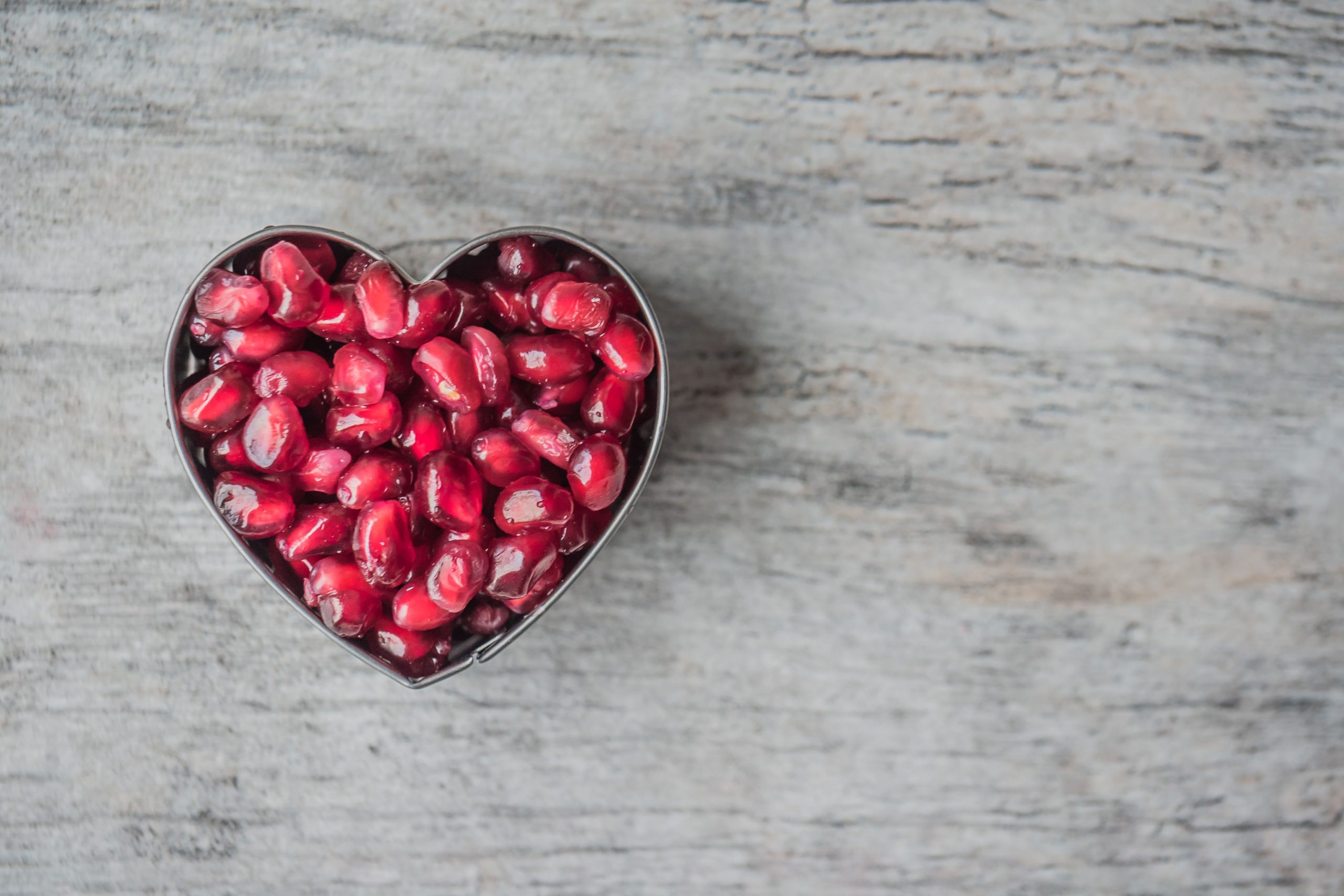
Are you looking to improve your heart health but overwhelmed by the endless options? You’re not alone! With so much conflicting information out there, finding the best foods for your heart can be a challenge. Fear not; we’ve compiled a list of the top ten heart-healthy foods that can easily fit into your weekly diet. These powerhouse foods not only promote cardiovascular health but also taste fantastic!
In this listicle, you’ll discover nutrient-rich foods that can lower cholesterol, reduce inflammation, and help you maintain a healthy weight. Incorporate these foods into your meals every week for a happier, healthier heart!
1. Oats – Best For Lowering Cholesterol
Starting your day with a bowl of oats is a delicious way to promote heart health. Oats contain beta-glucans, a type of soluble fiber that helps to lower LDL cholesterol levels.
Key Features:
- Rich in soluble fiber
- Supports healthy digestion
- Easy to prepare
Pros:
- Versatile for sweet or savory dishes
- Keeps you full longer
- Heart-healthy and affordable
Cons:
- May cause bloating in some individuals
- Requires cooking time
2. Fatty Fish – Best For Omega-3 Fatty Acids
Fatty fish like salmon, mackerel, and sardines are excellent sources of omega-3 fatty acids, which are known to reduce inflammation and lower blood pressure.
Key Features:
- High in protein
- Rich in vitamin D
- Supports brain health
Pros:
- Tasty and satisfying
- Easy to incorporate into meals
- Provides heart protection benefits
Cons:
- Can be expensive
- May contain mercury
3. Berries – Best For Antioxidants
Berries such as strawberries, blueberries, and raspberries are packed with antioxidants and phytochemicals that protect your heart and reduce inflammation.
Key Features:
- Low in calories
- High in vitamins and minerals
- Delicious and refreshing
Pros:
- Easy to snack on
- Adds sweetness to meals without added sugar
- Supports overall health
Cons:
- Perishable and may spoil quickly
- Seasonal availability may vary
4. Nuts – Best For Healthy Fats
Nuts like walnuts, almonds, and pistachios are great snacks that provide healthy unsaturated fats, fiber, and plant-based protein to support heart health.
Key Features:
- Rich in magnesium and vitamin E
- Heart-healthy omega-3s
- Convenient and portable
Pros:
- Satisfying crunch and flavor
- Supports weight management
- Versatile – can be added to various dishes
Cons:
- Calorie-dense
- May cause allergic reactions in some
5. Leafy Greens – Best For Nutrient Density
Spinach, kale, and collard greens are rich in vitamins, minerals, and antioxidants that are vital for heart health. They are low in calories and high in fiber.
Key Features:
- Excellent source of vitamins A, C, and K
- High in antioxidants
- Promotes healthy blood pressure
Pros:
- Easy to add to smoothies or salads
- Low in calories and high in nutrients
- Supports weight loss
Cons:
- May require thorough washing
- Some may dislike the taste
6. Avocado – Best For Heart-Healthy Fats
Avocados are creamy, delicious, and packed with monounsaturated fats that help reduce LDL cholesterol levels. They are also rich in potassium which is great for blood pressure management.
Key Features:
- High in fiber
- Rich in heart-healthy fats
- Versatile ingredient
Pros:
- Great on toast or in salads
- Provides satiety
- Supports overall health
Cons:
- Can be costly
- Requires careful storage to avoid browning
7. Beans – Best For Fiber and Protein
Beans such as black beans, kidney beans, and lentils are affordable sources of plant-based protein and fiber, which are essential for heart health.
Key Features:
- High in plant-based protein
- Rich in fiber
- Low in fat
Pros:
- Very filling and versatile
- Affordable and easy to prepare
- Supports stable blood sugar levels
Cons:
- Can cause digestive issues for some
- Requires soaking and cooking time
8. Whole Grains – Best For Sustained Energy
Whole grains like quinoa, brown rice, and whole-wheat bread provide fiber and essential nutrients that help keep your heart healthy and energized.
Key Features:
- Rich in fiber and B vitamins
- Supports healthy digestion
- Low glycemic index
Pros:
- Versatile for various meals
- Promotes satiety and weight management
- May help regulate blood sugar levels
Cons:
- May take longer to cook
- Some people prefer refined grains
9. Dark Chocolate – Best For Indulgence
A moderate amount of dark chocolate (70% cocoa or higher) can provide antioxidants and improve heart health when consumed in moderation. It can reduce inflammation and lower blood pressure.
Key Features:
- Rich in flavonoids
- May improve blood flow
- Delicious treat
Pros:
- Satisfies sweet cravings healthily
- May enhance mood
- Supports cardiovascular health
Cons:
- Can be high in sugar and calories
- Requires mindful consumption
10. Olive Oil – Best For Cooking with Heart Health in Mind
Olive oil, especially extra virgin, is a key component of the Mediterranean diet and is associated with various heart health benefits due to its high content of monounsaturated fats.
Key Features:
- Rich in antioxidants
- Supports healthy cholesterol levels
- Delicious flavor for cooking
Pros:
- Versatile for cooking and dressings
- Supports heart health
- Rich flavor enhances meals
Cons:
- Can be expensive
- Not suitable for high-heat cooking
How to Choose the Right Heart-Healthy Foods
When selecting heart-healthy foods, focus on whole, minimally processed items that are rich in nutrients. Incorporate a variety of fruits and vegetables, healthy fats, lean proteins, and whole grains into your diet. Pay attention to portion sizes and try to limit saturated fats, trans fats, and added sugars for optimal heart health.
#HeartHealth #HealthyEating #SuperFoods #NutritionTips #CardiovascularHealth #EatWell #HealthyLifestyle