
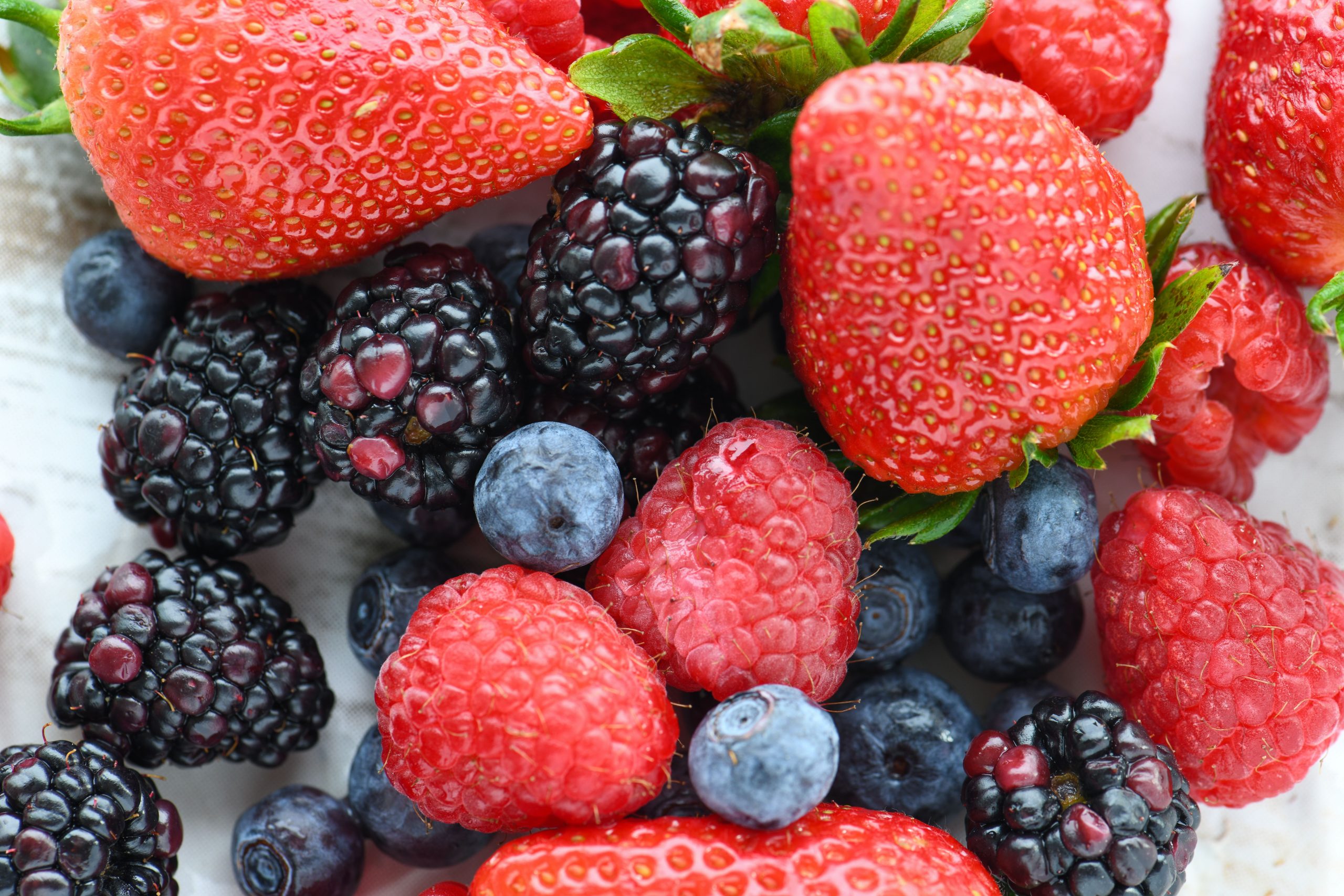
Looking to boost your health and live longer? Incorporating antioxidant-rich berries and fruits into your diet is a delicious and effective way to combat oxidative stress and enhance longevity. These vibrant foods not only taste amazing but also come packed with vitamins and minerals that support overall wellness.
In this article, we’ll explore the top 10 antioxidant-rich berries and fruits that you should consider adding to your diet. Each one is a powerhouse of nutrients that contributes to a longer, healthier life!
1. Blueberries – Best for Brain Health
Blueberries are often hailed as a superfood due to their high levels of antioxidants, particularly anthocyanins, which have been shown to support cognitive function and memory retention.
Key Features:
- High in vitamins C and K
- Supports heart health
- Low in calories
Pros:
- Diverse culinary uses (smoothies, salads, snacks)
- Promotes improved mental health
- Easy to find and buy fresh or frozen
Cons:
- Can be pricey when not in season
- Some may find them too sweet
2. Acai Berries – Best for Anti-Aging
Acai berries are renowned for their high antioxidant content, particularly anthocyanins, which help combat aging by fighting free radicals in the body.
Key Features:
- Rich in omega fatty acids
- Promotes skin health
- Supports a healthy metabolism
Pros:
- Great addition to smoothies and bowls
- Boosts energy levels
- Contains healthy fats
Cons:
- Often available in frozen or powdered forms
- More expensive compared to other fruits
3. Raspberries – Best for Weight Management
Raspberries are low in calories but high in fiber and antioxidants, making them perfect for weight management and overall health.
Key Features:
- High in dietary fiber
- Contains vitamins C and E
- Supports heart and digestive health
Pros:
- Enhances weight loss efforts
- Versatile for desserts and savory dishes
- Rich flavor with low sugar content
Cons:
- Sensitive and can spoil quickly
- Can be difficult to find fresh
4. Strawberries – Best for Immune Support
Strawberries are packed with vitamin C and powerful antioxidants that aid in strengthening the immune system and reducing inflammation.
Key Features:
- High in vitamin C and manganese
- Rich in folate
- Excellent source of antioxidants
Pros:
- Widely available and easy to find
- Multi-purpose ingredient for desserts and salads
- Support overall heart health
Cons:
- Can be contaminated with pesticides
- Sensitivity to mold
5. Blackberries – Best for Digestive Health
Blackberries are not only delicious but also extremely high in fiber, supporting digestive health while simultaneously providing a rich source of antioxidants.
Key Features:
- High in fiber
- Contains vitamins C and K
- Supports oral health
Pros:
- Great for snacking or adding to breakfasts
- Help maintain digestive regularity
- Promote healthy skin
Cons:
- May not be as widely available
- Can be pricey when out of season
6. Pomegranates – Best for Heart Health
Pomegranates are not only flavorful but are also recognized for their heart-protective properties, thanks largely to their antioxidants that prevent plaque buildup in arteries.
Key Features:
- Rich in polyphenols
- Supports blood circulation
- Helps lower blood pressure
Pros:
- Offers unique flavor and texture
- Can be enjoyed as juice, seeds, or in dishes
- Promotes overall cardiovascular health
Cons:
- Time-consuming to extract seeds
- Can be messy to eat
7. Cherries – Best for Recovery
Cherries contain high levels of antioxidants and anti-inflammatory compounds, making them excellent for muscle recovery after exercise.
Key Features:
- Rich in vitamins A and C
- Contain melatonin for better sleep
- Good source of potassium
Pros:
- Can aid in post-workout recovery
- Delicious on their own or in recipes
- Supports restful sleep
Cons:
- Seasonal availability
- Can be expensive when out of season
8. Grapes – Best for Eye Health
Grapes are loaded with antioxidants, particularly resveratrol, which has shown to help maintain good eye health and cognitive function.
Key Features:
- Rich in vitamins C and K
- Low in calories
- Support cardiovascular health
Pros:
- Convenient for snacking
- Can be enjoyed fresh or dried (raisins)
- Helps with hydration
Cons:
- Some varieties contain added sugars
- Perishable and can spoil quickly
9. Kiwi – Best for Digestive Health
Kiwi contains a high volume of vitamin C, fiber, and antioxidants, making it a fantastic fruit for digestive health and boosting the immune system.
Key Features:
- Rich in vitamin C and E
- High fiber content
- Contains actinidin for digestion
Pros:
- Supports digestion and regularity
- Can be eaten fresh or in salads
- Unique sweet and tart flavor
Cons:
- Can be hard to find in some regions
- May cause allergic reactions in some individuals
10. Goji Berries – Best for Immune Function
Goji berries are nutrient-rich fruits that can enhance immune function and increase energy levels, thanks to their high antioxidant and vitamin content.
Key Features:
- High levels of vitamin A
- Loaded with antioxidants
- Supports eye health
Pros:
- Can be eaten raw or dried
- Easy to add to smoothies or oatmeal
- Promotes healthy skin and eyes
Cons:
- May be pricey compared to other berries
- Less common in standard grocery stores
How to Choose the Best Antioxidant-Rich Fruits
When selecting antioxidant-rich fruits, consider freshness, seasonality, and sourcing. Opt for organic whenever possible to avoid pesticides and maximize health benefits. Incorporating a variety of colors in your diet will ensure a wider range of antioxidants and nutrients. Pay attention to the specific health benefits of each fruit to match your nutritional needs.
#Berries #Antioxidants #HealthyLiving #Nutrition #Superfoods #Longevity #Wellness #FruitPower