
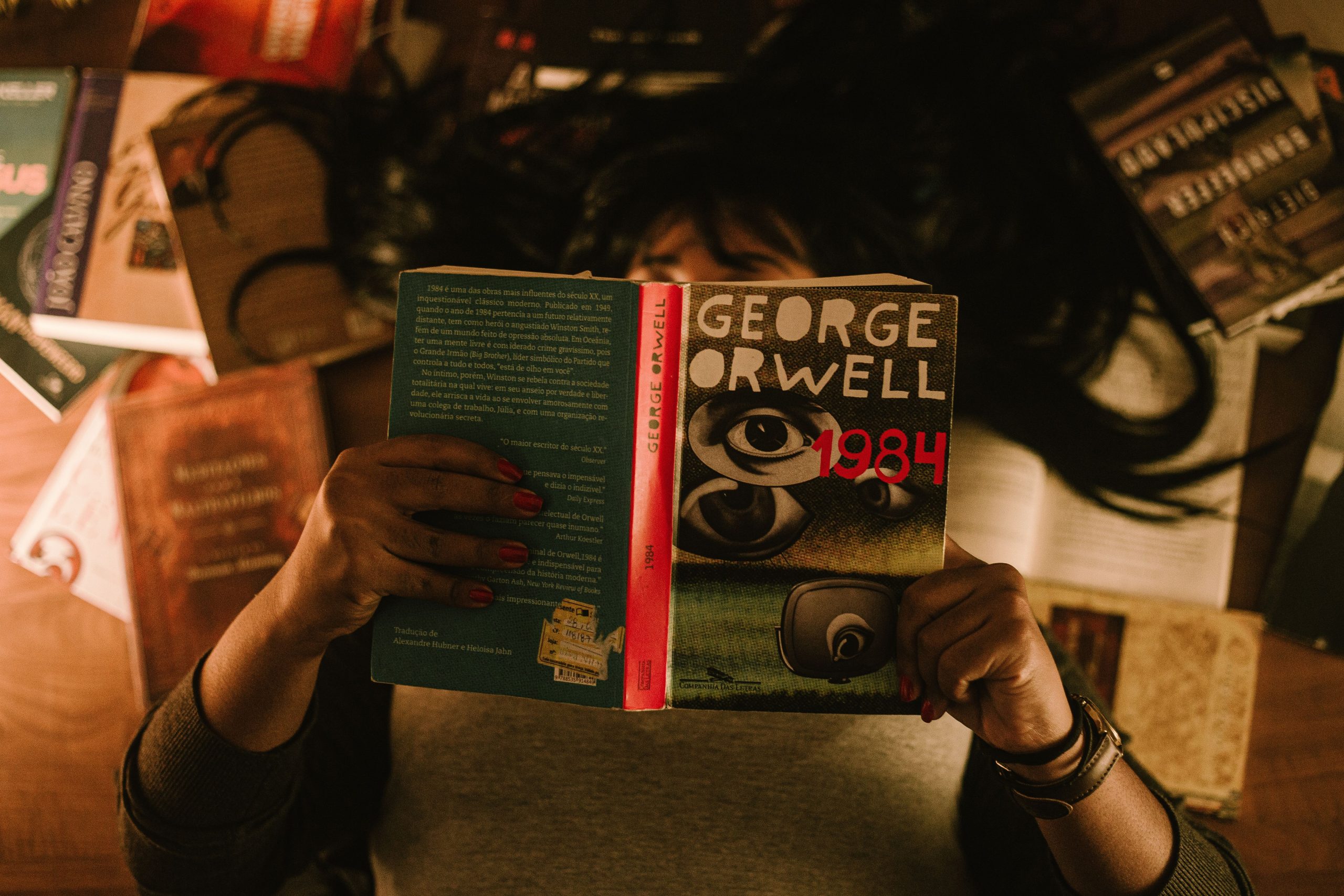
Dystopian novels have a unique ability to reflect the darkest corners of humanity and the potential consequences of unchecked governmental power. These gripping tales not only entertain but also serve as cautionary reminders of the fragility of freedom. If you’re looking for eye-opening reads that dissect societal control and totalitarianism, you’ve come to the right place!
In this list, we’ll explore eight powerful novels that vividly illustrate the threats posed by oppressive regimes. Each book captivates readers while provoking important questions about governance, liberty, and morality in a world where authoritarianism reigns.
1. 1984 by George Orwell – Best for Understanding Surveillance Culture
George Orwell’s classic is perhaps the most influential dystopian novel of all time. Set in a totalitarian society governed by Big Brother, it offers a chilling exploration of surveillance, censorship, and the manipulation of truth.
Key Features:
- Groundbreaking exploration of totalitarianism.
- Iconic concepts such as “Newspeak” and “doublethink.”
- The moral implications of free will versus control.
Pros:
- Timeless and insightful commentary on power.
- Engaging and thought-provoking narrative.
- Richly developed world and characters.
Cons:
- Dark themes may not be suitable for all readers.
- Some may find the pacing slow.
2. The Handmaid’s Tale by Margaret Atwood – Best for Exploring Gender Oppression
This powerful novel imagines a future in which women’s rights have been stripped away in a theocratic regime. Atwood’s haunting narrative serves as both a warning and a critique of the potential for regression in gender equality.
Key Features:
- Richly drawn female characters with complex roles.
- Insightful commentary on religious extremism.
- A chilling look at the loss of autonomy.
Pros:
- Striking and persuasive prose.
- Timely relevance to contemporary issues.
- Evocative and immersive world-building.
Cons:
- Some may find the themes distressing.
- Requires readers’ emotional investment.
3. Brave New World by Aldous Huxley – Best for Examining Consumerism and Conformity
Aldous Huxley’s futuristic society portrays a world driven by consumerism and artificial happiness at the expense of individuality. The novel critiques the sacrifices made for stability and pleasure in a technologically advanced world.
Key Features:
- Thought-provoking discussions on technology and humanity.
- Explores themes of happiness and the cost of contentment.
- Foresight into modern societal issues.
Pros:
- Witty and engaging storytelling.
- Presents a unique perspective on utopian ideals.
- Richly layered themes.
Cons:
- Some readers may find it cynical.
- Requires thoughtful contemplation.
4. Fahrenheit 451 by Ray Bradbury – Best for Advocating for Intellectual Freedom
In Bradbury’s revered novel, firemen burn books to suppress dissent and maintain conformity. Through its narrative, the book champions the importance of literature and critical thought in a world that discourages individuality.
Key Features:
- Compelling critique of censorship and anti-intellectualism.
- Explores the dangers of apathy and ignorance.
- Evocative symbolism and themes of rebirth.
Pros:
- Powerful and poetic language.
- Timely message about the value of education.
- Engaging plot with memorable characters.
Cons:
- The concept may feel dated to some.
- Can be heavy-handed in its themes.
5. The Giver by Lois Lowry – Best for Reflecting on Memory and Choice
This poignant novel describes a society that has eliminated pain by erasing memories. Through the eyes of Jonas, who becomes the Receiver of Memory, readers explore the significance of experiences and emotions in a controlled world.
Key Features:
- Unique exploration of memory and its absence.
- A narrative that questions the value of sameness.
- A deep emotional resonance.
Pros:
- Accessible for younger and older audiences.
- Thought-provoking themes.
- Memorable and touching character arcs.
Cons:
- Some readers may find it simplistic.
- The ending can feel abrupt or ambiguous.
6. We by Yevgeny Zamyatin – Best for Early Dystopian Visions
Considered one of the first dystopian novels, Zamyatin presents a future where individual desires are suppressed for the collective good. It serves as a precursor to many modern dystopian works, providing an insightful critique of state control.
Key Features:
- Inventive narrative structure and style.
- A deep critique of utopianism and collectivism.
- Early look at totalitarianism themes.
Pros:
- Influential in shaping the dystopian genre.
- Intriguing plot twists and character development.
- Thought-provoking exploration of freedom.
Cons:
- May feel dated to modern readers.
- The prose can be challenging at times.
7. The Hunger Games by Suzanne Collins – Best for Action-Packed Dystopia
This thrilling series introduces readers to a dystopian world where children are selected to compete in a brutal televised games. Collins weaves a story rich with social commentary on class struggles and the fight against oppressive governments.
Key Features:
- Fast-paced and engaging storyline.
- Heroic journey of self-discovery and rebellion.
- Critical examination of media and spectacle.
Pros:
- Accessible and appealing to a younger audience.
- Memorable characters and relationships.
- Well-constructed plot twists.
Cons:
- Some may find the love triangle cliché.
- Requires suspension of disbelief in certain plot points.
8. The Road by Cormac McCarthy – Best for Post-Apocalyptic Dystopia
In this haunting tale, McCarthy presents a desolate world where survivors face an unforgiving landscape and moral dilemmas. Through the journey of a father and son, the novel explores themes of hope amidst despair and the essence of humanity.
Key Features:
- Stark and beautiful prose.
- Powerful themes of love and survival.
- Reflection on the human condition.
Pros:
- Profound emotional depth.
- Evocative imagery and atmosphere.
- Intense focus on relationships.
Cons:
- Writing style may be polarizing for readers.
- Can be grim and bleak in tone.
How to Choose the Right Dystopian Novel for You
When selecting a dystopian novel, consider what themes resonate with you. Are you interested in gender issues, technology’s influence, or the struggle for individuality? Additionally, think about your reading preferences—whether you enjoy fast-paced action, deep philosophical discussions, or heart-wrenching narratives. Each of these novels offers a unique lens through which to examine society, so pick one that intrigues you the most!
#DystopianNovels #Totalitarianism #BookRecommendations #LiteratureLovers #ReadToInspire #FreedomAndControl #ModernClassics #ThoughtProvokingReads