
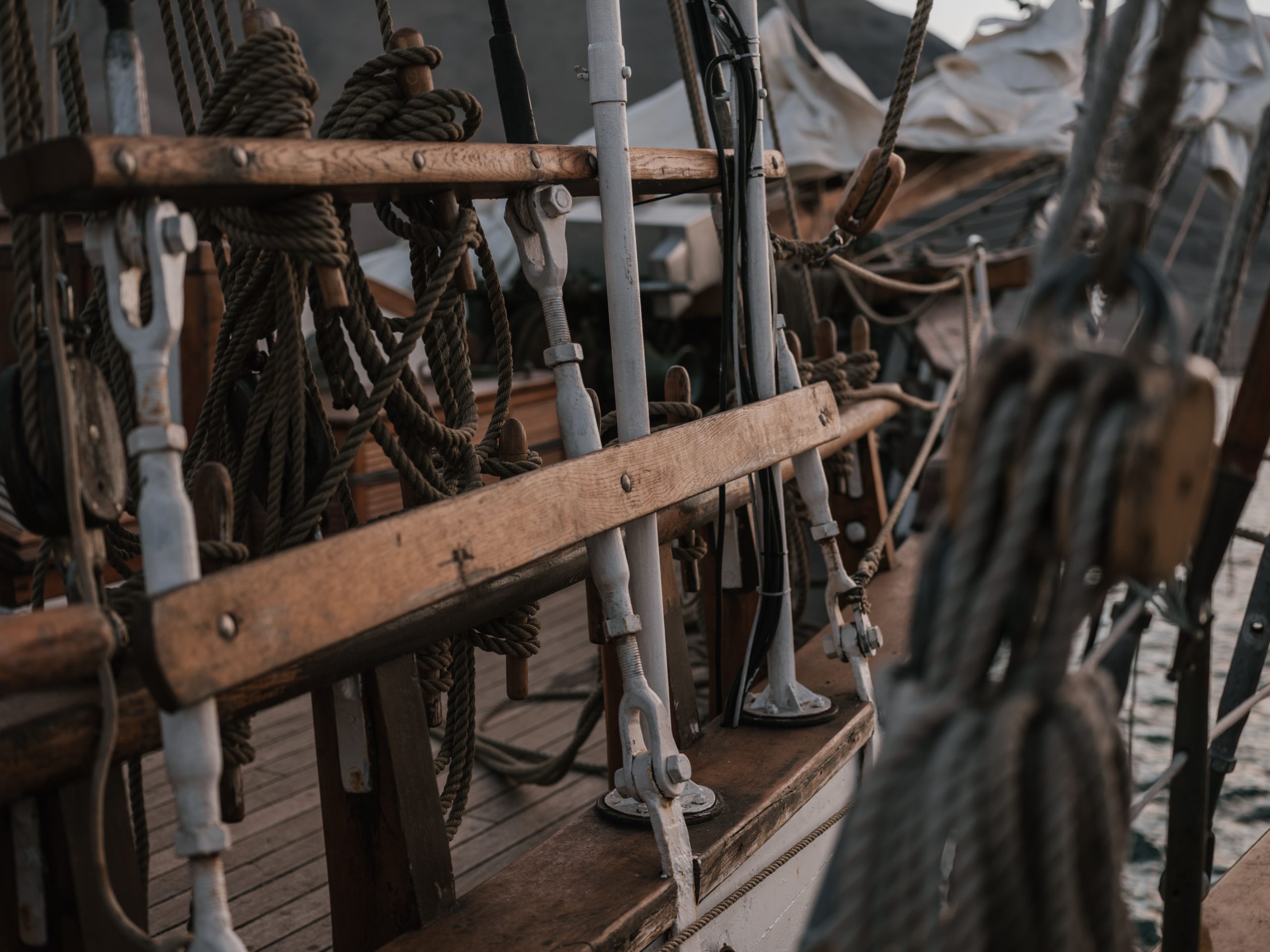
If you have a thirst for adventure that only the crashing waves and salty sea breeze can satisfy, you’re in the right place! Dive into these thrilling tales featuring wooden sailing ships that will transport you to a world of daring explorations and nautical escapades.
Each of these classic sea adventure novels captures the essence of maritime life and the struggles of sailors facing the vast unknown. Let’s set sail on a literary journey through time with these unforgettable reads!
1. Moby-Dick by Herman Melville – Best For Epic Pursuits
This legendary novel chronicles Captain Ahab’s obsessive quest to hunt the elusive white whale, Moby Dick. It’s a profound exploration of obsession, revenge, and the human spirit, making it a must-read for any sea adventure enthusiast.
Key Features:
- Rich symbolism and complex characters
- Detailed depictions of whaling life
- Philosophical themes intertwined with adventure
Pros:
- Timeless literary masterpiece
- Engaging narrative style
- In-depth exploration of human emotions
Cons:
- Lengthy and sometimes dense prose
- May require patience for modern readers
2. Treasure Island by Robert Louis Stevenson – Best For Young Adventurers
Stevenson’s classic tale of pirates and hidden treasure is a staple in adventure literature. Follow young Jim Hawkins as he embarks on a dangerous voyage filled with intrigue and betrayal.
Key Features:
- Iconic characters like Long John Silver
- Exciting treasure map adventure
- Themes of bravery and adventure
Pros:
- Perfect for readers of all ages
- Easy-to-follow plot
- Captivating writing style
Cons:
- Simplistic compared to modern novels
- Less depth in character development
3. The Old Man and the Sea by Ernest Hemingway – Best For Solitary Struggles
This Pulitzer Prize-winning novella tells the story of an old fisherman battling both the sea and a giant marlin. Hemingway’s elegant prose creates a beautiful, poignant narrative about perseverance and human dignity.
Key Features:
- Concise prose with profound themes
- Exploration of man vs. nature
- Symbolic reflections on life and struggle
Pros:
- Short yet impactful read
- Deeply philosophical insights
- Beautifully crafted language
Cons:
- May feel slow for some readers
- Limited characters and setting
4. The Count of Monte Cristo by Alexandre Dumas – Best For Revenge Seekers
This epic novel follows Edmond Dantès as he transforms from a wrongly imprisoned sailor to a wealthy count, seeking vengeance against those who wronged him. It’s a tale of adventure, betrayal, and redemption.
Key Features:
- Intricate plot with multiple twists
- Rich historical backdrop
- Exploration of justice and morality
Pros:
- Captivating storyline
- Well-developed characters
- Engaging pace
Cons:
- Lengthy, can be cumbersome
- Complex historical references
5. The Sea-Wolf by Jack London – Best For Survival Stories
This gripping tale of survival follows the story of a literary critic, Humphrey van Weyden, who is captured by a brutal sea captain. London’s vivid descriptions of life at sea provide a thrilling backdrop for themes of power and dominance.
Key Features:
- Intense character dynamics
- Exploration of survival instincts
- Philosophical reflections on society
Pros:
- Thought-provoking themes
- Fast-paced adventure
- Engaging character study
Cons:
- Dark themes may not be for everyone
- Slow beginning for some readers
6. The Timeless Land by Paul Auster – Best For Historical Adventures
Set in the early days of Australian colonization, this novel follows the lives of characters navigating unfamiliar territories aboard wooden ships. Auster’s storytelling brings history and adventure alive in a beautifully crafted narrative.
Key Features:
- Descriptive prose brings settings to life
- Rich historical context
- Exploration of culture clash
Pros:
- Unique historical perspective
- Engaging and immersive storytelling
- Thought-provoking character interactions
Cons:
- May lack action for some readers
- Complex character arcs can be challenging
7. Robinson Crusoe by Daniel Defoe – Best For Isolation Adventures
Defoe’s classic chronicles the trials of Robinson Crusoe, a man shipwrecked on a deserted island. It’s a remarkable tale of survival, self-sufficiency, and the spirit of adventure.
Key Features:
- Insightful reflections on civilization
- Unique insights into human resilience
- Richly descriptive settings
Pros:
- Foundation for many adventure novels
- Engaging self-discovery narrative
- Relatable themes of loneliness
Cons:
- Language can feel archaic
- May be slow for modern readers
8. Shogun by James Clavell – Best For Epic Historical Journeys
This expansive tale follows John Blackthorne, an English navigator lost in Japan during feudal times. Clavell’s interwoven themes of culture, conflict, and love offer readers a sweeping adventure on the high seas.
Key Features:
- In-depth cultural exploration
- Memorable characters and relationships
- Richly detailed historical backdrop
Pros:
- Compelling story arcs
- Well-researched historical details
- Immersive writing style
Cons:
- Extremely lengthy read
- Complex narrative structure
How to Choose the Right Sea Adventure Novel
When picking a classic sea adventure novel, consider what appeals to you most. Are you drawn to epic pursuits or stories of survival? Start with a shorter read like “Treasure Island” if you’re new to the genre or dive into the depth of “Moby-Dick” for a more intricate experience. Explore characters, themes, and settings that resonate with your reading preferences to truly immerse yourself in the adventure!
#SeaAdventure #ClassicNovels #BookRecommendations #WoodenShips #NauticalLiterature #LiteraryClassics #BookLovers #ReadingList