
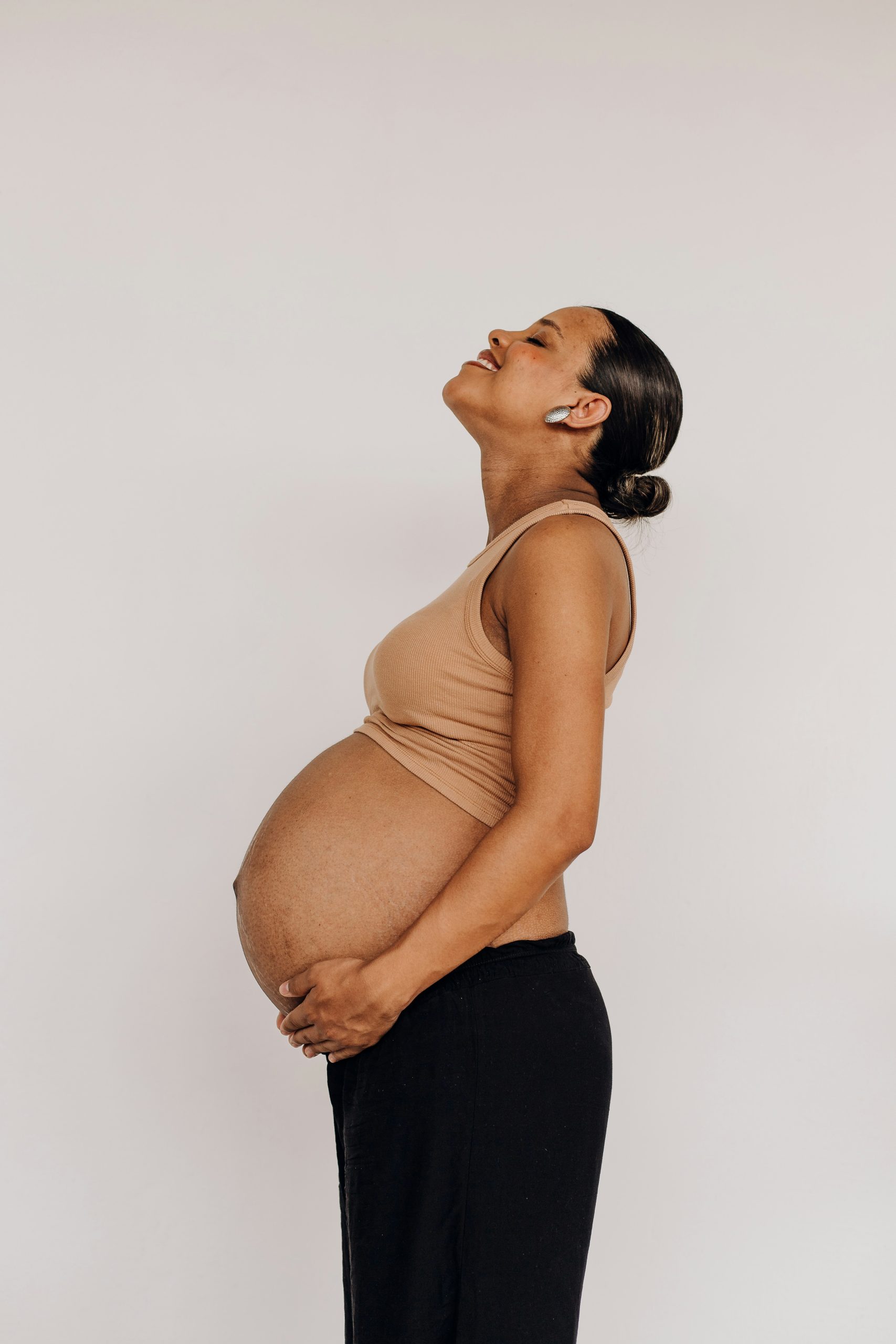
Preparing for labor and delivery can be both exciting and daunting. Mindful breathing practices can help you stay calm and focused as you approach this life-changing moment. Discover how these techniques can ease your anxiety and promote relaxation during labor.
In this article, we’ll explore seven essential mindful breathing practices that will empower you on your journey to motherhood. Each method is designed to equip you with tools to manage pain and enhance your overall experience during labor and delivery.
1. Diaphragmatic Breathing – Best for Deep Relaxation
Diaphragmatic breathing involves using your diaphragm to take deep, full breaths. This technique promotes a sense of calm and helps reduce tension, making it a valuable tool during labor.
Key Features:
- Focuses on deep breaths to enhance oxygen intake.
- Promotes relaxation by engaging the diaphragm.
- Can be practiced anywhere, anytime for instant calm.
Pros:
- Increases oxygen flow to both mother and baby.
- Reduces feelings of anxiety and stress.
- Easy to learn and apply in any setting.
Cons:
- May take practice to master.
- Not always effective for everyone in intense situations.
2. 4-7-8 Breathing – Best for Stress Relief
The 4-7-8 breathing technique is a simple pattern that can help you manage stress. By controlling your breath, you can cultivate a sense of tranquility just when you need it most.
Key Features:
- Involves inhaling for 4 seconds, holding for 7, and exhaling for 8.
- Helps calm the nervous system.
- Can be introduced at any stage of labor for relief.
Pros:
- Effective in reducing anxiety leading up to labor.
- Promotes a relaxed state of mind.
- Short and easy to perform.
Cons:
- May cause lightheadedness if not practiced properly.
- Hard to remember in the heat of the moment.
3. Visualization Breathing – Best for Focus and Positivity
Combining breathing techniques with visualization can enhance relaxation and keep your mind focused. Imagine a peaceful scene as you breathe to create a positive mental space.
Key Features:
- Multisensory approach engaging visualization.
- Focuses on positive imagery and reassurance.
- Can be tailored to personal experiences or feelings.
Pros:
- Boosts mental resilience during labor.
- Helps alleviate fear through positive reinforcement.
- Deepens the relaxation response.
Cons:
- Might be difficult to maintain focus in stressful situations.
- Requires practice to find an effective visualization.
4. Progressive Muscle Relaxation – Best for Tension Release
Progressive muscle relaxation involves tensing and then relaxing muscle groups sequentially. This practice helps to release tension and enhances awareness of bodily sensations, aligning your breath with physical relaxation.
Key Features:
- Provides a physical and psychological release of tension.
- Enhances body awareness during labor.
- Can be combined with breathing exercises.
Pros:
- Effectively reduces stress and discomfort.
- Improves mind-body connection.
- Can distract from labor pains.
Cons:
- Time-consuming to practice thoroughly.
- Requires a quiet space to concentrate.
5. Mindful Breathing with Affirmations – Best for Empowerment
This technique combines calming breaths with positive affirmations. By repeating encouraging phrases while practicing mindful breathing, you can foster a strong, confident mindset.
Key Features:
- Involves both breath and positive self-talk.
- Can be customized to your personal affirmations.
- Promotes self-empowerment and confidence.
Pros:
- Strengthens a positive mindset for labor.
- Reduces feelings of fear through affirmation.
- Encourages a focus on strength and capability.
Cons:
- May not resonate with all individuals.
- Requires practice to ensure effectiveness.
6. Alternate Nostril Breathing – Best for Balance and Calm
Alternate nostril breathing is a yogic practice that balances both hemispheres of the brain. This technique can promote emotional stability and reduce stress during labor.
Key Features:
- Balances energy and promotes mental clarity.
- Involves inhalation and exhalation through alternating nostrils.
- Cultivates mindfulness and a sense of calm.
Pros:
- Enhances concentration and focus.
- Deeply relaxing and stress-reducing.
- Easy to incorporate into practice.
Cons:
- Might feel awkward or uncomfortable at first.
- Requires practice to become proficient.
7. Box Breathing – Best for Grounding and Centering
Box breathing involves breathing in a structured pattern: inhale, hold, exhale, and hold, each for four counts. This rhythmic practice can help ground you in the present moment.
Key Features:
- Structured approach to breath control.
- Promotes focus and grounding during intense moments.
- Instant calming effect through rhythmic breathing.
Pros:
- Easy to remember and execute.
- Helps calm nerves quickly.
- Provides a sense of control over breath and anxiety.
Cons:
- May not provide relief for everyone.
- Could cause discomfort if not done correctly.
How to Choose the Right Technique for You
When selecting a mindful breathing practice for labor, consider what you find most calming and effective. Experiment with different methods in advance, giving yourself time to master them before your delivery date. Remember that each technique can be tailored to suit your personal comfort and preferences.
#MindfulBreathing #LaborAndDelivery #PregnancyPreparation #BreathingTechniques #Childbirth #PregnancyWellness #MaternitySupport